The Reversal of ‘Chinese-Style’: How Korean Gen Z is Rethinking Chinese Brands

By Tracy Shim

We recently encountered a surprising trend while conducting consumer research on confectionery. A Chinese candy called Xiao-ke-ao-ra was gaining significant traction among younger consumers in Korea. Chinese products, especially food items, used to face strong skepticism regarding quality and safety. Realizing that younger Korean consumers no longer carry these rigid preconceptions marked a notable shift.

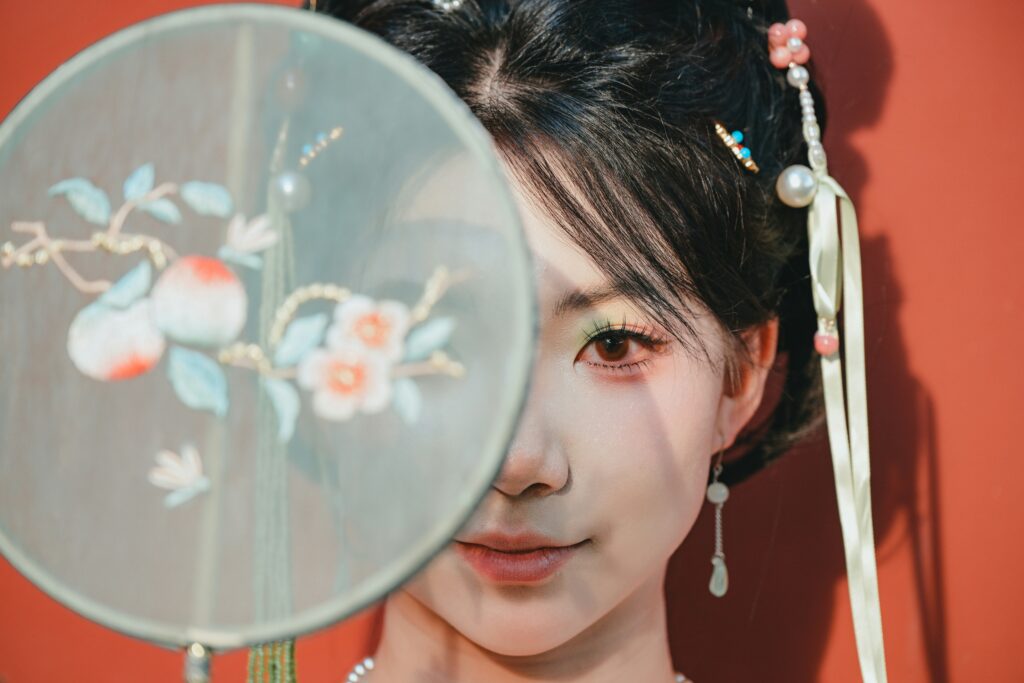
There was a time when the label “Chinese-style” or Jung-ti, a Korean slang term used to describe a distinct Chinese aesthetic, was largely synonymous with being tacky or poorly made. It carried negative connotations, implying an unrefined excess or questionable craftsmanship. Recently, however, the perception of this phrase among Gen Z has transformed dramatically. As the Chinamaxxing trend spreads across TikTok and Instagram, Jung-ti is increasingly embraced as a bold and eccentric style with a unique, offbeat charm that feels unexpectedly cool. Xiao-ke-ao-ra itself gained popularity after going viral through short-form videos on social media. Indeed, big data analysis reported in the media shows that mentions of Jung-ti jumped by more than 250% over the past year, with positive sentiment exceeding 70%. Words like “pretty” and “eye-catching” are now frequently attached to it.
Much like how traditional Korean culture was once dismissed as cheap tourist souvenirs before being reinterpreted into a modern trend, how did this once-shunned Chinese aesthetic find its way into the preferences of today’s youth? Dismissing this as a fleeting fad overlooks a fundamental shift in how Gen Z consumes culture. This phenomenon is driven by a combination of evolving media environments, idol fandom culture, and a pragmatic attitude that strictly separates culture from politics.

What first broke down this cultural barrier was short-form media. On fast-paced feeds like Instagram Reels or TikTok, where content must capture attention within 15 seconds, the vivid colors, dramatic embroidered puffer jackets, and Douyin makeup style characteristic of Chinese trends function not as tackiness, but as high-impact visuals. As the term Jung-ti turned into a playful meme, the psychological threshold dropped even further. Phrases like “You look so Jung-ti today” are no longer insults meant to mock, but playful and affectionate teasing shared between friends over an exaggerated outfit. By treating the exaggerated style as a game rather than forcing it to look classy, initial resistance naturally faded away.
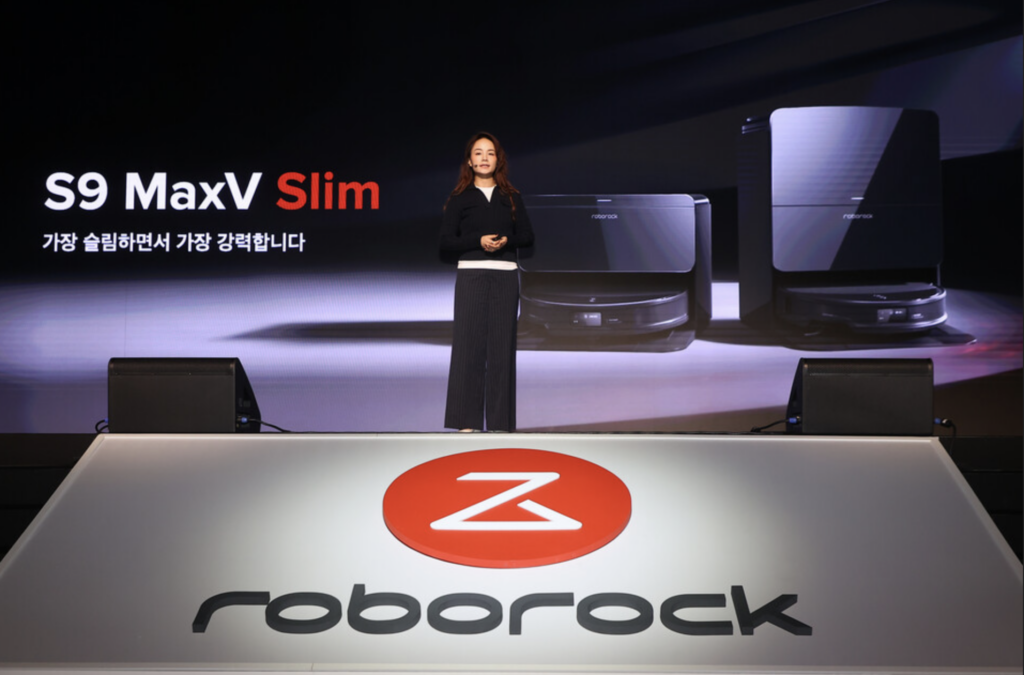
In the past, Korean consumers teased Xiaomi products as “mistakes of the mainland” or dismissed Dyson knockoffs as mere “Chysons,” reflecting a widespread belief that while Chinese goods were cheap, their quality could not be trusted. Today, however, Roborock has established itself as a market leader in robot vacuums, while DJI action cameras and Laifen hair dryers are recognized as high-end, well-made devices through word of mouth. Although less known in Korea, luxury leather brand Songmont and high-end jewelry label Laopu Gold are now seen as sophisticated brands worth checking out when visiting Shanghai. As these positive experiences accumulate, younger generations are coming to view Chinese brands not merely as budget options, but as emerging players in global lifestyle trends.

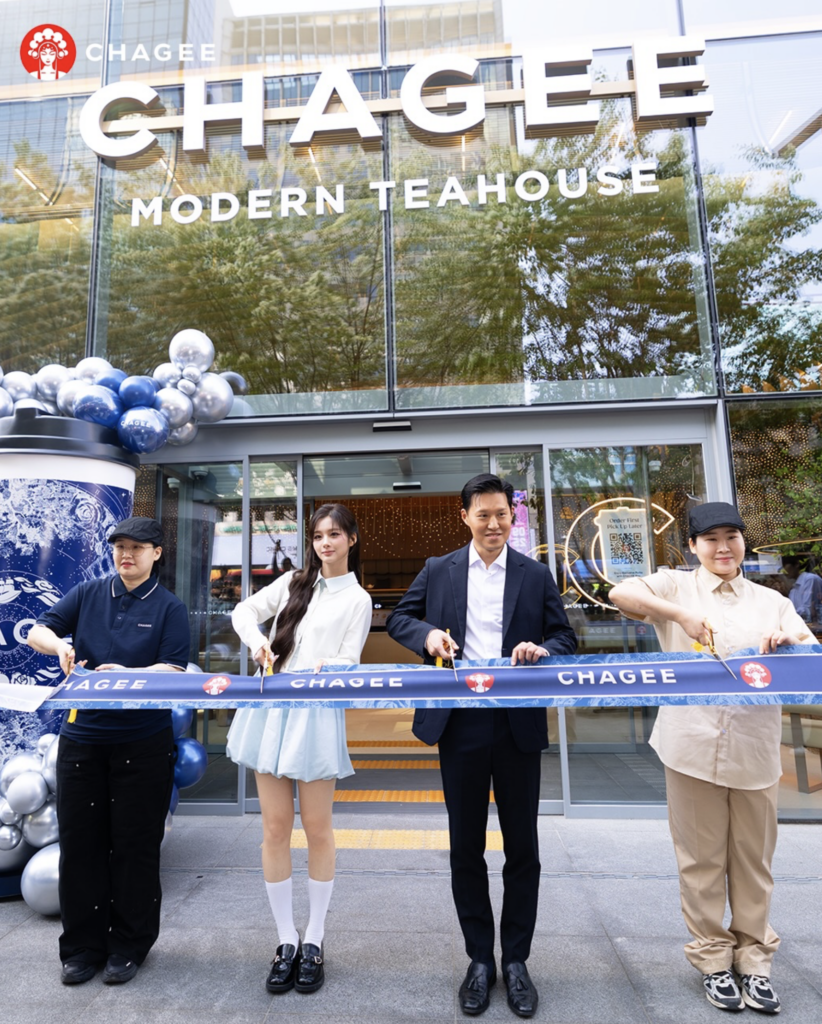
This shift extends beyond fashion and tech into everyday lifestyle habits. Food culture, which has become deeply embedded in Gen Z routines, tells a similar story. Activities like joining short-form video challenges for Haidilao’s table-side dances, or buying drinks from CHAGEE (a Chinese tea brand that went viral after IVE’s Jang Wonyoung featured it on Instagram), are no longer viewed as niche exotic experiences. Consuming intense, vibrant food culture as a form of social entertainment has played a key role in easing resistance to Jung-ti aesthetics.
Global members of K-pop groups have served as crucial bridges in translating these quirky trends into desirable tastes. High-profile Chinese idols like Zhang Hao of ZEROBASEONE and Ningning of aespa act as natural messengers, introducing authentic fashion, beauty, and lifestyle elements from their home country to Gen Z audiences. Exposed to these styles through the polished lens of the K-pop system, young consumers respond to talent and star power rather than national origins or political narratives. Styles worn by well-liked figures are transformed from alien concepts into aspirational trends worth trying.

Adding to this momentum is the direct appeal of Chinese entertainment content. Younger audiences increasingly enjoy the grand visuals of high-budget Xianxia fantasy and period dramas, while consuming micro-dramas with episodes lasting just one or two minutes during brief moments of downtime. Chinese historical series on Netflix have built dedicated fan bases for Chinese actors through grand scale and unfamiliar narratives rarely seen in Korean dramas. This raises the intriguing possibility that a China Wave could eventually compete with the global reach of the Korean Wave. Crucially, this reflects a complete separation of cultural consumption from political perceptions. For today’s consumers, the criteria are simple: “Is it entertaining, and is it visually engaging?” When content delivers immediate fun, national prejudices fade into the background, leaving only pure personal preference.

Ultimately, the growing popularity of Jung-ti does not necessarily signify a rise in political or national affinity toward China. Rather, it is the result of short-form media lowering barriers, K-pop idols bridging cultural gaps, and engaging content delivering straightforward entertainment. Instead of mocking unfamiliar styles, Gen Z approaches them with flexibility. Their ability to find fun in the unfamiliar, spot coolness in the exaggerated, and use difference as a tool for self-expression has fundamentally redefined what Jung-ti means today.

Key Takeaways

  1. Gen Z embraces the unfamiliar by reframing it as playful memes

Rather than forcing awkward or exaggerated styles into conventional luxury, consuming them through memes naturally dilutes resistance. Gen Z reinterprets aesthetics outside the mainstream as playful, self-expressive, and cool.

  1. Direct entertainment value and relatable messengers override preconceptions

Immediate visual appeal and familiar intermediaries, such as well-liked idols and influencers, open consumer minds far more effectively than rigid preconceptions. Brands should focus on clear, immediate charm rather than overly complex narratives.

  1. Lower cultural barriers expand rapidly across the entire lifestyle

A cultural threshold lowered in one format, such as short-form video, quickly spills over into daily habits like food culture and entertainment content. Brands must look beyond simple product sales and integrate into the lifestyle playgrounds of Gen Z.

Pursuit of Meaning in Vintage Shops

By Daniel Kim

In Seoul, Hongdae is a vibrant hub of artistic culture, youth-oriented consumption, and international tourism. Just a couple of miles away, however, the bustling crowds fall away, giving way to the tranquil residential backstreets of Yeonhui-dong. As you stroll through this aging neighborhood, you discover the quiet pleasure of uncovering hidden gems—small cafés, design stores, and vintage shops housed in renovated brick homes.

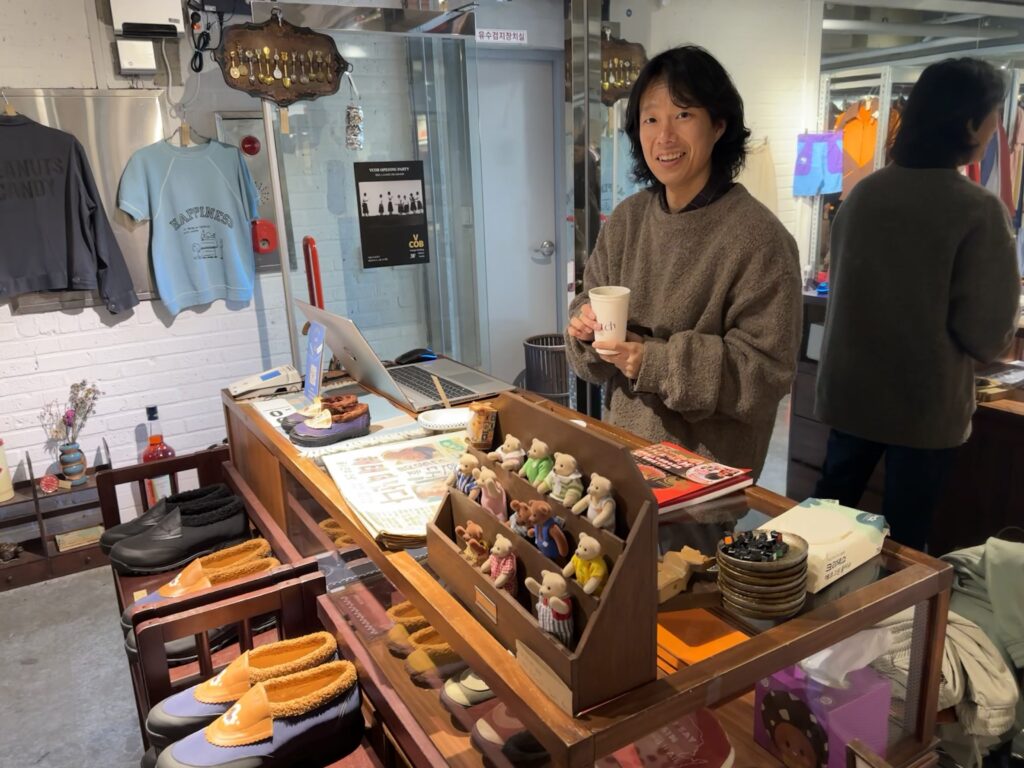
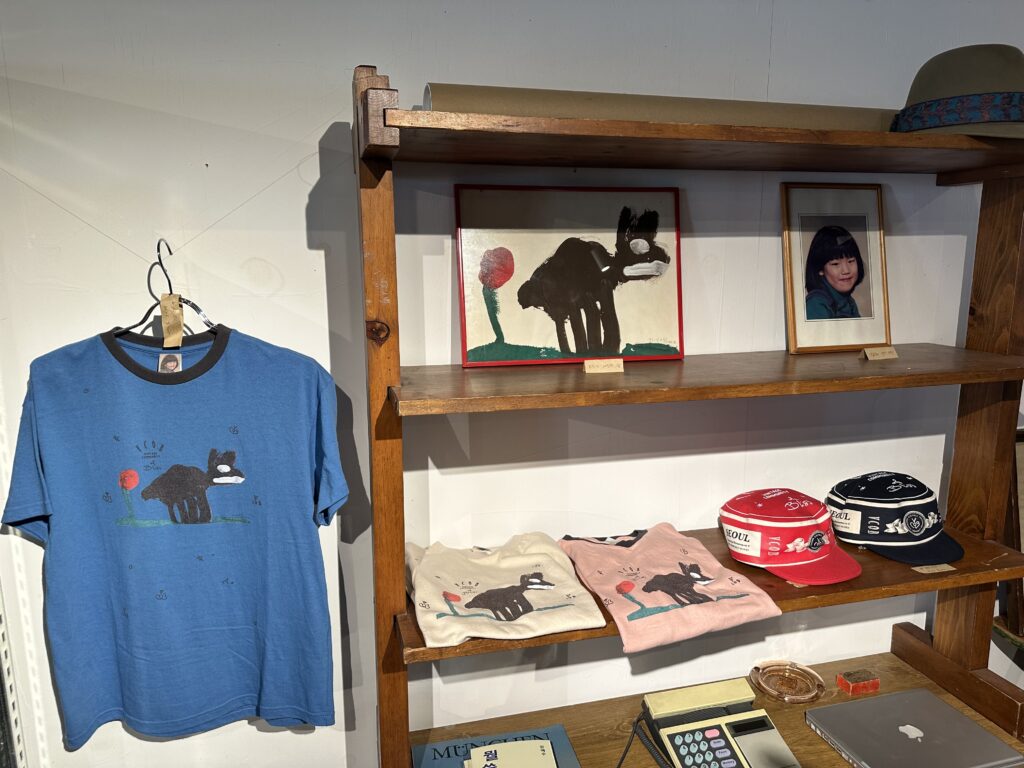
Ki-hoon began his career as a book publisher and opened his vintage shop, Vcob, in Yeonhui-dong last year. He believes that stories are conveyed not only through books, but also through objects such as clothes, shoes, and bags. One example is a T-shirt he designed using a motif from a painting his wife created at the age of four—a piece that has been well received by younger customers. *Vcob: https://www.instagram.com/vcob_official/

“Every day, my shop is filled with chance encounters with walk-in customers, creating new destinies between people and objects,” Ki-hoon says. The connections he builds through conversation have become a key element of the shop’s appeal. Through these exchanges, intriguing objects—such as a hairdresser’s trolley, a bathhouse scrubbing table, or a pair of vintage Keds shoes—guide customers on a journey of storytelling.

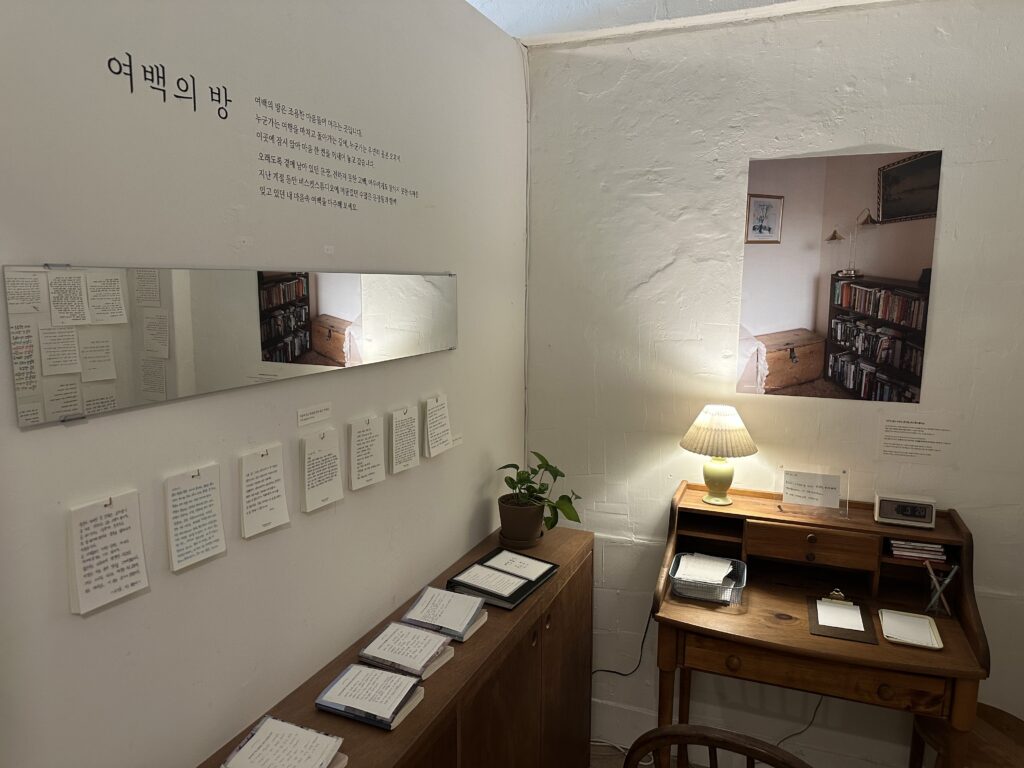
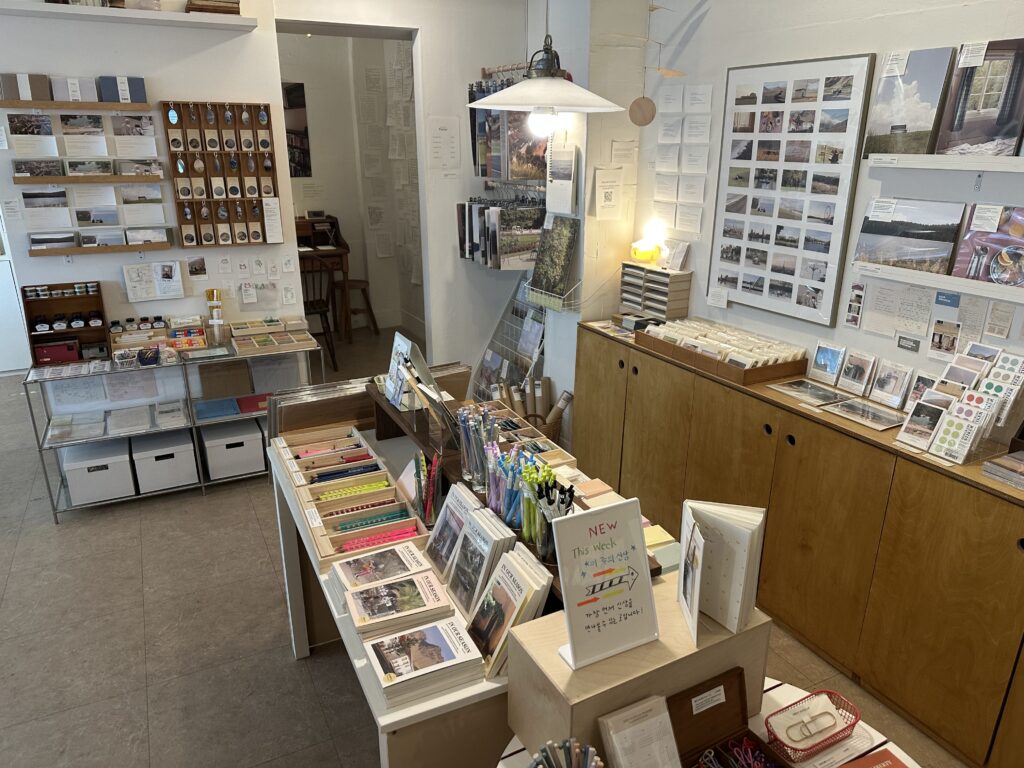
Biscuit Studio is another small shop that resonates with young shoppers seeking meaningful moments as they wander through Yeonhui-dong. Run by a couple, the studio transforms photographs taken during their travels into everyday paper goods—such as notebooks, memo pads, postcards, and key rings. The photographs lining the shop’s walls are imbued with the warmth of family affection. Within the space, they have created “A Room of Emptiness,” where customers are invited to sit quietly at a desk and write down lingering memories or unspoken confessions.

Together, shops such as Vcob and Biscuit Studio demonstrate that value is no longer embedded solely in the object itself, but in the story attached to it. Whether through personal narratives, provenance, or symbolic meaning, objects function as narrative carriers that allow customers to form emotional connections with what they purchase.

Also based in Yeonhui-dong, Jenna supports local vendors as a creative director, organizing pop-up stores and flea markets. According to her analysis, young customers who visit the area tend to be financially stable and are not driven solely by the lowest price. “In Yeonhui-dong, they look for experiences that differ from online shopping. Encountering a unique piece of clothing can feel meaningful, as if shaped by chance or destiny. Even a small object, such as a key ring, can become a valuable souvenir of the day,” Jenna explains.

From this perspective, pop-up stores for global brands must move beyond visibility and scale. To resonate with young consumers, they need to offer opportunities to encounter the brand through small, purchasable items and distinctive, story-driven experiences that invite emotional participation rather than simple transactions.

The small, quiet streets of Yeonhui-dong, though located on the outskirts of Seoul and less widely known than luxury brands or massive shopping malls, hide many treasures where visitors can discover the core value of alternative shopping—seeking new stories and experiences beyond mainstream trends.

Consuming Tradition: How Gen Z Rewrite Korean Cool

By Tracy Shim

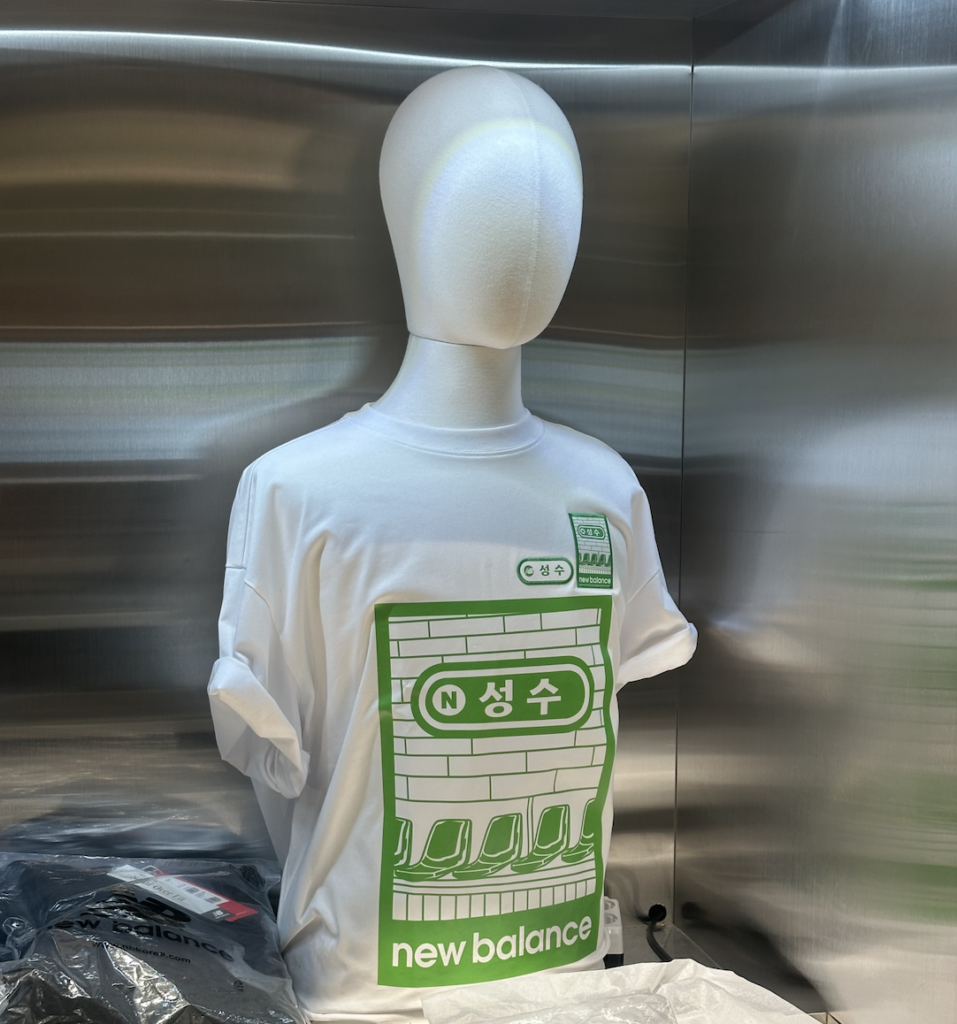
There was a time when anything labeled “Korean” was easily dismissed as old-fashioned or behind the times. Products rooted in traditional design were largely seen as souvenirs for tourists, and a T-shirt with an unfamiliar foreign phrase felt far more stylish than one printed in Hangul, the Korean writing system.

That perception has gradually changed. Hangul typography, reinterpreted as a graphic element rather than a symbol of identity, began appearing naturally in fashion. Accessories incorporating mother-of-pearl or traditional knotting techniques started to gain traction among younger consumers. A similar shift emerged in food culture. Cakes and macarons that once dominated social media feeds slowly gave way to “yakgwa”, a traditional Korean honey cookie, along with other traditional sweets and Korean teas.

Young dessert shop owners play a key role in this transition. Rather than presenting Korean desserts as heritage foods, they reframe these through visuals and atmospheres suited to contemporary media. With restrained sweetness and an understated aesthetic, these desserts proved just as visually compelling on social platforms. This movement gives rise to the term “halmae ipmat,” loosely translated as “grandma taste,” which describes a preference for understated, less sugary flavors. While the phrase literally refers to older generations’ tastes, in practice it reflects an ease with traditional preferences without the stigma of being outdated. In this sense, the term functions as a cultural buffer that lowers the emotional barrier to choosing tradition.

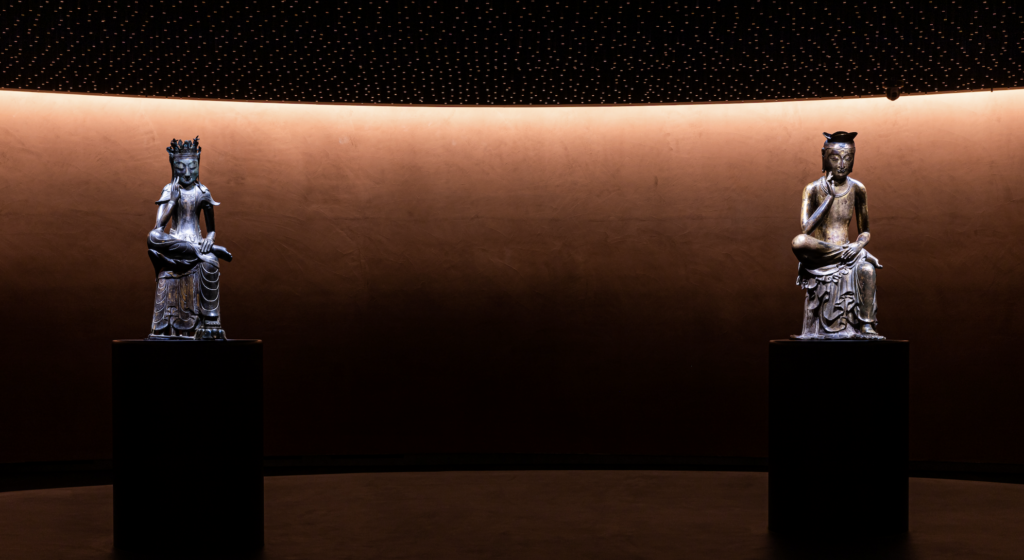
Institutional spaces also contribute to the spread of this sensibility. The National Museum of Korea plays a particularly visible role. In 2021, its exhibition ‘The Room of Quiet Contemplation’ presented only two National Treasure Buddhist statues. Low lighting and a circulation design encouraged visitors to linger. Rather than focusing on explanation, the exhibition emphasized presence and experience. For a generation accustomed to information overload, the absence of excessive interpretation felt refreshing. The space resonated naturally with Gen Z values around mindfulness, wellness, and slow living. It helped reposition the museum from a place of study to a destination people actively wanted to visit.

The Room of Quiet Contemplation ©National Museum of Korea

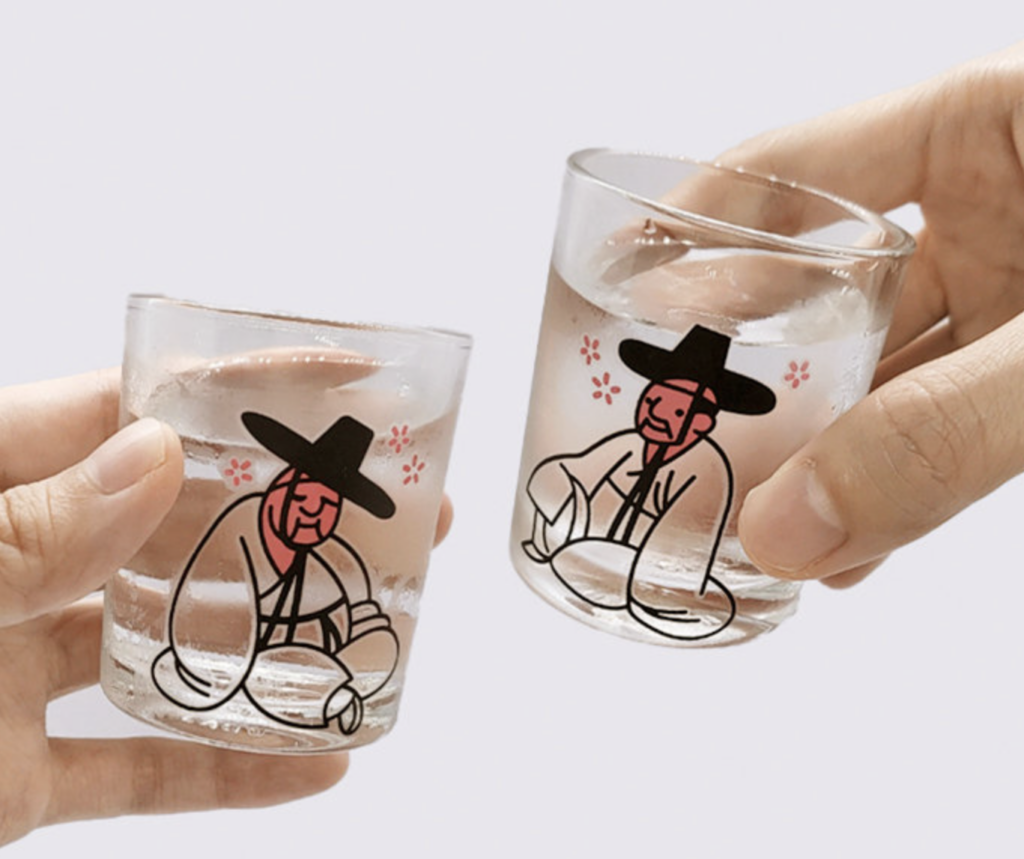
In 2025, the National Museum of Korea recorded approximately 6.5 million visitors, the highest annual figure in its history. Because the museum has maintained free admission for years, detailed demographic breakdowns are limited. That said, multiple qualitative observations suggest a clear rise in younger visitors. This shift was reinforced not only through exhibitions, but also through the museum’s merchandise strategy, officially branded as MU:DS. Products such as heat-reactive soju glasses, where a scholar’s face flushes red when cold liquor is poured, or incense sets shaped like a “buttumak,” a traditional Korean kitchen hearth, became items people lined up to purchase. Even a collaboration with Korea’s national baseball team, featuring traditional patterns on uniforms, resulted in products that sold out almost immediately.

Museum goods: heat-reactive soju glasses © National Museum Foundation of Korea

Then, when does “Korean” stop feeling outdated and begin to register as something young consumers could embrace, and even see as globally relevant? A clear inflection point appears around 2019, when BTS expanded their world tours and the movie ‘Parasite’ won the Palme d’Or at Cannes. Around this time, perceptions of Korean cultural elements began to shift. They were not yet widely labeled as “cool,” but they had become options young consumers could choose without hesitation.

Behind this shift lies the global success of K-pop and K-dramas. What matters is not simply that Korean content is popular overseas, but that this success is gradually internalized within Korea itself. Korean aesthetics and narratives are no longer seen as outputs that need to be adjusted to fit global standards. Instead, they begin to be understood as capable of functioning as global standards per se.

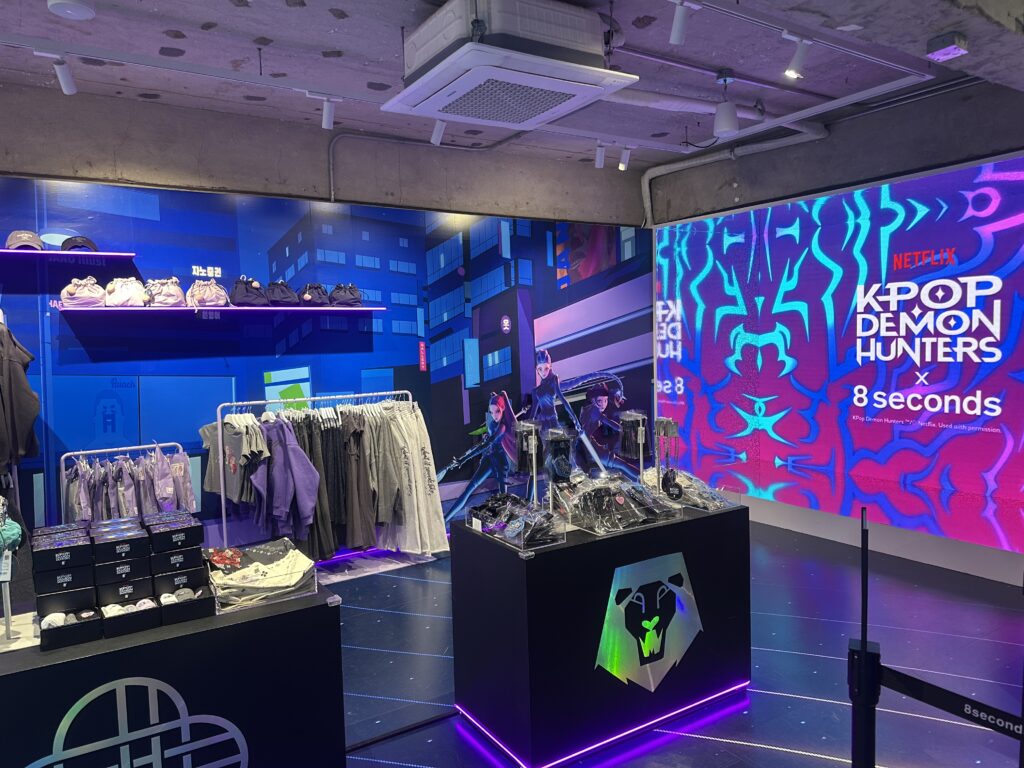
Around 2022, a more noticeable shift in attitude began to take shape among Gen Z. As global aesthetics became increasingly familiar after the pandemic, the pressure to look like a foreign brand or emulate international styles visibly weakened. From this point on, “cool” was no longer defined by proximity to overseas trends. Instead, it came to be understood as a combination of novelty, identity, and narrative context. Korean elements were no longer obstacles to overcome, but resources for differentiation, and younger consumers began expressing them openly rather than masking them. This mindset spread across categories, from food and merchandise to exhibitions and fashion, reinforcing the idea that Korean tradition could resonate not only with younger domestic audiences but also within global cultural contexts. In this context, the global success of K-Pop Demon Hunters in 2025 further amplified this shift.

Preserving tradition is no longer seen as maintaining old forms exactly as they were. Instead, a broader consensus is forming around the idea that tradition survives by being continually translated into the language of its time, without losing its essence. What was once criticized as distortion is now increasingly viewed as a way of sustaining and extending cultural vitality. Tradition, in this sense, is no longer something to be protected as a fixed form. It is a cultural asset that endures only when it is repeatedly appreciated and consumed within everyday life.

Key Takeaways

  1. Tradition should be designed to be consumed, not explained
    When tradition is over-explained or overly emphasized, it tends to feel heavy again. For today’s consumers, tradition resonates most when it is designed to be consumed, rather than explained or justified.
  2. Everyday relevance matters more than reverence
    The most effective way to respect tradition is not by elevating it, but by integrating it into daily choices. Younger audiences want to consume tradition, not study it.
  3. Mimicking global aesthetics is no longer a safe strategy
    Since 2022, overly globalized visuals risk feeling anonymous. Differentiation is now made by how clearly a brand expresses its original character, not by how closely it resembles others.
  4. Let younger generations lead the translation
    Tradition survives when it is reinterpreted by those who actively shape contemporary culture. In many cases, allowing experimentation sustains tradition more effectively than trying to preserve it unchanged.
  5. Tradition must function as a system, not a campaign
    Short-term collaborations or events do not last long. Tradition becomes a real brand asset when it is used consistently across products, spaces, and communication.


Why C-Beauty Is Capturing the Hearts of Korean Gen Z

By Tracy Shim

In South Korea, K-beauty’s focus on healthy, natural skin has shaped a beauty landscape that aligns with the broader fashion trend of “effortless chic.” But now, a new aesthetic sensibility is emerging among Gen Z. Fueled by short form video culture, algorithm-driven discovery, and the pursuit of instant visual impact, this shift signals a fundamental change in how young consumers perceive beauty. At the center of this transformation is C-beauty – Chinese cosmetic brands that are redefining how beauty looks, feels, and circulates on social media.

©INTO YOU Cosmetics

For Korean Gen Z, beauty begins on the screen. Having grown up with smartphones in hand, they express and shape their identities through TikTok, Instagram Reels, and YouTube Shorts. Within these feeds, attention is the main currency, and C-beauty speaks that visual language fluently. On Douyin(抖音), China’s version of TikTok, “Douyin makeup” has become a viral template: sharp contours, long eye lashes, glossy gradients, and a camera-ready glow can transform a face in seconds. As these aesthetics spill over Korean TikTok and Pinterest, they bring a bold, expressive energy that instantly captivates young audiences.

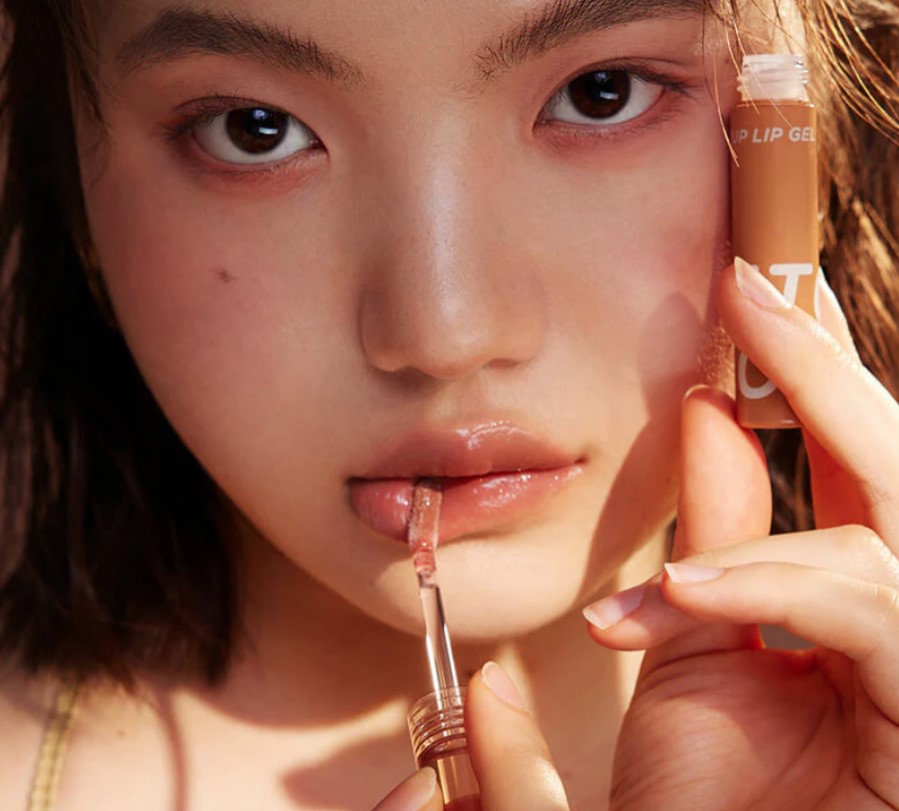
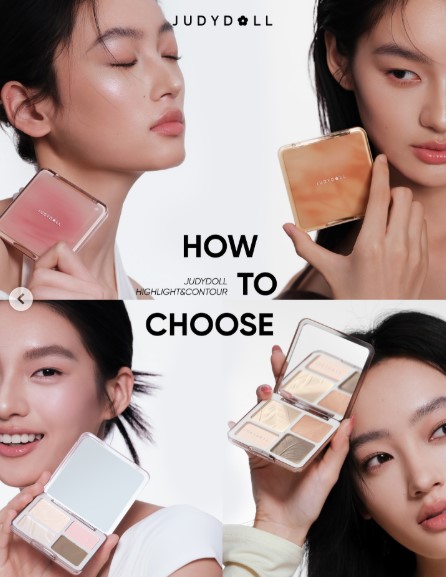
Price accessibility adds another layer of appeal. For students and young professionals balancing style aspirations with financial realities, C-beauty offers freedom to experiment without guilt. Lip muds from brands like ‘Into You’ or vivid palettes from ‘Judydoll’ deliver high-quality colors and textures at a fraction of luxury prices. Social validation amplifies the effect – once a product earns online praise from peers, curiosity quickly turns into trial and purchase. In a generation where recommendations spread faster than ads, authenticity matters more than aspiration.

©Judydoll

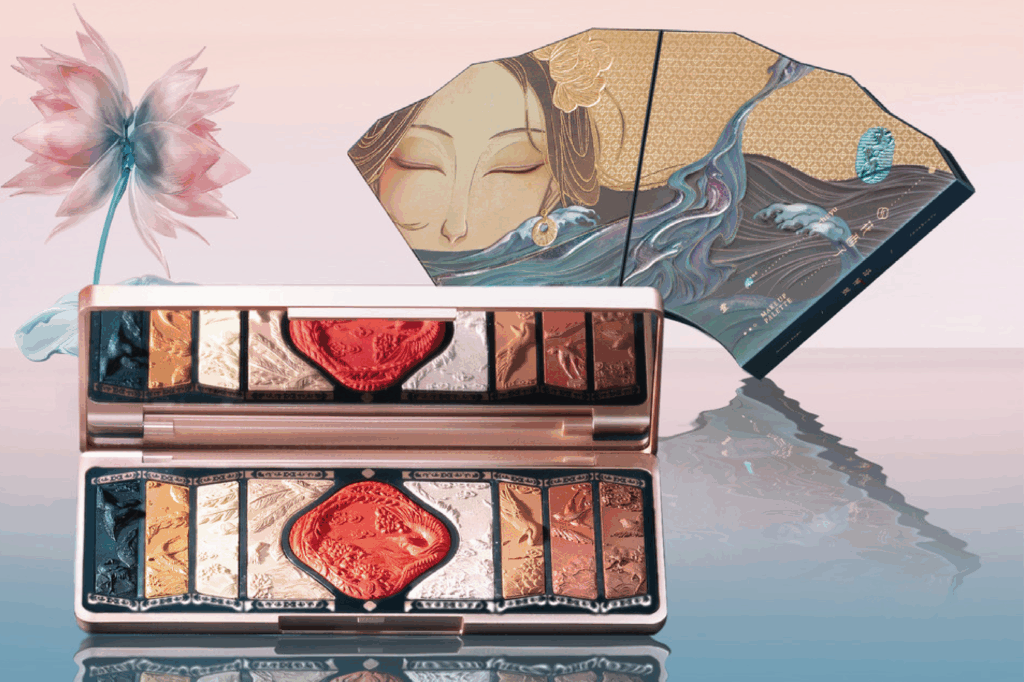
Design is another key factor behind C-beauty’s appeal. Brands such as ‘Florasis’ have perfected the art of cultural storytelling through visual craftsmanship, drawing on motifs from classical Chinese art and architecture to create artistically designed compacts that feel both collectible and expressive. For many young consumers in Korea, these items function as cosmetics and lifestyle objects at once. When packaging itself becomes an act of self-expression, every product naturally becomes content worth sharing.

Of course, C-beauty’s growth hasn’t been without challenges. Some early leaders struggled with brand fatigue and market saturation, showing that viral popularity alone cannot sustain long-term growth. Yet the broader momentum remains strong because it mirrors the rhythm of Gen Z consumption – fast-evolving, visually driven, and emotionally charged.

@Florasis

For global brands observing this shift, the lesson is not just about cosmetics. It is about how a generation builds meaning through what they see, share, and create together. C-beauty’s success in Korea shows that beauty today is not only about looks but also about expression. Gen Z cares more about showing how they feel, and C-beauty understands that naturally.

Sipping into Wellness

By Daniel Kim

In Korea, as in many other countries, traditional sodas such as Coke or Chilsung Cider are losing their appeal among young consumers. Unlike their parents’ generation, they prioritize health and wellness over indulgent pleasure. Many Koreans in their 20s and 30s are already investing in “slow aging” practices, and they evaluate beverages through the lens of healthy ingredients. This shift is partly driven by a renewed focus on nutrition and immunity in the wake of Covid-19, as more young people are incorporating supplements such as probiotics, vitamins, and omega 3 into their daily routines. 

In this vein, zero-sugar sodas are strongly preferred by young consumers. According to the Korea Times, zero-sugar sodas accounted for more than half of all carbonated beverage sales at convenience store chain GS25 in 2024. A notable example is Narangd Cider Zero, which successfully repositioned its once-outdated brand as a healthier “diet” alternative, resonating strongly with younger, health-conscious consumers. 

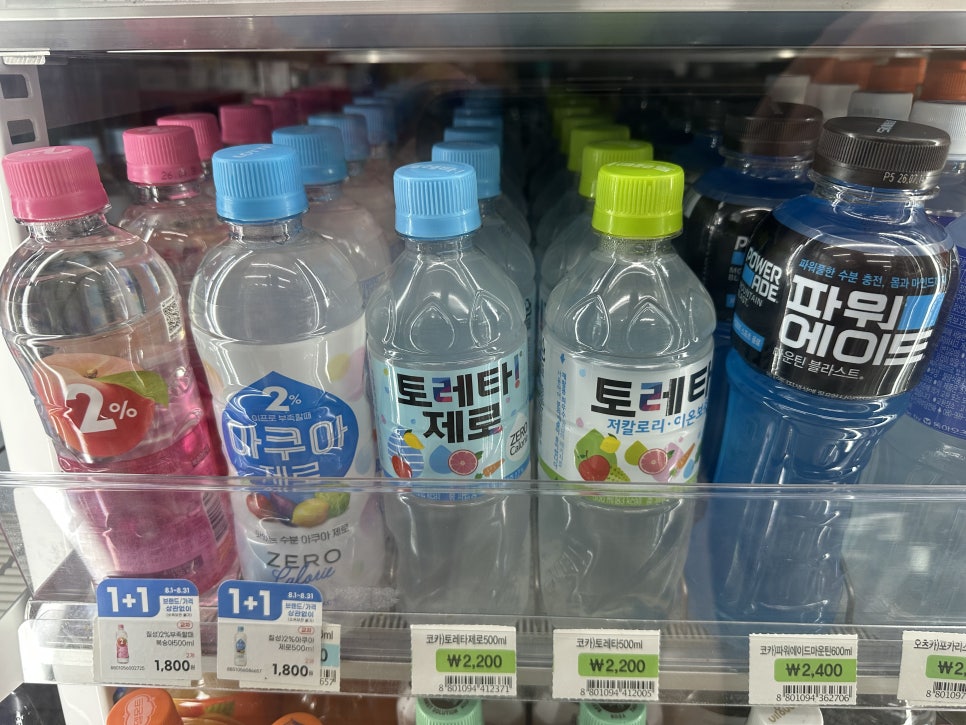
As mainstream players adapt, new entrants are seizing opportunities in untapped segments with innovative marketing targeted at younger consumers. Riding on the recent boom in running and hiking, electrolyte hydration drinks – commonly referred as “ion drinks” in Korea – are emerging as a fast-evolving sector shaped by health trends and shifting consumer demands. For instance, established brands such as Powerade and Gatorade have also introduced zero-sugar variants, underscoring the strength of this consumer shift. 

Coca-Cola’s Toreta is positioning itself against market leader Pocari Sweat by highlighting fruit and vegetable extracts as healthier ingredients, while broadening its appeal from men and sports-driven occasions to women and everyday hydration. Meanwhile, Korean start-up Lingtea has redefined the electrolyte drink category with a more medical and scientific approach. Branded as “drinkable I.V.,” Lingtea is promoted as “doctor-formulated electrolyte drink mix,” and has successfully introduced a powdered format in Korea, differentiating itself with functional nutrition and clinical credibility.  

Young consumers drink not only to quench their thirst, but also to supplement their nutrition, and their expectations are becoming increasingly complex. Trends in functional and healthy beverages continue to evolve—from probiotics and protein to enzymes and collagen. Shoppers tend to prefer zero- or low-sugar options, yet still demand a satisfying taste. At the same time, many are cautious about the potential side effects from artificial sweeteners such as aspartame. They are especially drawn to added value and functionality in beverages – products that can support dieting, improve skin health, promote detoxification, relieve fatigue, enhance sleep quality or even help recover from a hangover.

For these young, health-savvy consumers, plain water is no longer enough; they seek drinks that reflect diverse lifestyle trends and evolving wellness needs.  

K-Fashion Keywords: Sporty Casual and Return of Classics

By Daniel Kim

In Seoul, it’s not just acceptable—but stylish—to wear a sporty mix-and-match outfit even when visiting upscale restaurants or wine bars. The sporty casual trend is booming, especially among MZ Koreans who express their healthy lifestyles through fashion. A good example: trendy early birds attend 7 a.m. “morning coffee club” parties, where they dance sober to music—sometimes right after a jog.

This fashion shift extends to the workplace as well. Formal suits are becoming rare. A neat polo shirt, chino pants, and loafers now qualify as appropriate office attire. Prioritizing work-life balance, many young professionals opt for active yet comfortable clothing, allowing a smooth transition between work, the gym, or a Pilates session during lunch or after hours.

Post-Covid, the conspicuous consumption of luxury brands has clearly declined among the youth. Instead, there’s a growing appreciation for quality and craftsmanship in the trend of old money aesthetics. Brands like Ralph Lauren and Brooks Brothers are being rediscovered by young men. Coach has successfully revamped its bags to appeal to women in their twenties. Meanwhile, many women are embracing a reserved, elegant femininity—known as the Demure look—fueling demand for minimalist luxury labels such as The Row and Lemaire. As a fast fashion brand, Cos is closing the gap with market leader Zara, thanks to the rising popularity of the Demure style.

Luxury Consumption in Korea: Family Strategy for Status Preservation

By Daniel Kim

In Kangnam, a daughter attending a top-tier university often borrows her mother’s classic Chanel bag to show off when meeting friends. When the mother buys a Gucci shirt, she will look for a style that she and her daughter both enjoy, so they can share it.

At the heart of luxury consumption in Korea lies a family’s strong desire to elevate their social status amid growing economic inequality. In fact, Koreans have long been accustomed to competition within a rigidly hierarchical society. From a young age, they strive fiercely to gain admission to prestigious universities. After graduation, they face another round of intense competition to land high-paying jobs at top companies such as Samsung and Hyundai.

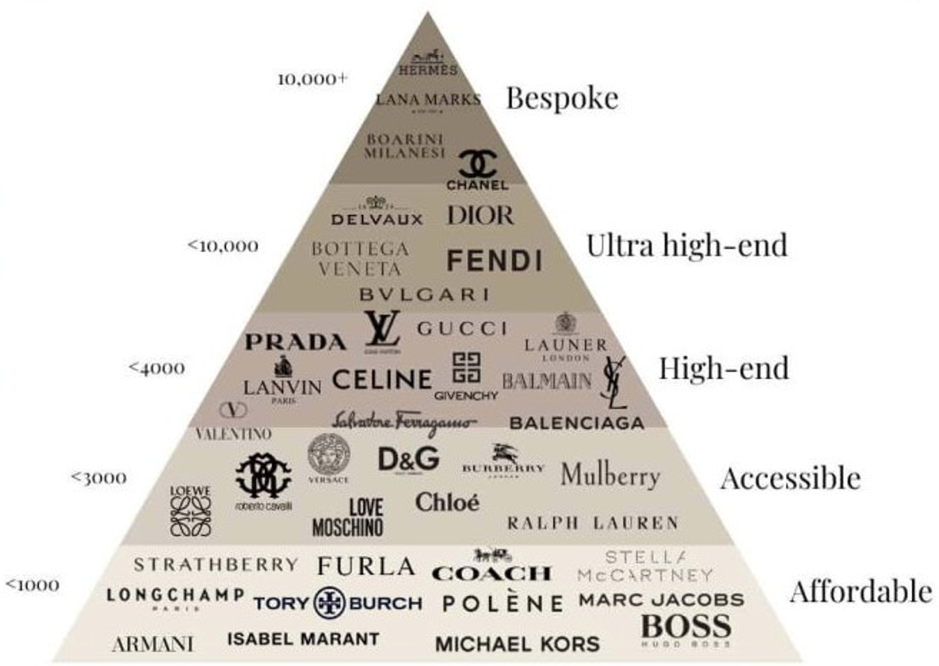
Therefore, luxury consumption in Korea is often driven more by the desire to conform to norms and expectations tied to one’s social status, rather than by a pursuit of individual style. To navigate this landscape effectively, it is essential to comprehend the hierarchical positioning of different brands within the context of ever-changing trends.

For example, a successful engineer at Samsung takes the time to study the heritage and history of luxury brands in order to offer fashion advice to his wife. Rather than shopping for himself, he would be more inclined to invest in luxury items for his wife and daughter, finding a sense of achievement in the way the family is presented to others.

Compared to foreign nations, luxury consumption in Korea serves more as a way of blending into the appropriate status group subtly, rather than standing out through expressive individuality. As a result, overt logo displays are often avoided, while understated patterns and low-key brand codes are favored. For example, the patterned lining under the sleeves of Dior jackets gained popularity because it could be discreetly folded to reveal the brand only when desired.