By Tracy Shim
Even as a single slice of cake in Seoul’s trendiest districts begins to rival the price of a full meal, Gen Z consumers remain undeterred. Their willingness to pay a premium suggests that dessert has migrated from the realm of food to that of fashion. It is no longer about satisfying hunger but about validating one’s taste and aesthetic sensibilities, which is an emergent form of luxury. In an era of visual curation, a specific dessert brand functions as a digital business card that signals one’s trend awareness and social standing on Instagram.
This is a generation that prioritizes the acquisition of experience over mere ownership. The “Bread-grimage” (ppang-ji-sun-rye), which refers to the act of traveling across the country to visit a specific bakery, has become a modern ritual. The journey to an exotic space and the act of documenting a unique dessert is a powerful form of content creation. These visits are not just for eating because they allow individuals to curate a lifestyle and build cultural capital that can be shared and discussed.
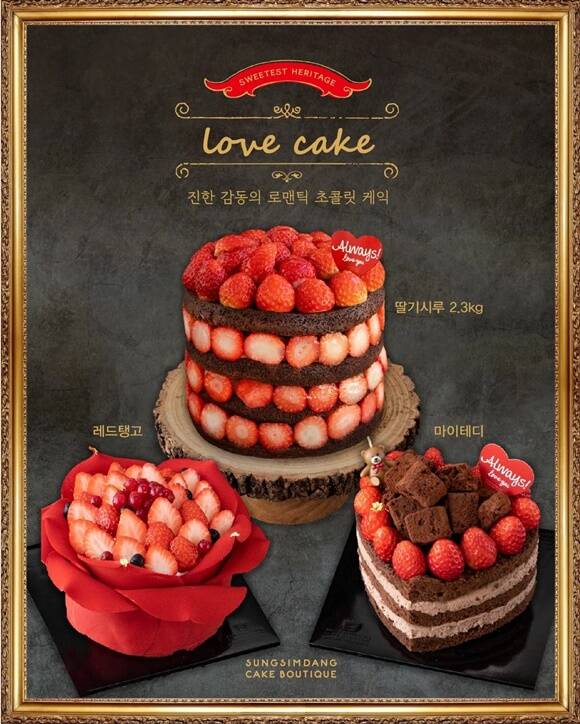
The visual impact is the ultimate currency in this market. Daejeon’s Sungsimdang serves as a perfect case study. While its heritage was built on traditional “Fried Soboro,” its recent nationwide explosion was driven by the “Strawberry Siru” cake. The overwhelming and photogenic visual of strawberries piled high was tailor-made for social media, turning a local bakery item into a viral experience.
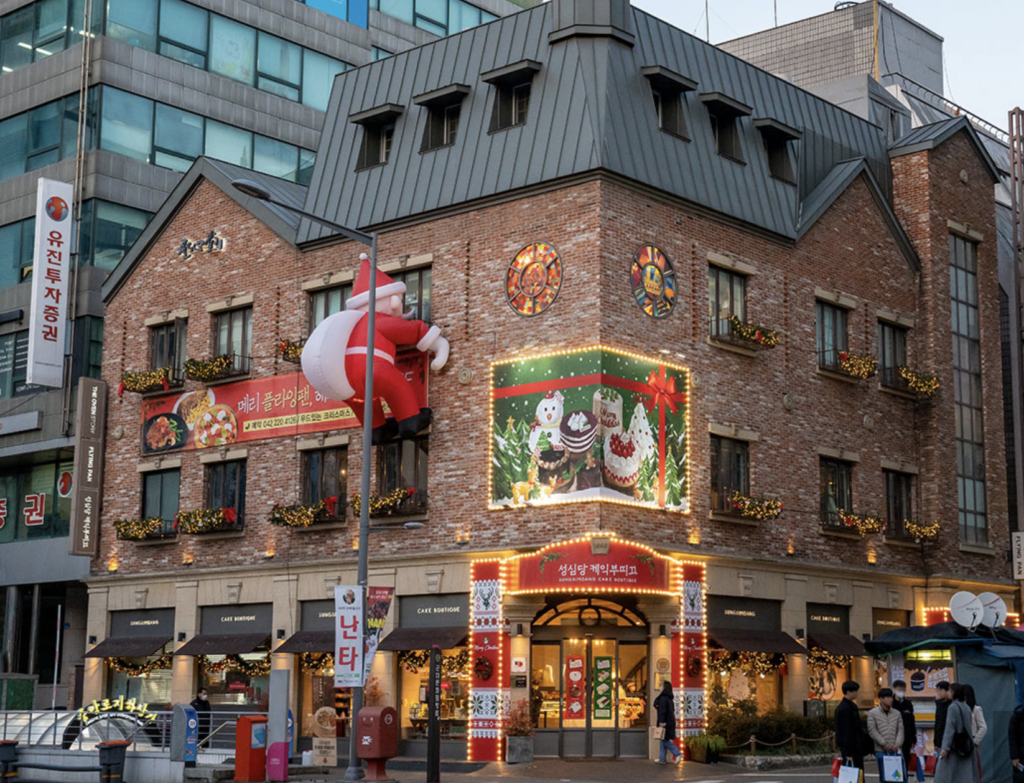
During the Christmas season, customers had to wait in line for more than five hours in the cold streets to purchase Seongsimdang’s “Strawberry Siru” cake, and the very act of successfully buying it after such a long wait became a memorable form of experiential consumption in itself. In addition, while spending little on advertising, Sungsimdang has been generating positive viral brand awareness through donations and contributions to the local community.
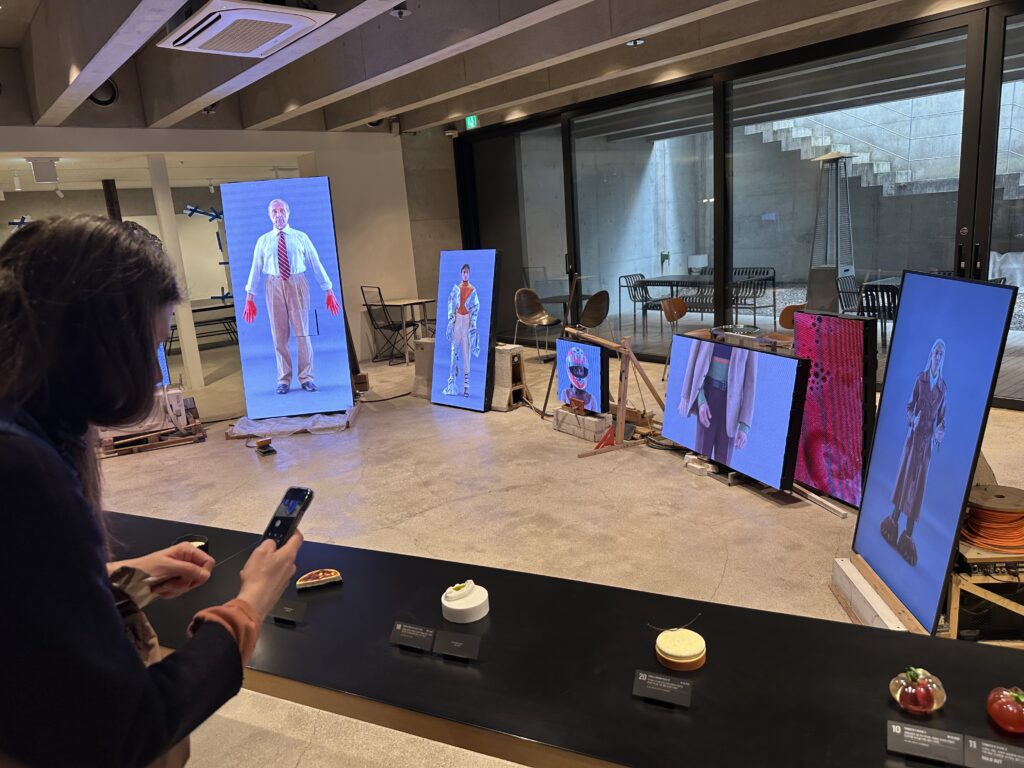
Modern consumers are looking for a complete sensory narrative. They do not just judge the flavor but also consume the architecture, the lighting, and even the persona of the staff. Brands like NUDAKE have mastered this by abandoning traditional bakery tropes in favor of monochromatic and gallery-like spaces where staff move with the measured grace of curators. When the product, the environment, and the service align perfectly, it creates a sense of immersion that transcends a simple transaction. Here the taste itself may be almost meaningless.
Ultimately, indulging in an expensive dessert is an act of high-resolution self-expression. It is a small but calculated investment in one’s personal brand and aesthetic world. Dessert has evolved beyond a mere mealtime appendage to become a powerful fashion statement and the most concrete language through which Gen Z defines who they are.
Key Takeaways
- The Transition from Edible to Expressive: Dessert has been redefined as an identity asset. For Gen Z, a premium dessert is less about calories and more about experience content, which is a visual material used to curate their identity on digital platforms.
- The Power of Holistic Branding: Success in the modern dessert market requires more than just taste because it requires a cohesive sensory world. As seen with NUDAKE, brands that align their visual identity, spatial design, and staff persona create the kind of immersive experiences that foster deep consumer loyalty.
- Designing for the Journey, Not Just the Product: The phenomenon of “Bread-grimage” reflects a broader shift in consumer behavior where bakeries, dessert shops, and cafés become cultural destinations rather than mere retail spaces. For Gen Z, the journey, waiting experience, and social documentation collectively create a sense of participation in an exclusive trend community.