By Daniel Kim
In Seoul, Hongdae is a vibrant hub of artistic culture, youth-oriented consumption, and international tourism. Just a couple of miles away, however, the bustling crowds fall away, giving way to the tranquil residential backstreets of Yeonhui-dong. As you stroll through this aging neighborhood, you discover the quiet pleasure of uncovering hidden gems—small cafés, design stores, and vintage shops housed in renovated brick homes.
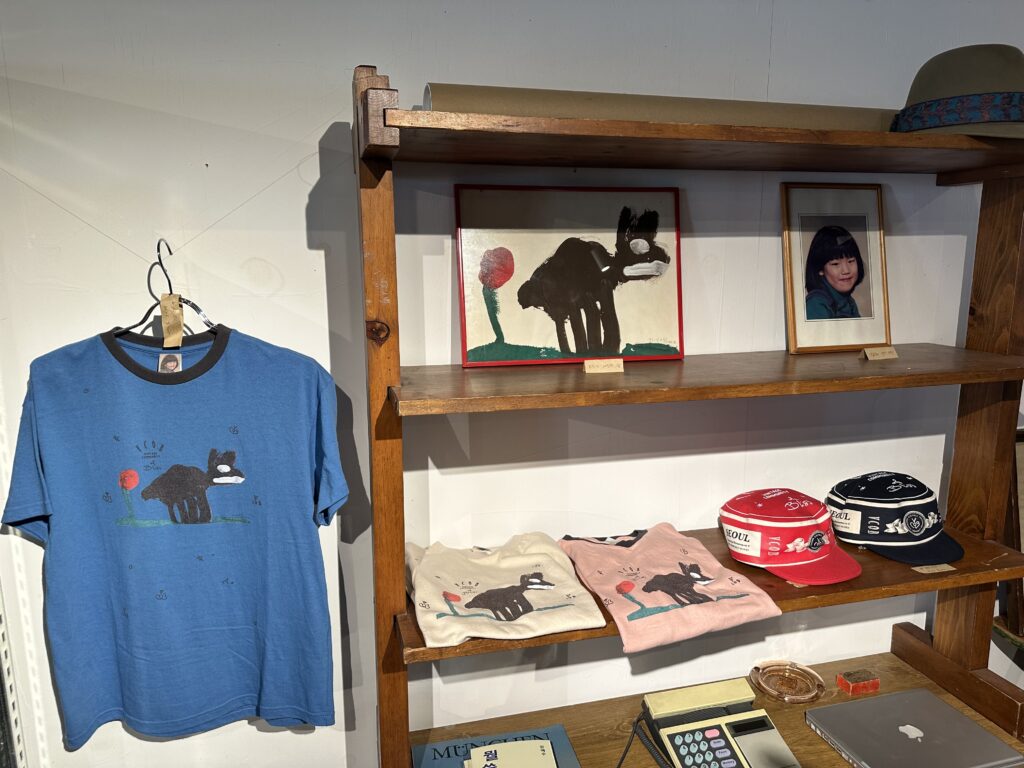
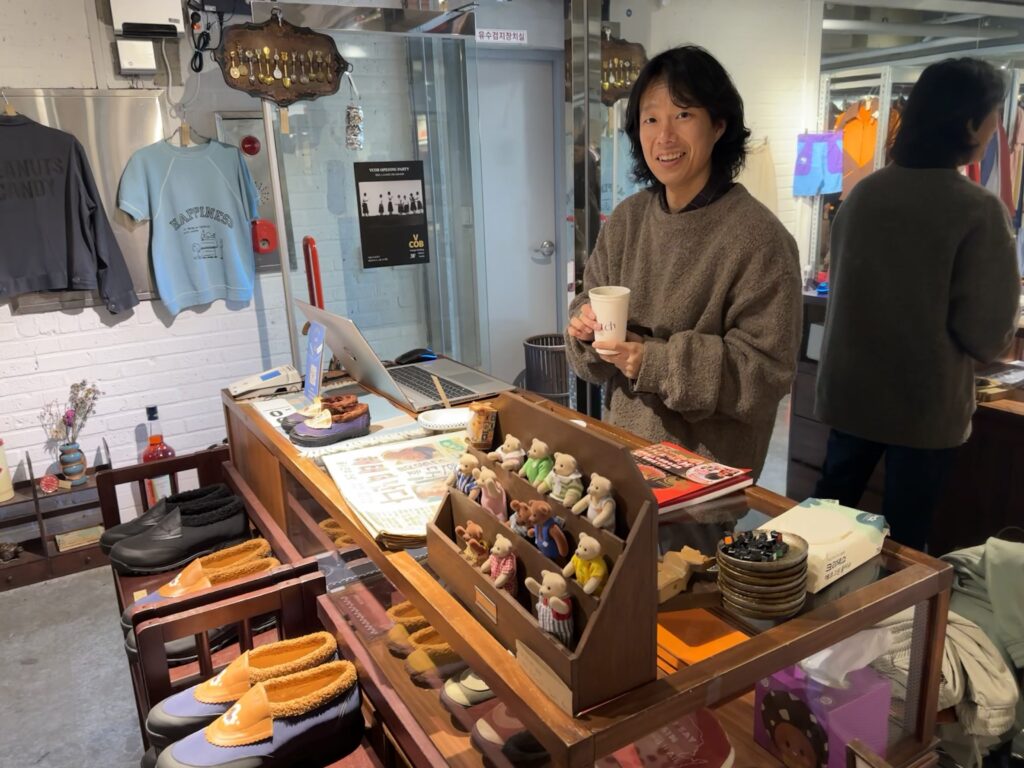
Ki-hoon began his career as a book publisher and opened his vintage shop, Vcob, in Yeonhui-dong last year. He believes that stories are conveyed not only through books, but also through objects such as clothes, shoes, and bags. One example is a T-shirt he designed using a motif from a painting his wife created at the age of four—a piece that has been well received by younger customers. *Vcob: https://www.instagram.com/vcob_official/
“Every day, my shop is filled with chance encounters with walk-in customers, creating new destinies between people and objects,” Ki-hoon says. The connections he builds through conversation have become a key element of the shop’s appeal. Through these exchanges, intriguing objects—such as a hairdresser’s trolley, a bathhouse scrubbing table, or a pair of vintage Keds shoes—guide customers on a journey of storytelling.
Biscuit Studio is another small shop that resonates with young shoppers seeking meaningful moments as they wander through Yeonhui-dong. Run by a couple, the studio transforms photographs taken during their travels into everyday paper goods—such as notebooks, memo pads, postcards, and key rings. The photographs lining the shop’s walls are imbued with the warmth of family affection. Within the space, they have created “A Room of Emptiness,” where customers are invited to sit quietly at a desk and write down lingering memories or unspoken confessions.
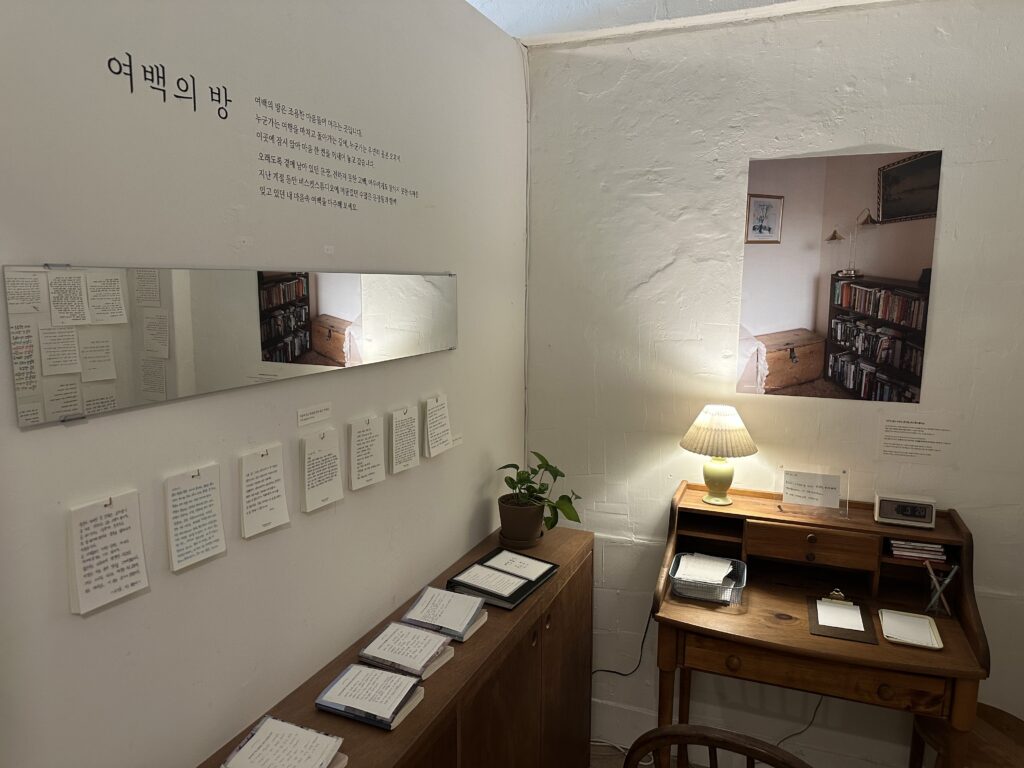
Together, shops such as Vcob and Biscuit Studio demonstrate that value is no longer embedded solely in the object itself, but in the story attached to it. Whether through personal narratives, provenance, or symbolic meaning, objects function as narrative carriers that allow customers to form emotional connections with what they purchase.
Also based in Yeonhui-dong, Jenna supports local vendors as a creative director, organizing pop-up stores and flea markets. According to her analysis, young customers who visit the area tend to be financially stable and are not driven solely by the lowest price. “In Yeonhui-dong, they look for experiences that differ from online shopping. Encountering a unique piece of clothing can feel meaningful, as if shaped by chance or destiny. Even a small object, such as a key ring, can become a valuable souvenir of the day,” Jenna explains.
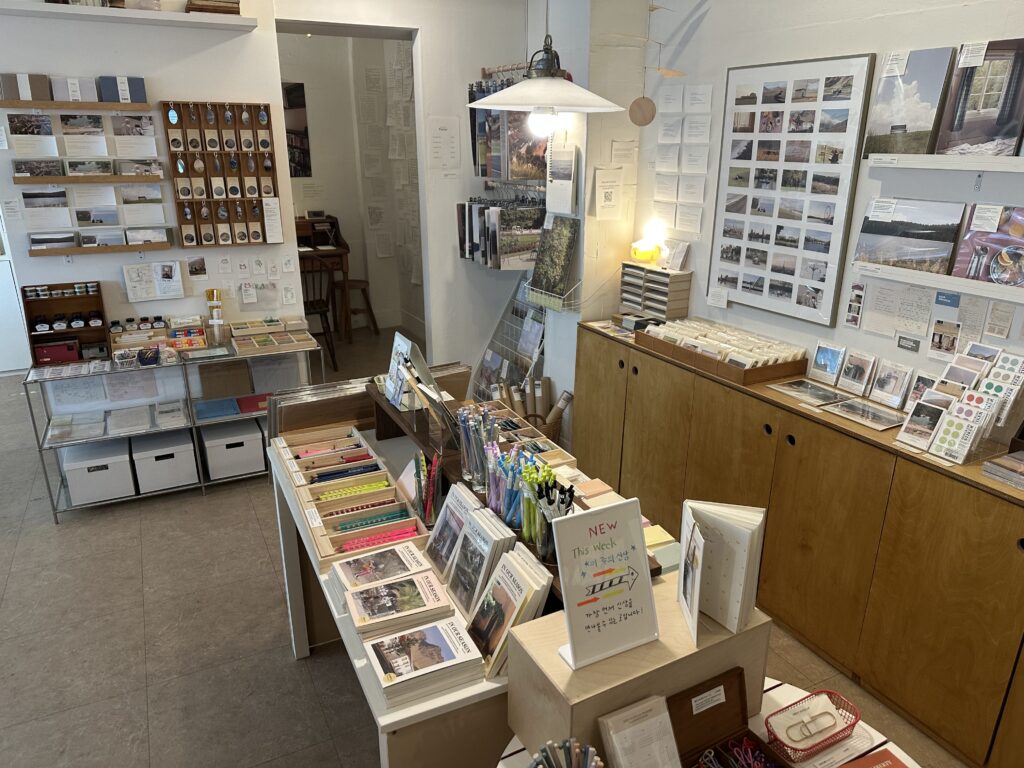
From this perspective, pop-up stores for global brands must move beyond visibility and scale. To resonate with young consumers, they need to offer opportunities to encounter the brand through small, purchasable items and distinctive, story-driven experiences that invite emotional participation rather than simple transactions.
The small, quiet streets of Yeonhui-dong, though located on the outskirts of Seoul and less widely known than luxury brands or massive shopping malls, hide many treasures where visitors can discover the core value of alternative shopping—seeking new stories and experiences beyond mainstream trends.