By Daniel Kim
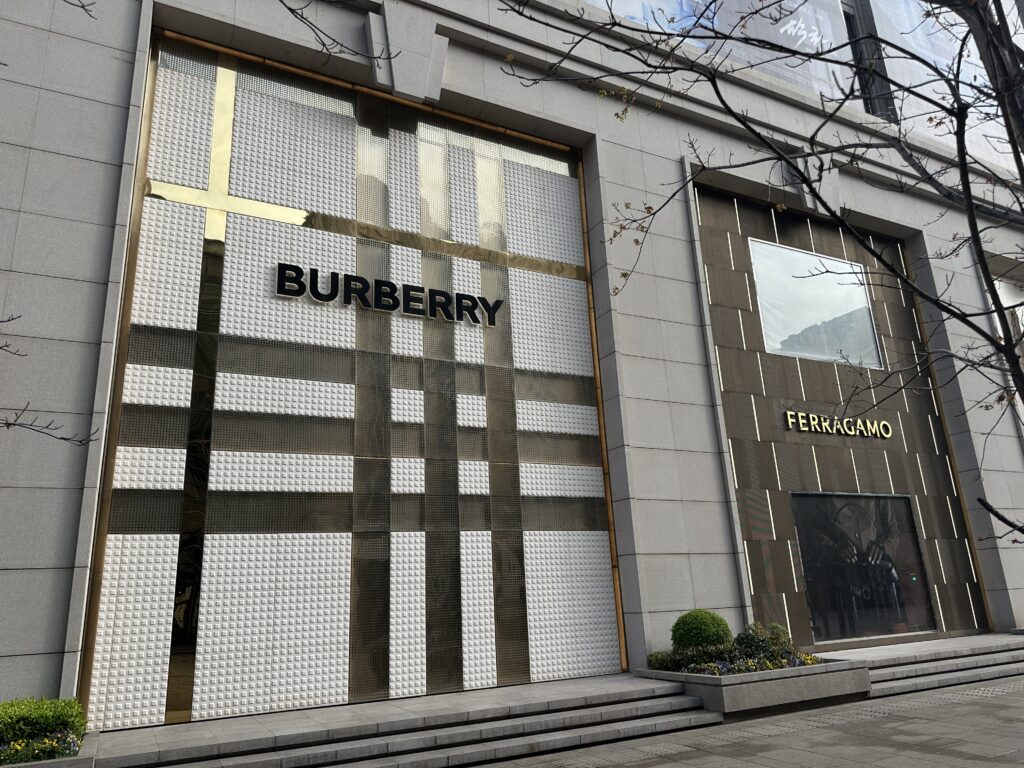
Luxury stores may appear closed at first glance—but in reality, their doors are open; they are simply designed to be hard to find.
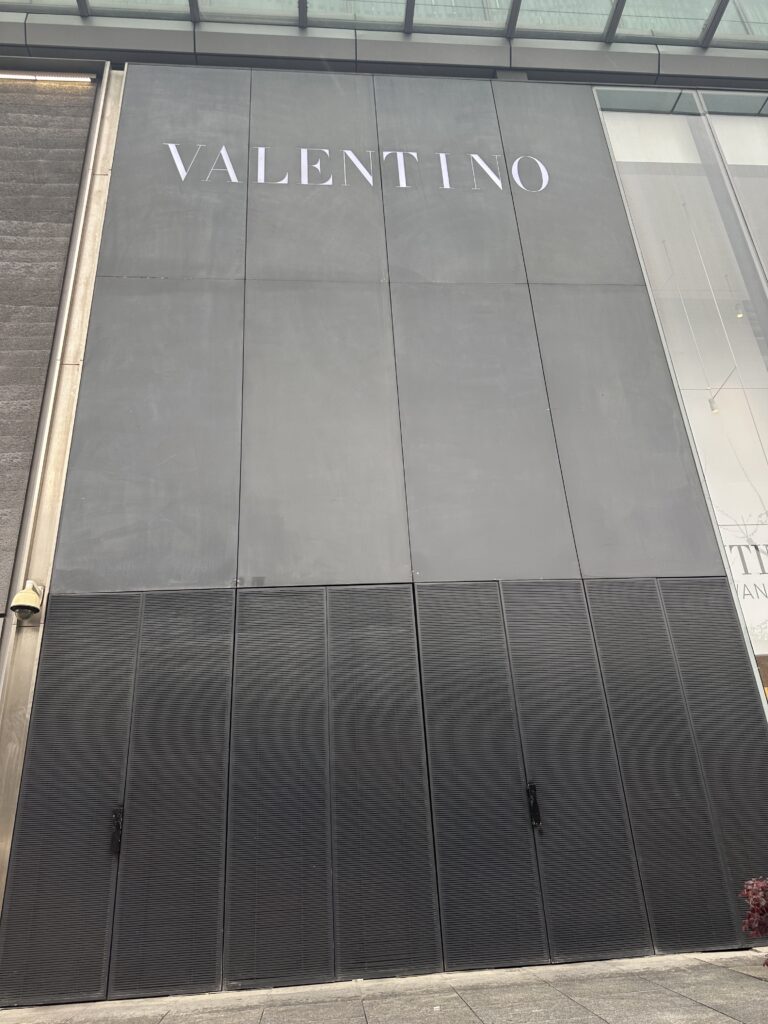
This subtle barrier can be both physical and visual. For instance, when attempting to enter a Valentino store on Huaihai Zhong Road, the entrance featured a discreet handle and a noticeably heavy door. Even after managing to open it, there was a brief moment of hesitation—uncertainty about whether I was meant to enter at all.
Across Shanghai, many boutiques adopt this approach. Storefronts feel deliberately less welcoming, often concealing products rather than displaying them to passersby. This intentional opacity reinforces the exclusivity of premium offerings. For some, the ambiguity of entry can evoke a mix of hesitation and intrigue—where slight discomfort heightens curiosity and, in turn, desire.
Access, therefore, becomes a subtle signal of belonging. Only those who recognize how to enter—or feel confident enough to do so—cross the threshold. In this way, these spaces distinguish insiders from the general flow of urban pedestrians, transforming entry itself into a marker of status and cultural fluency.
This dynamic may particularly resonate with upper-middle-class Shanghainese consumers, for whom distinction is not only about wealth, but also about differentiating themselves through refined taste, cultural awareness, and the ability to navigate subtle social cues within an increasingly diverse urban environment.
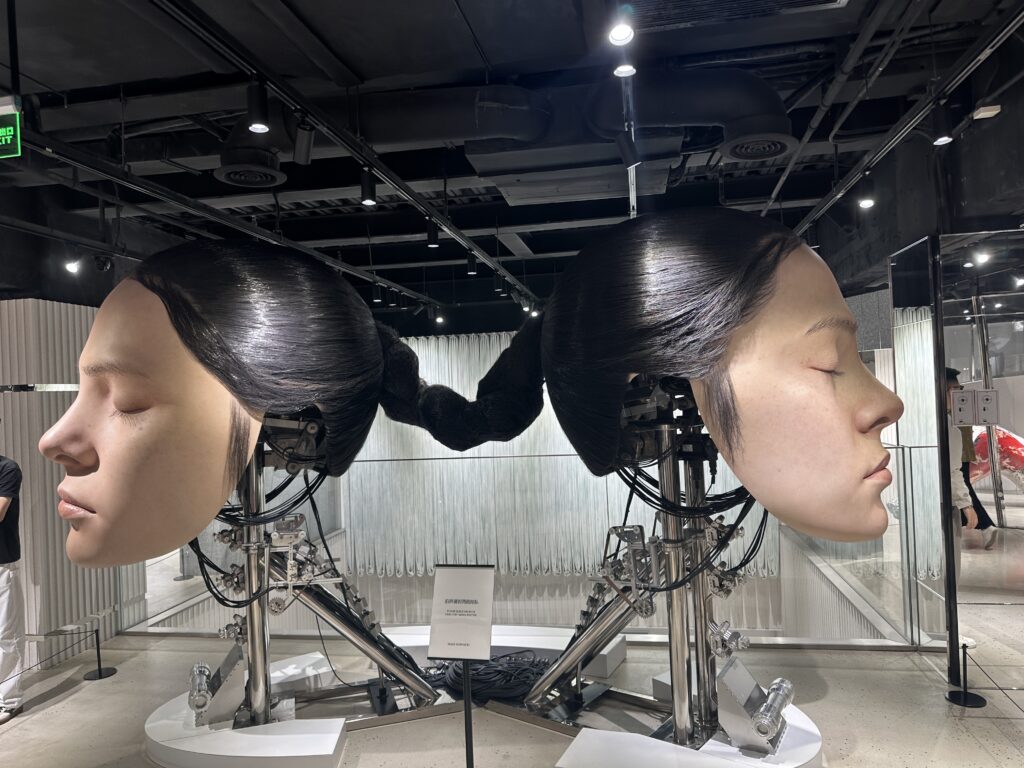
In contrast to other luxury brands with exclusive storefronts, the Korean premium eyewear brand, Gentle Monster, draws the largest crowds on Huaihai Zhong Road through its striking art installations. The store was filled with visitors, many of whom queued to take photos in front of uncanny, gigantic sculptural faces. While such large-scale installations may compromise short-term in-store ROI, they create an immersive and highly shareable environment—significantly boosting brand visibility through continuous foot traffic and social media engagement.
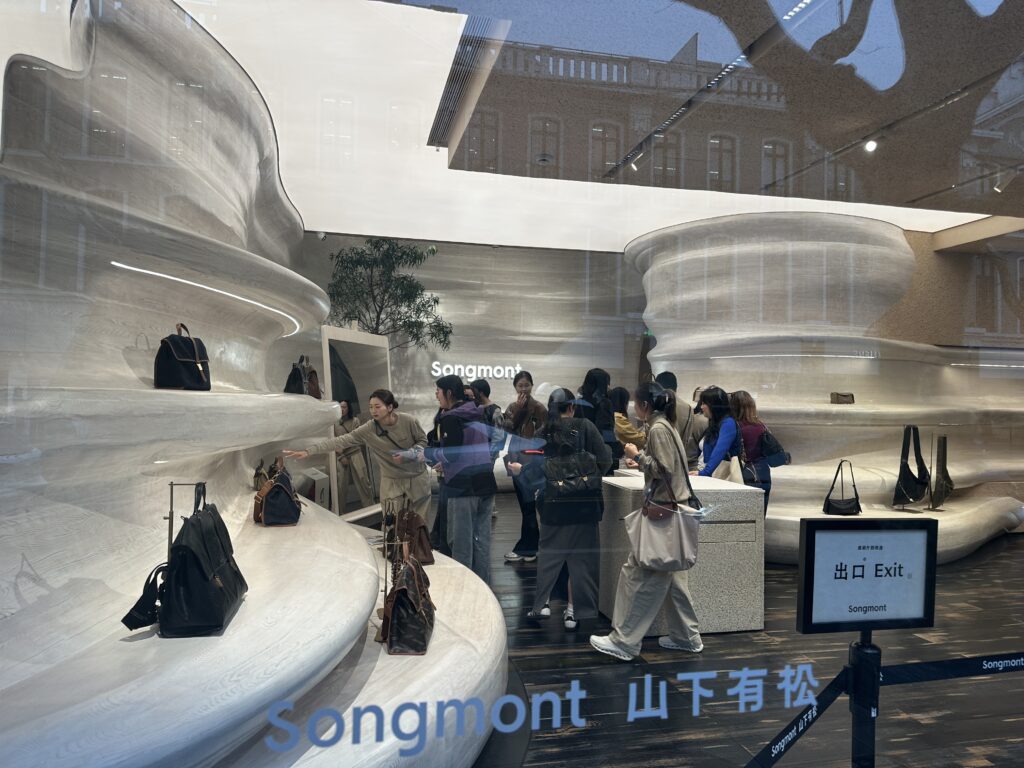
Directly across the street, the Chinese bag brand, Songmont, adopts a markedly different strategy. By deliberately limiting the number of visitors allowed inside, the brand creates visible queues. As part of a new wave of Chinese consumer brands, Songmont emphasizes Chinese aesthetic heritage as a compelling alternative to Western luxury. The controlled in-store environment allows for more intimate, staff-assisted interactions, deepening engagement for those inside while simultaneously cultivating curiosity and desire among those waiting outside or peering in.
We are curious which strategy will resonate more with Chinese consumers.
For discovery and mass desirability: Gentle Monster likely has the edge. It scales attention quickly and thrives in a social-media-first ecosystem.
For depth and brand loyalty: Songmont’s model may prove more durable. It converts interest into emotional attachment and perceived value.