By Tracy Shim
In South Korea, K-beauty’s focus on healthy, natural skin has shaped a beauty landscape that aligns with the broader fashion trend of “effortless chic.” But now, a new aesthetic sensibility is emerging among Gen Z. Fueled by short form video culture, algorithm-driven discovery, and the pursuit of instant visual impact, this shift signals a fundamental change in how young consumers perceive beauty. At the center of this transformation is C-beauty – Chinese cosmetic brands that are redefining how beauty looks, feels, and circulates on social media.
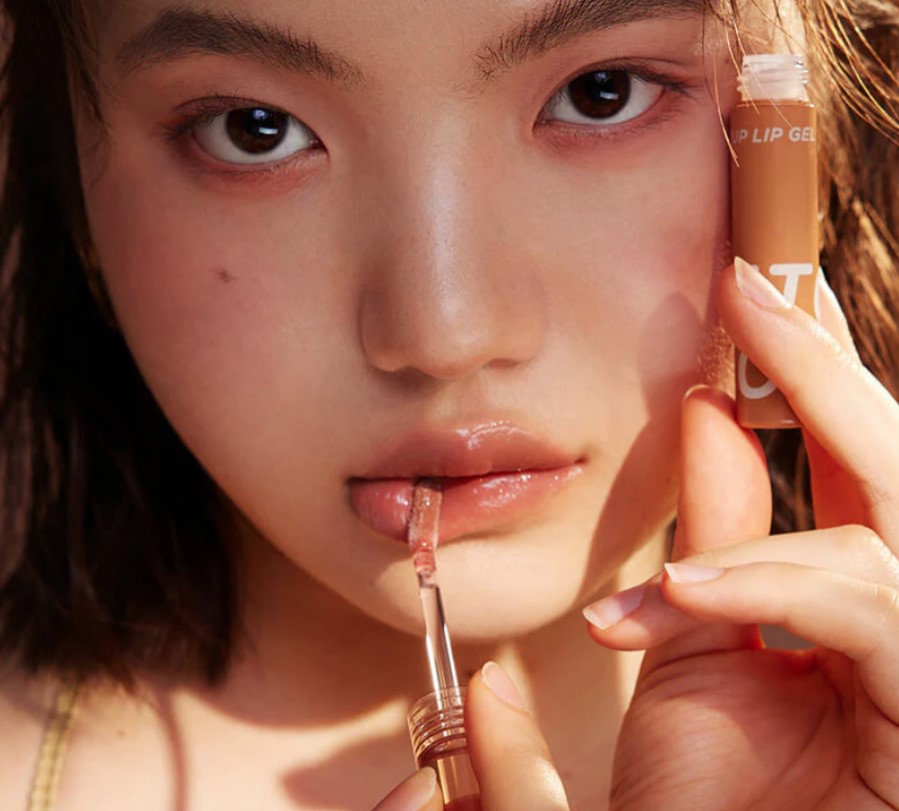
For Korean Gen Z, beauty begins on the screen. Having grown up with smartphones in hand, they express and shape their identities through TikTok, Instagram Reels, and YouTube Shorts. Within these feeds, attention is the main currency, and C-beauty speaks that visual language fluently. On Douyin(抖音), China’s version of TikTok, “Douyin makeup” has become a viral template: sharp contours, long eye lashes, glossy gradients, and a camera-ready glow can transform a face in seconds. As these aesthetics spill over Korean TikTok and Pinterest, they bring a bold, expressive energy that instantly captivates young audiences.
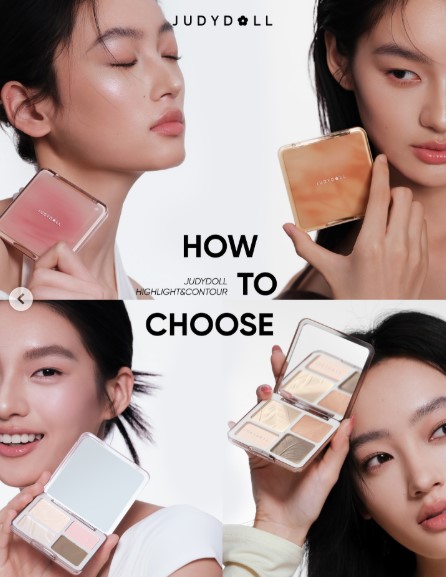
Price accessibility adds another layer of appeal. For students and young professionals balancing style aspirations with financial realities, C-beauty offers freedom to experiment without guilt. Lip muds from brands like ‘Into You’ or vivid palettes from ‘Judydoll’ deliver high-quality colors and textures at a fraction of luxury prices. Social validation amplifies the effect – once a product earns online praise from peers, curiosity quickly turns into trial and purchase. In a generation where recommendations spread faster than ads, authenticity matters more than aspiration.
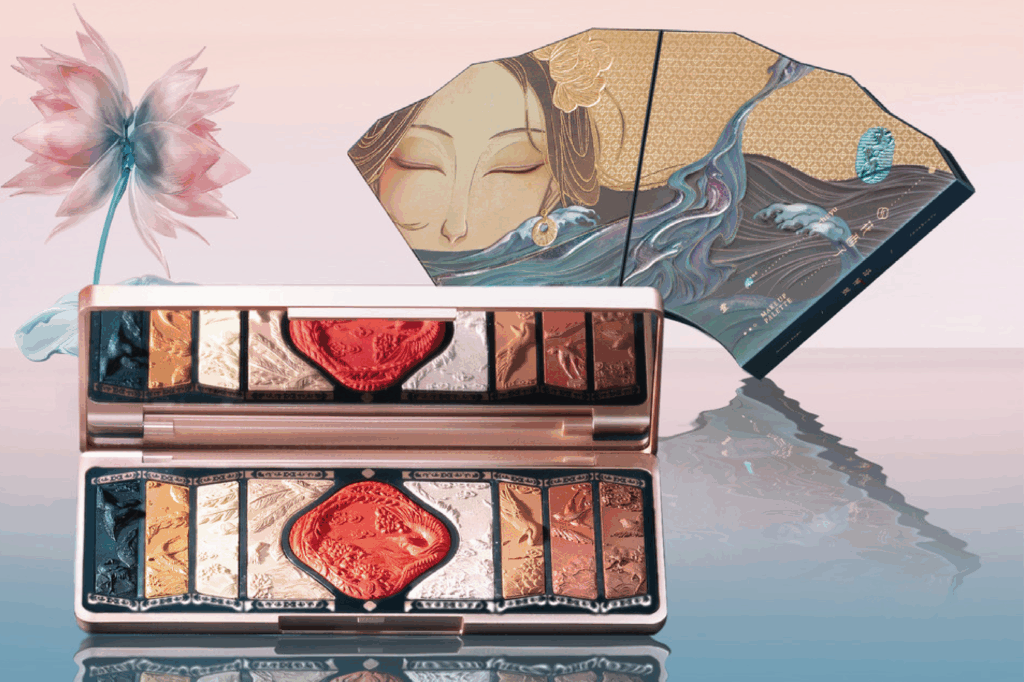
Design is another key factor behind C-beauty’s appeal. Brands such as ‘Florasis’ have perfected the art of cultural storytelling through visual craftsmanship, drawing on motifs from classical Chinese art and architecture to create artistically designed compacts that feel both collectible and expressive. For many young consumers in Korea, these items function as cosmetics and lifestyle objects at once. When packaging itself becomes an act of self-expression, every product naturally becomes content worth sharing.
Of course, C-beauty’s growth hasn’t been without challenges. Some early leaders struggled with brand fatigue and market saturation, showing that viral popularity alone cannot sustain long-term growth. Yet the broader momentum remains strong because it mirrors the rhythm of Gen Z consumption – fast-evolving, visually driven, and emotionally charged.
For global brands observing this shift, the lesson is not just about cosmetics. It is about how a generation builds meaning through what they see, share, and create together. C-beauty’s success in Korea shows that beauty today is not only about looks but also about expression. Gen Z cares more about showing how they feel, and C-beauty understands that naturally.