By Daniel Kim
In Korea, as in many other countries, traditional sodas such as Coke or Chilsung Cider are losing their appeal among young consumers. Unlike their parents’ generation, they prioritize health and wellness over indulgent pleasure. Many Koreans in their 20s and 30s are already investing in “slow aging” practices, and they evaluate beverages through the lens of healthy ingredients. This shift is partly driven by a renewed focus on nutrition and immunity in the wake of Covid-19, as more young people are incorporating supplements such as probiotics, vitamins, and omega 3 into their daily routines.
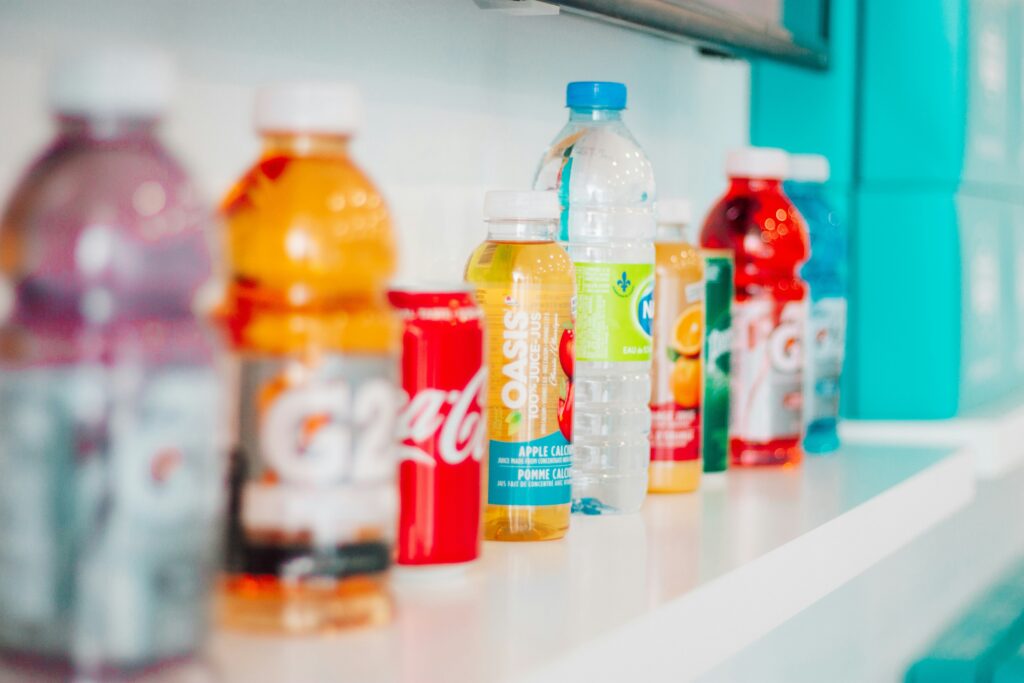
In this vein, zero-sugar sodas are strongly preferred by young consumers. According to the Korea Times, zero-sugar sodas accounted for more than half of all carbonated beverage sales at convenience store chain GS25 in 2024. A notable example is Narangd Cider Zero, which successfully repositioned its once-outdated brand as a healthier “diet” alternative, resonating strongly with younger, health-conscious consumers.
As mainstream players adapt, new entrants are seizing opportunities in untapped segments with innovative marketing targeted at younger consumers. Riding on the recent boom in running and hiking, electrolyte hydration drinks – commonly referred as “ion drinks” in Korea – are emerging as a fast-evolving sector shaped by health trends and shifting consumer demands. For instance, established brands such as Powerade and Gatorade have also introduced zero-sugar variants, underscoring the strength of this consumer shift.

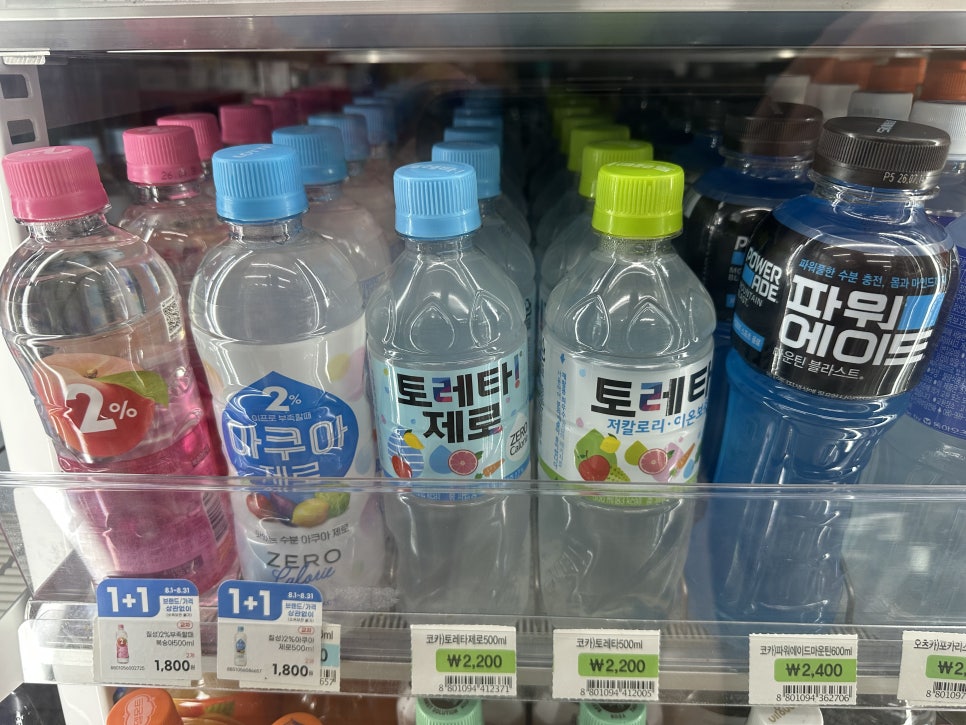
Coca-Cola’s Toreta is positioning itself against market leader Pocari Sweat by highlighting fruit and vegetable extracts as healthier ingredients, while broadening its appeal from men and sports-driven occasions to women and everyday hydration. Meanwhile, Korean start-up Lingtea has redefined the electrolyte drink category with a more medical and scientific approach. Branded as “drinkable I.V.,” Lingtea is promoted as “doctor-formulated electrolyte drink mix,” and has successfully introduced a powdered format in Korea, differentiating itself with functional nutrition and clinical credibility.
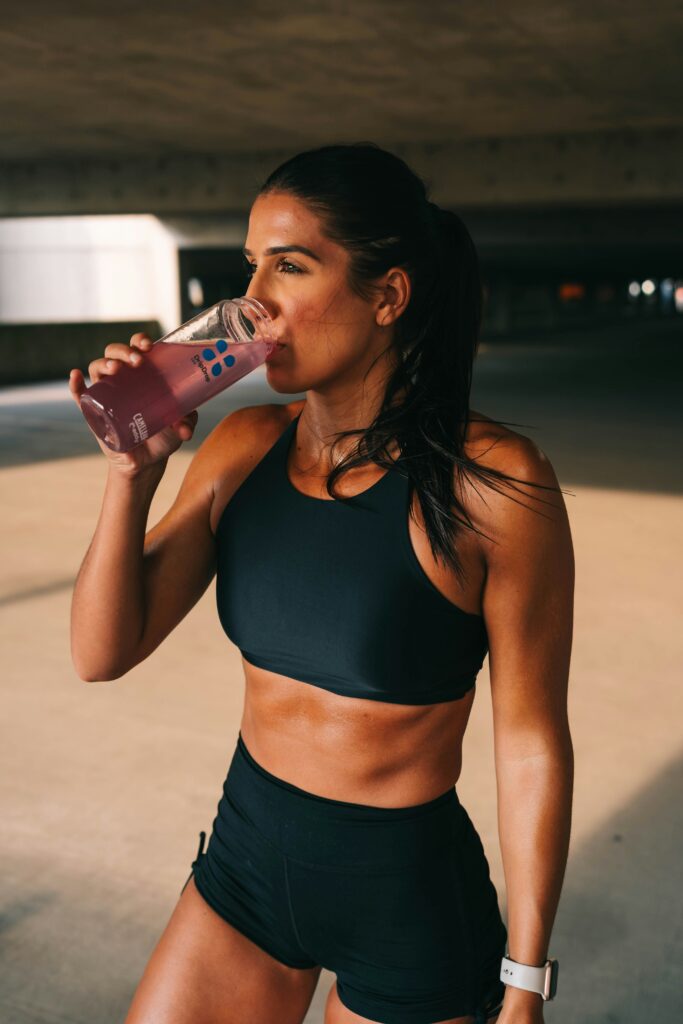
Young consumers drink not only to quench their thirst, but also to supplement their nutrition, and their expectations are becoming increasingly complex. Trends in functional and healthy beverages continue to evolve—from probiotics and protein to enzymes and collagen. Shoppers tend to prefer zero- or low-sugar options, yet still demand a satisfying taste. At the same time, many are cautious about the potential side effects from artificial sweeteners such as aspartame. They are especially drawn to added value and functionality in beverages – products that can support dieting, improve skin health, promote detoxification, relieve fatigue, enhance sleep quality or even help recover from a hangover.
For these young, health-savvy consumers, plain water is no longer enough; they seek drinks that reflect diverse lifestyle trends and evolving wellness needs.