Sipping into Wellness

By Daniel Kim

In Korea, as in many other countries, traditional sodas such as Coke or Chilsung Cider are losing their appeal among young consumers. Unlike their parents’ generation, they prioritize health and wellness over indulgent pleasure. Many Koreans in their 20s and 30s are already investing in “slow aging” practices, and they evaluate beverages through the lens of healthy ingredients. This shift is partly driven by a renewed focus on nutrition and immunity in the wake of Covid-19, as more young people are incorporating supplements such as probiotics, vitamins, and omega 3 into their daily routines. 
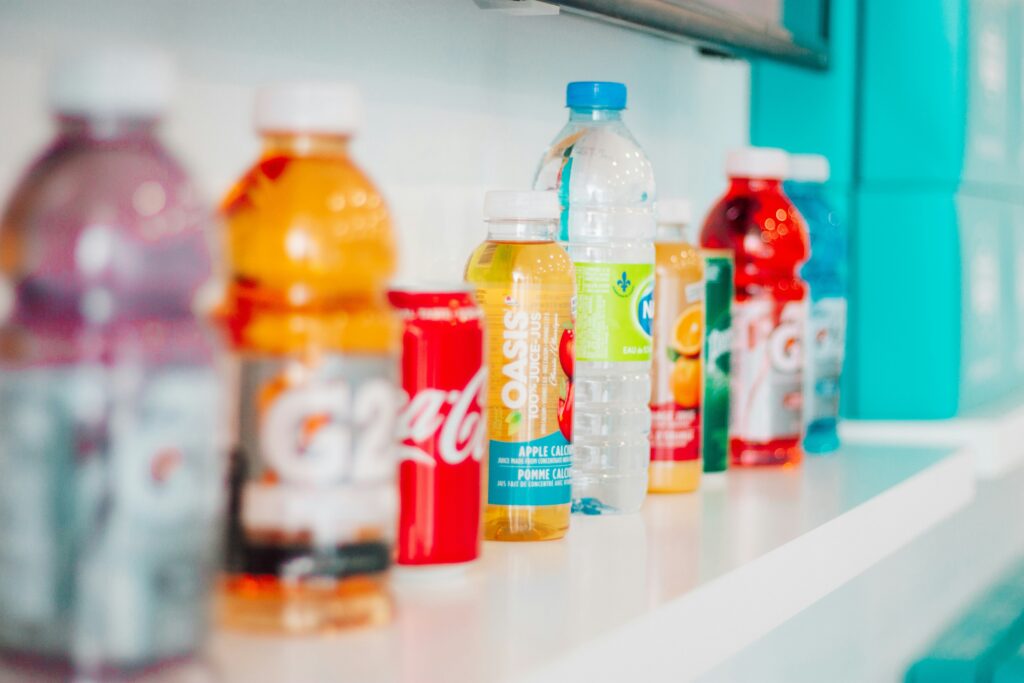
In this vein, zero-sugar sodas are strongly preferred by young consumers. According to the Korea Times, zero-sugar sodas accounted for more than half of all carbonated beverage sales at convenience store chain GS25 in 2024. A notable example is Narangd Cider Zero, which successfully repositioned its once-outdated brand as a healthier “diet” alternative, resonating strongly with younger, health-conscious consumers. 

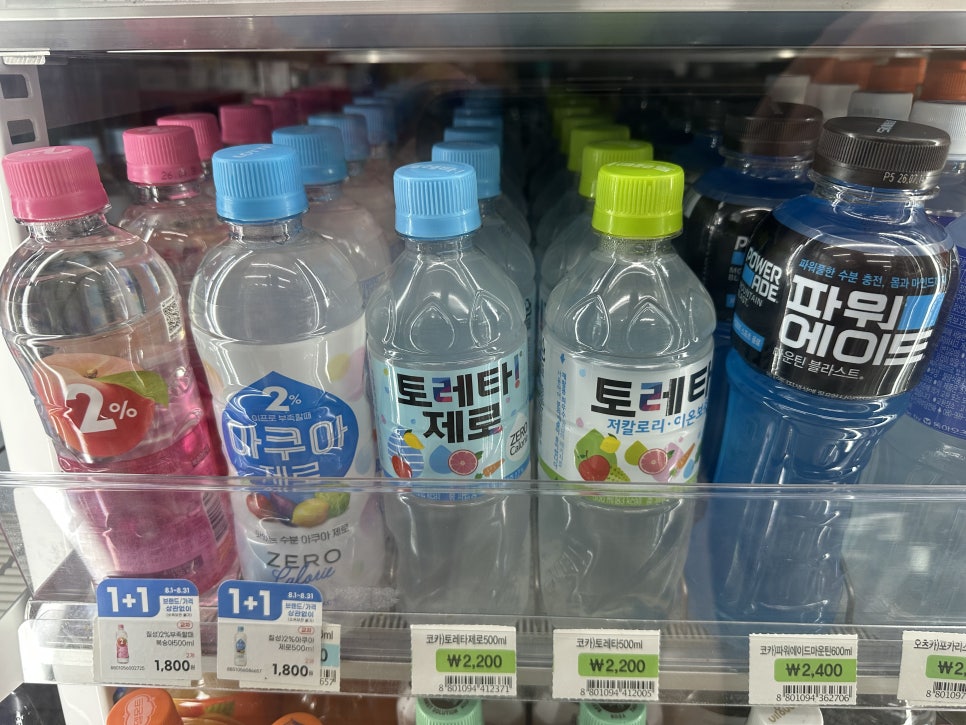
As mainstream players adapt, new entrants are seizing opportunities in untapped segments with innovative marketing targeted at younger consumers. Riding on the recent boom in running and hiking, electrolyte hydration drinks – commonly referred as “ion drinks” in Korea – are emerging as a fast-evolving sector shaped by health trends and shifting consumer demands. For instance, established brands such as Powerade and Gatorade have also introduced zero-sugar variants, underscoring the strength of this consumer shift. 

Coca-Cola’s Toreta is positioning itself against market leader Pocari Sweat by highlighting fruit and vegetable extracts as healthier ingredients, while broadening its appeal from men and sports-driven occasions to women and everyday hydration. Meanwhile, Korean start-up Lingtea has redefined the electrolyte drink category with a more medical and scientific approach. Branded as “drinkable I.V.,” Lingtea is promoted as “doctor-formulated electrolyte drink mix,” and has successfully introduced a powdered format in Korea, differentiating itself with functional nutrition and clinical credibility.  
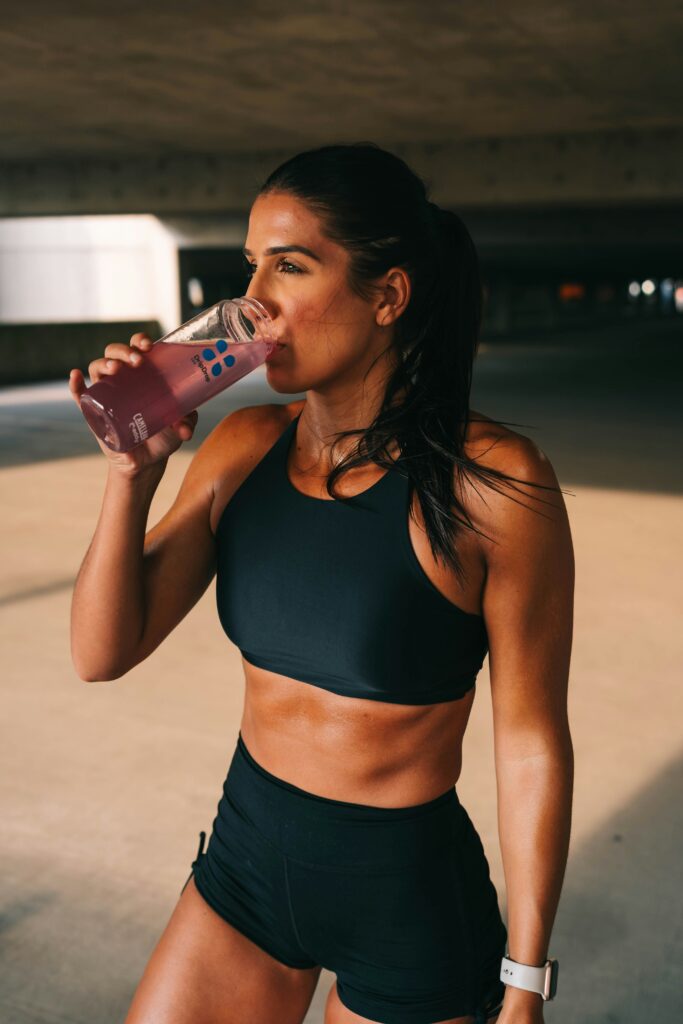
Young consumers drink not only to quench their thirst, but also to supplement their nutrition, and their expectations are becoming increasingly complex. Trends in functional and healthy beverages continue to evolve—from probiotics and protein to enzymes and collagen. Shoppers tend to prefer zero- or low-sugar options, yet still demand a satisfying taste. At the same time, many are cautious about the potential side effects from artificial sweeteners such as aspartame. They are especially drawn to added value and functionality in beverages – products that can support dieting, improve skin health, promote detoxification, relieve fatigue, enhance sleep quality or even help recover from a hangover.

For these young, health-savvy consumers, plain water is no longer enough; they seek drinks that reflect diverse lifestyle trends and evolving wellness needs.  
KPOP DEMON HUNTERS: For Gen Z, Emotion Matters More Than Reality


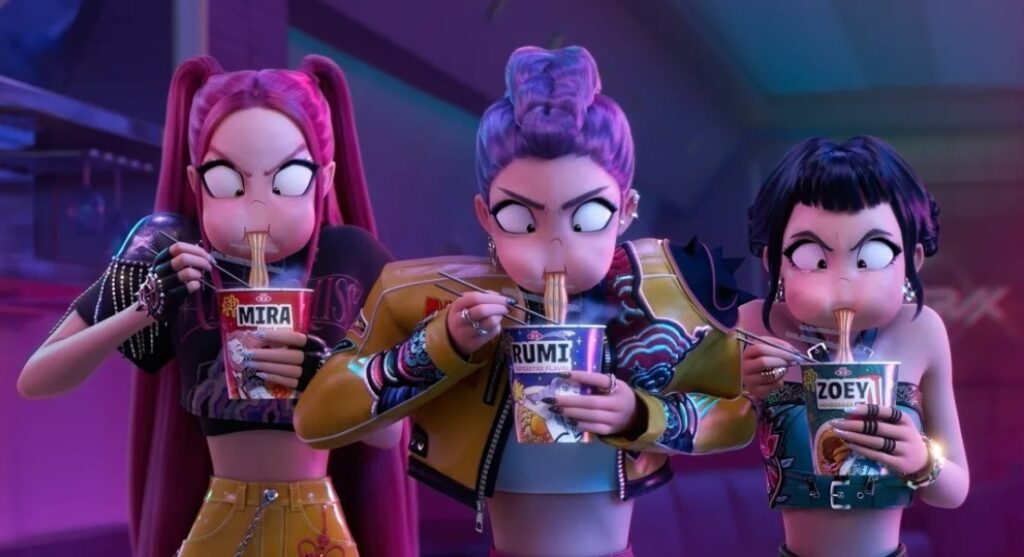
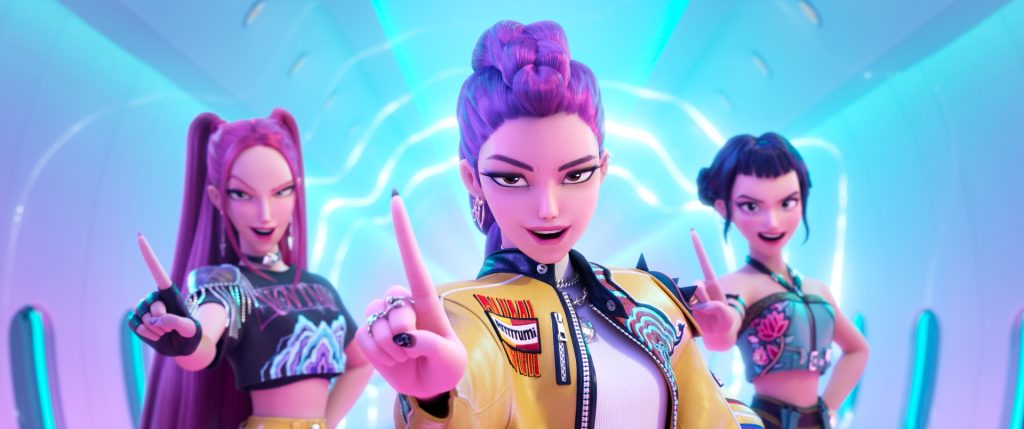
KPOP DEMON HUNTERS – (L-R) Mira, Rumi and Zoey. ©2025 Netflix

By Tracy Shim

As true digital natives, Gen Z does not define “real” by physical presence. For them, reality lies in emotional truth, narrative depth, and the sense of connection – even if the characters aren’t human. Nowhere is this more evident than in the explosive popularity of KPOP DEMON HUNTERS. The Netflix animated series fuses idol culture, fantasy action, and K-pop performance into a bold new genre of fandom experience.

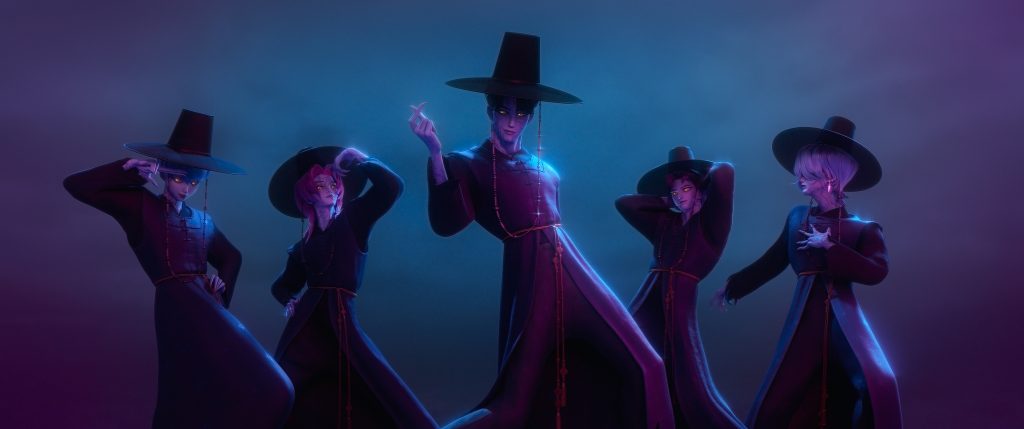
The show follows Huntrix, a virtual girl group who juggle their life as K-pop idols with a secret mission as demon hunters. and Saja Boys, their dark and powerful counterparts. The story might seem unrealistic, but that’s exactly what makes it exciting. For Gen Z, this kind of exaggerated fantasy doesn’t break immersion – it draws them in even more. The narrative speaks directly to Gen Z’s emotional world, exploring themes like identity conflict, personal trauma, and the search for belonging. The fantasy is loud, but the emotions are real.

What sets Gen Z apart is how naturally they accept virtual characters as emotionally real. Idols don’t need to exist physically to feel authentic. They embrace virtual groups like Huntrix and PLAVE with the same energy they give to traditional K-pop stars. Even when the voice actors or motion-capture performers are revealed, the fandom’s focus remains on the characters themselves. For them, there is no contradiction between fiction and fandom – only connection.

KPOP DEMON HUNTERS – Members of Huntrix eating cup ramyeon. ©2025 Netflix

This marks a clear departure from earlier generations, who often drew clear lines between real people and fictional ones. For them, knowing a character isn’t real can make it harder to fully engage with the story. For Gen Z, it’s the opposite – it enhances the experience. What matters is not whether a character exists in the traditional sense, but how the character makes them feel.

This acceptance extends to imperfections too. Animation glitches, awkward expressions, or sync issues aren’t seen as flaws – they are part of the charm. Fans turn these moments into memes, inside jokes, and cultural artifacts. These quirks don’t break immersion – they signal life, personality and authenticity.

Because Gen Z sees virtual characters as “real” in their own way, they don’t just watch – they participate. They write fanfiction, create AI-generated fan art, edit TikTok shorts, and even host birthday café events for characters who don’t physically exist. To them, co-creating with virtual idols feels as authentic as engaging with real ones.

KPOP DEMON HUNTERS – Saja Boys wearing Korean traditional hats (gat). ©2025 Netflix

For anyone creating content or building a brand, this is a signal worth paying attention to. Gen Z isn’t chasing realism – they’re chasing resonance. They respond to characters and stories that feel emotionally true. If that connection exists, it doesn’t matter whether the character is virtual or human – Gen Z will show up, tune in, and create around it. In a culture where feeling outweighs form, KPOP DEMON HUNTERS is more than entertainment. It’s proof that Gen Z is quietly redefining what it means to be real.

Why Gen Z is Enthusiastic about Little Cute Things

By Tracy Shim

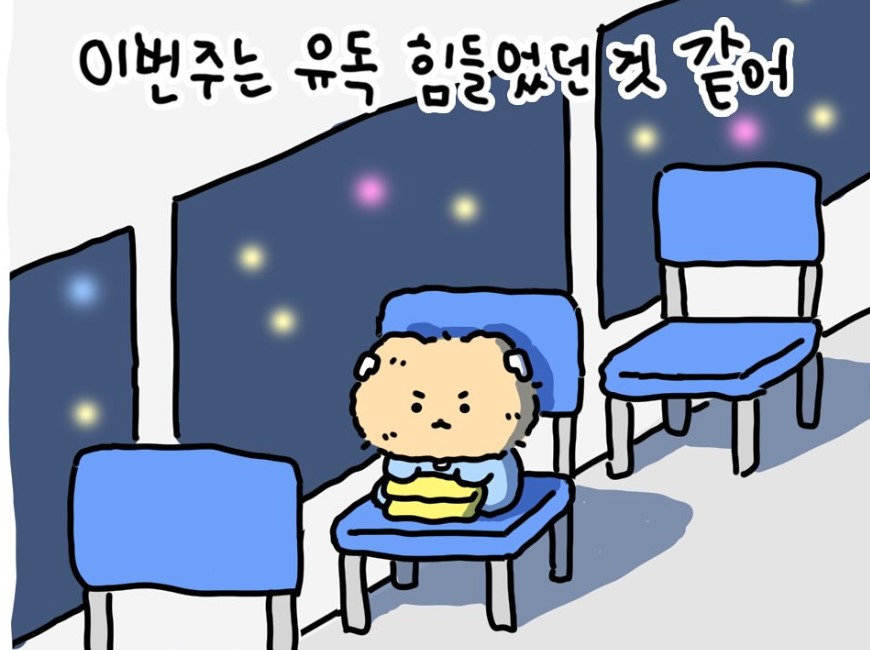
For Gen Z, the growing obsession with cute and harmless things such as character IPs, miniature merchandise, and emojis goes beyond personal taste. It signals a deeper emotional reality for many Gen Zs, who face anxiety fueled by unstable job prospects, emotionally draining relationships, constant social competition, and a sense of losing control over the future.

In this environment, soft and gentle visuals help people feel safe and relaxed. For many young people, such visuals provide a moment of emotional relief from the stress and pressure of everyday life.

Psychology also helps explain this trend. In Japan, the concept of “kawaii (かわいい),” or cuteness, implies warmth, innocence, and emotional safety. A study from Hiroshima University demonstrates that viewing cute images improves focus and emotional response. This aligns with the “baby schema” theory in evolutionary psychology. For instance, features like big eyes and round faces activate our instinct to nurture and create emotional bonds.

These psychological responses help explain why certain characters resonate so deeply with young people today. Many are drawn to intentionally imperfect character designs that reflect their own emotional state.

Image from Instagram @yurang_official

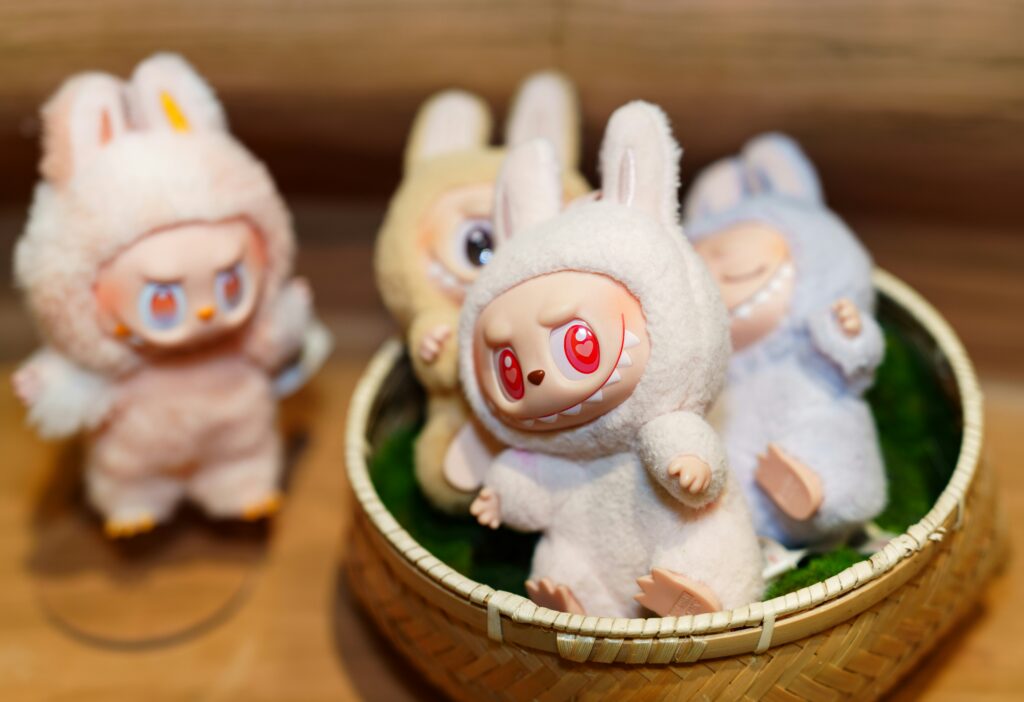
In Korea, characters like “Broken Bear” (Manggureojin Gom) and “Small Cute Chiikawa” (Meonjakgwi) are especially loved by young people. Their uneven lines and awkward expressions may reflect the emotional state of many Gen Zs. This makes them feel imperfect but relatable. People see themselves in these characters and feel an unexpected sense of sympathy.

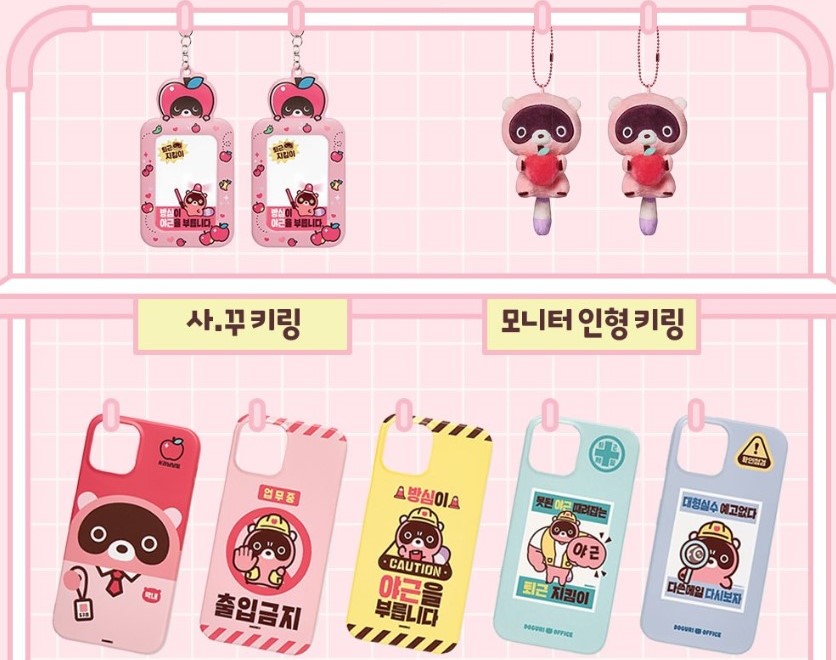
Some characters connect not just through visual traits but through empathy. With phrases like “It is okay not to try so hard,” characters such as “Gosim” (Choigosim) and “Doguri” comfort those young people who feel emotionally drained, and have built large online followings.

As this emotional shift grows stronger, more brands are jumping into character collaborations and seeing results. Brands like Olive Young and Mega Coffee have launched character-themed campaigns that not only sell out quickly but also drive strong customer engagement. Recent retail data supports this trend, showing double-digit growth in character items and blind box collectibles, along with increased sales and customer retention. Some brands like Samyang and LG U+ have even created their own characters, highlighting the growing recognition that character IPs can be powerful brand assets when supported by a clear strategy.

Image from Instagram @doguri_official

There is also a tangible shift in what young people carry and consume. Miniature figures, plushies, and especially character key rings are wildly popular. It is common to see high-end handbags decorated with multiple cute key chains, a visual mix of luxury and emotional softness. These are not just accessories. They are emotional anchors.

This emotional connection offers a meaningful opportunity for brands. If a brand aims to use characters in its marketing, the key is to understand Gen Z’s emotional needs and create characters with depth, authenticity, and a clear narrative. That is how lasting loyalty is built.

Rethinking the Ballpark: Women Are Reshaping Korean Baseball

By Tracy Shim

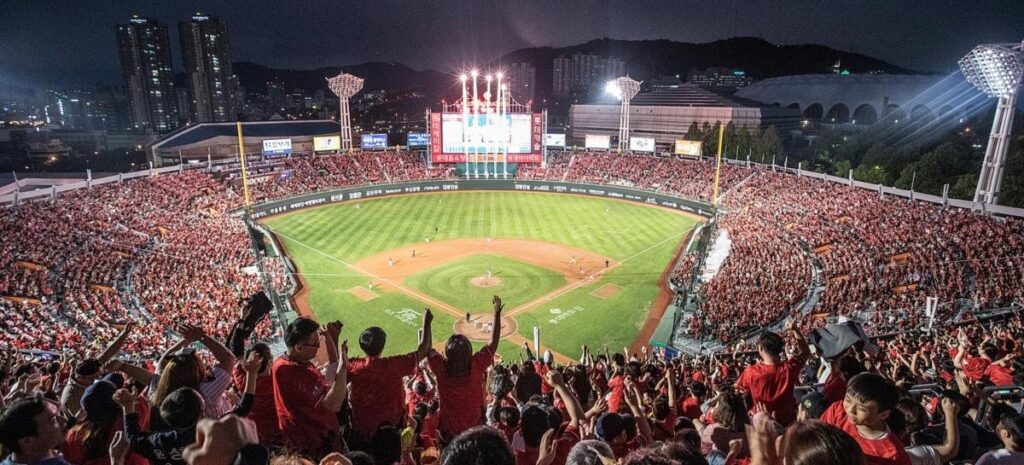
Korean baseball is changing. More young women are showing up at games, and they are bringing a whole new vibe. For many in their 20s and 30s, the ballpark isn’t just a place to watch baseball. It is a space to hang out, dress up, and create shared experiences with friends. Going to a game has become a go-to activity, not just a weekend plan.

This shift is about more than just numbers. It’s about how fans engage with baseball. Female fans are actively shaping the atmosphere inside ballparks. From stylish game-day fashion to custom cheering goods, they are turning baseball into an expressive social experience. Even team merchandise is evolving, with jerseys designed in a casual style so fans can wear them anytime, anywhere. DIY kits, patches, and accessories let fans personalize their gear and show off their creativity.

Teams and brands are responding to this shift. Collaborations with character IPs and fashion labels are growing, with limited-edition merch drops tailored to young female fans. Baseball marketing is blending fandom, style, and cultural trends while focusing more on lifestyle, story-driven content, and everyday appeal.

In response, more women are entering the baseball industry. Applications for marketing and content roles at the KBO and individual teams are rising. Their input is helping clubs better understand and engage a broader fan base. Female fans are no longer just spectators. They are becoming key players in shaping the future of the sport.

Meanwhile, many female fans are speaking up. They want to be respected as real baseball fans, not treated as background visuals. Female fans are often labeled as “Eolbba(얼빠)”, a Korean term for someone who follows sports only because of good-looking players. But that stereotype misses the point. Many women, especially those who are familiar with idol fandom culture, tend to dive deep into what they love. They memorize stats, study plays, and explore team histories. Being seen as shallow can feel unfair and frustrating.

This engagement is reflected in actual numbers. In 2025, the KBO’s official record analysis workshop saw more female participants than male for the first time. These fans are not just cheering. They’re learning, analyzing, and growing with the game. Baseball has become both an emotional outlet and a space for intellectual curiosity.

As awareness grows, there is also growing discomfort with outdated representations of women in baseball culture, including the overexposure of female fans on broadcast screens and the sexualized portrayal of cheerleaders.

This is not a passing trend. Female fans are here to stay, bringing new energy, values, and voices to the game. They are not just influencing the culture. They are helping to redefine what Korean baseball looks and feels like, from the stands to the front office.


Running Crew and Sober Curious of MZ Koreans

By Daniel Kim

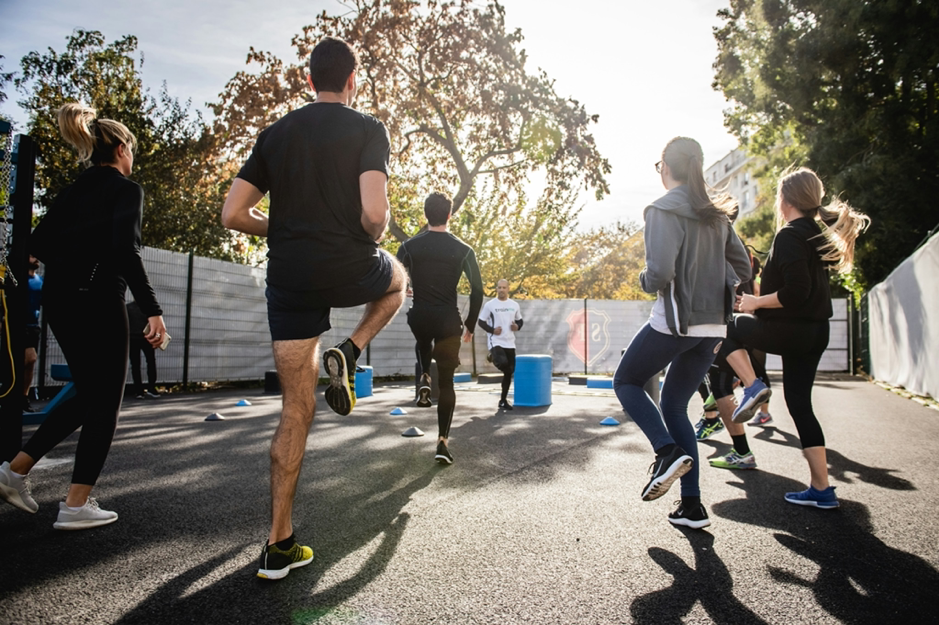
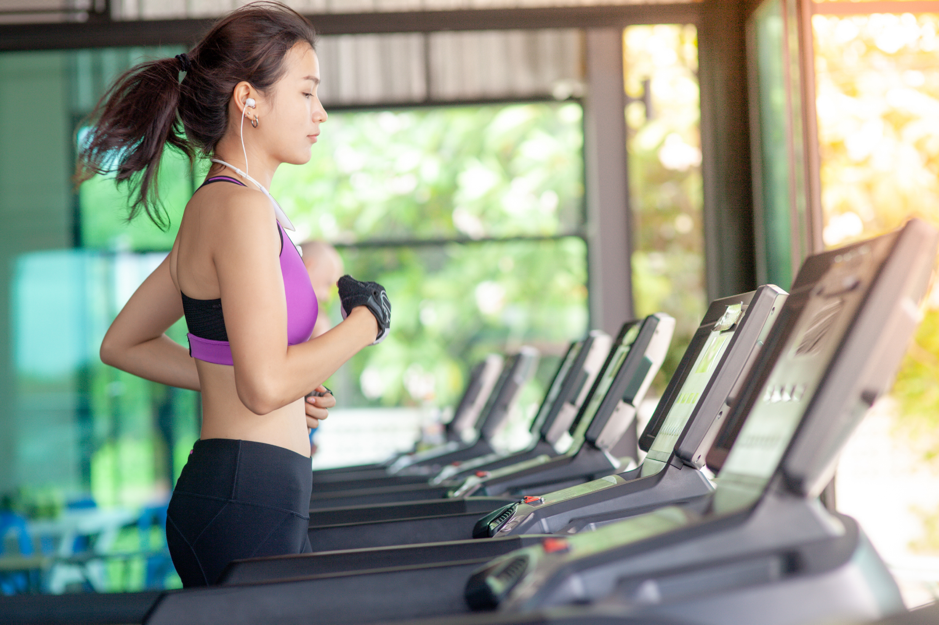
Following the post-Covid boom in golf and tennis, MZ Koreans are now gravitating toward running crews which offer a more accessible and affordable alternative. There is no need for expensive lessons, or the hassle of match-making or reservations. All it takes is a pair of stylish sneakers and trendy sportswear – and you’re already Instagram-worthy. In most running crews, there is a dedicated photographer who snaps your running moments for Instagram.

“Running-core” has emerged as a new fashion trend in Korea as young people mix running gear into their daily looks to show off their sporty, health-conscious vibe. Premium sneakers from brands like Asics, Salomon, and On Running are seeing a surge in sales. Another appeal of running crews is the ease of expanding a social circle – with the added bonus of possibly meeting a date.

After a running crew session, some crew members might enjoy a casual get-together with “chi-maek” (fried chicken with beer), but a growing number of young Koreans are opting for sober gatherings. While many explored wine, whiskey, and craft beer during and after the Covid-19 era, the global trend of “sober curious” is now making a strong impact among young Koreans. According to NielsonIQ, domestic spirits consumption is steadily declining, with a 7% drop compared to the previous year.   

In Korea, alcohol has long played a central role in business dinners, often leaving young employees feeling obliged to join, regardless of their personal preferences. Today, however, non-alcohol beverages offer a way for them to maintain a respectful social distance from their senior colleagues, also aligning with the growing trend toward a health-conscious lifestyle. 

In fact, alcohol is no longer seen as essential for young Koreans to socialize with their peers. A case in point is Seoul Morning Coffee Club, which draws stylish young participants to early morning raves at 7 a.m., where they enjoy music and dance – all without a drop of alcohol. Hip cafés such as Camel Café have also become popular post-run hangout spots for morning coffee. 

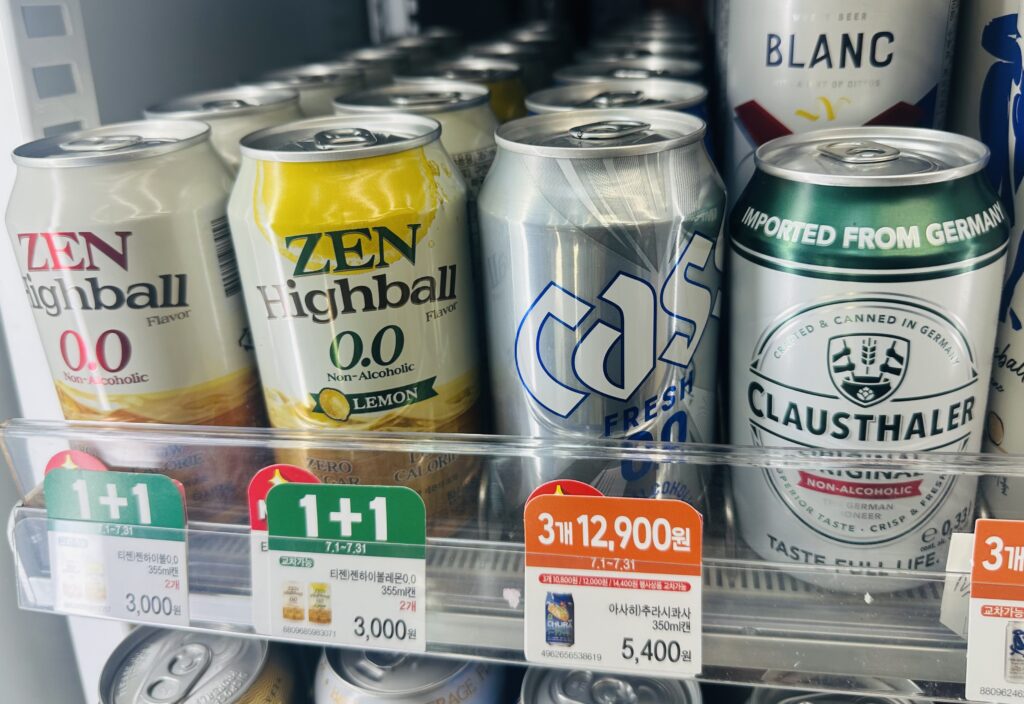
Leading beer brands such as Cass and Hite have launched their zero-alcohol beers, and set up promotional booths at marathon events, targeting MZ consumers. Japanese non-alcohol beers from Asahi and Kirin appear to better suit the tastes of young Koreans, quickly bouncing back from the impact of the ‘No Japan’ boycott a few years ago. Even upscale bars in Kangnam are adapting, offering mocktail and non-alcohol highballs to cater to this growing sober-conscious crowd. 

K-Fashion Keywords: Sporty Casual and Return of Classics

By Daniel Kim

In Seoul, it’s not just acceptable—but stylish—to wear a sporty mix-and-match outfit even when visiting upscale restaurants or wine bars. The sporty casual trend is booming, especially among MZ Koreans who express their healthy lifestyles through fashion. A good example: trendy early birds attend 7 a.m. “morning coffee club” parties, where they dance sober to music—sometimes right after a jog.

This fashion shift extends to the workplace as well. Formal suits are becoming rare. A neat polo shirt, chino pants, and loafers now qualify as appropriate office attire. Prioritizing work-life balance, many young professionals opt for active yet comfortable clothing, allowing a smooth transition between work, the gym, or a Pilates session during lunch or after hours.

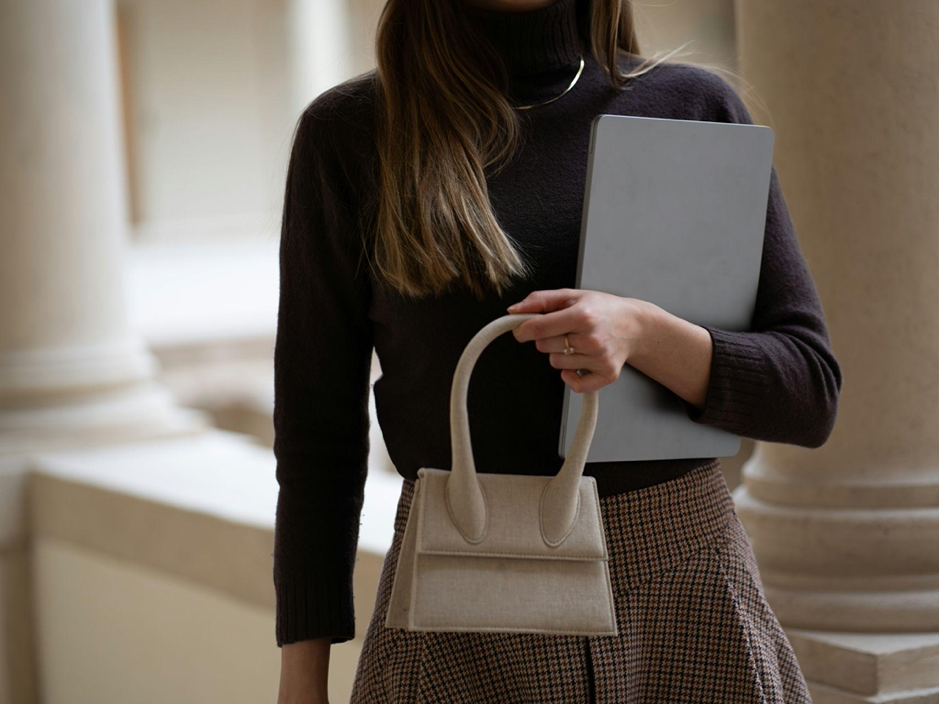
Post-Covid, the conspicuous consumption of luxury brands has clearly declined among the youth. Instead, there’s a growing appreciation for quality and craftsmanship in the trend of old money aesthetics. Brands like Ralph Lauren and Brooks Brothers are being rediscovered by young men. Coach has successfully revamped its bags to appeal to women in their twenties. Meanwhile, many women are embracing a reserved, elegant femininity—known as the Demure look—fueling demand for minimalist luxury labels such as The Row and Lemaire. As a fast fashion brand, Cos is closing the gap with market leader Zara, thanks to the rising popularity of the Demure style.

Tug-of-War in Korean Fresh Food Delivery

Traditional supermarkets such as Homeplus and Emart are losing ground as more Koreans abandon in-store grocery shopping. Since the COVID-19 pandemic, fresh food delivery platforms—led by Coupang and Market Kurly—have rapidly expanded their market share.

The rise in dual-income households has left many without the time for routine grocery trips. At the same time, the growth of single-person households is reshaping consumption habits, especially among younger consumers. Many now prefer picking up lunch boxes or salads at convenience stores, or ordering meal kits online. Grocery shopping is increasingly seen as inefficient—both in time and cost. Dining out is also being replaced by meal kits, appealing to both families and singles alike. For MZ consumers, a preference for non-face-to-face transactions further strengthens the shift to online platforms.

Competition among fresh food delivery services is intense—a “chicken game” marked by faster delivery promises and aggressive couponing. Korean consumers, known for their savvy, maximize their benefits by using multiple platforms strategically. For instance, they might order bulk vegetables or packaged food from Coupang, fresh produce and meal kits from Market Kurly, and organic items from Oasis. Platforms compete over “must-buy” items to draw in users—such as fertilized eggs from Oasis or Greek yogurt from Market Kurly. Loyalty programs and rewards have become crucial in retaining these strategic, value-seeking customers.

Luxury Consumption in Korea: Family Strategy for Status Preservation

By Daniel Kim

In Kangnam, a daughter attending a top-tier university often borrows her mother’s classic Chanel bag to show off when meeting friends. When the mother buys a Gucci shirt, she will look for a style that she and her daughter both enjoy, so they can share it.

At the heart of luxury consumption in Korea lies a family’s strong desire to elevate their social status amid growing economic inequality. In fact, Koreans have long been accustomed to competition within a rigidly hierarchical society. From a young age, they strive fiercely to gain admission to prestigious universities. After graduation, they face another round of intense competition to land high-paying jobs at top companies such as Samsung and Hyundai.

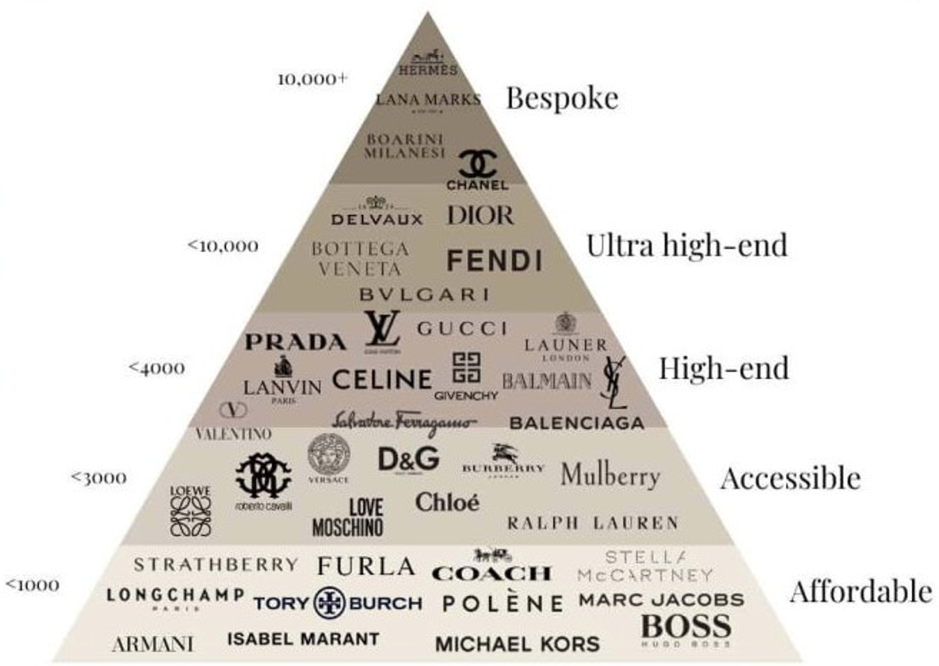
Therefore, luxury consumption in Korea is often driven more by the desire to conform to norms and expectations tied to one’s social status, rather than by a pursuit of individual style. To navigate this landscape effectively, it is essential to comprehend the hierarchical positioning of different brands within the context of ever-changing trends.

For example, a successful engineer at Samsung takes the time to study the heritage and history of luxury brands in order to offer fashion advice to his wife. Rather than shopping for himself, he would be more inclined to invest in luxury items for his wife and daughter, finding a sense of achievement in the way the family is presented to others.

Compared to foreign nations, luxury consumption in Korea serves more as a way of blending into the appropriate status group subtly, rather than standing out through expressive individuality. As a result, overt logo displays are often avoided, while understated patterns and low-key brand codes are favored. For example, the patterned lining under the sleeves of Dior jackets gained popularity because it could be discreetly folded to reveal the brand only when desired.