By Tracy Shim
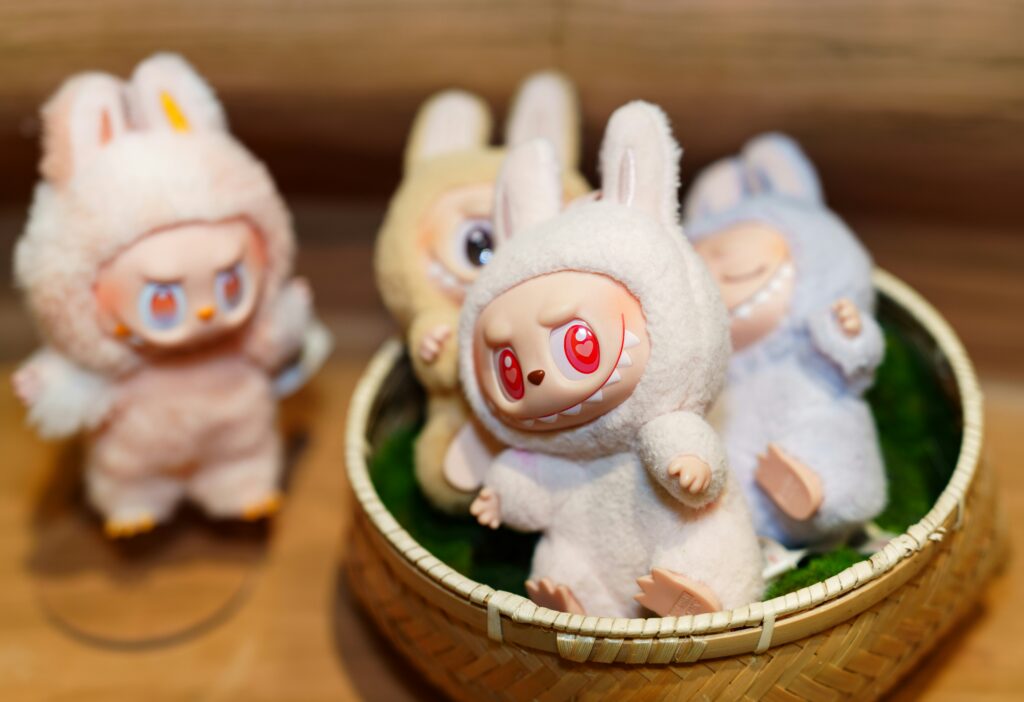
For Gen Z, the growing obsession with cute and harmless things such as character IPs, miniature merchandise, and emojis goes beyond personal taste. It signals a deeper emotional reality for many Gen Zs, who face anxiety fueled by unstable job prospects, emotionally draining relationships, constant social competition, and a sense of losing control over the future.
In this environment, soft and gentle visuals help people feel safe and relaxed. For many young people, such visuals provide a moment of emotional relief from the stress and pressure of everyday life.
Psychology also helps explain this trend. In Japan, the concept of “kawaii (かわいい),” or cuteness, implies warmth, innocence, and emotional safety. A study from Hiroshima University demonstrates that viewing cute images improves focus and emotional response. This aligns with the “baby schema” theory in evolutionary psychology. For instance, features like big eyes and round faces activate our instinct to nurture and create emotional bonds.
These psychological responses help explain why certain characters resonate so deeply with young people today. Many are drawn to intentionally imperfect character designs that reflect their own emotional state.
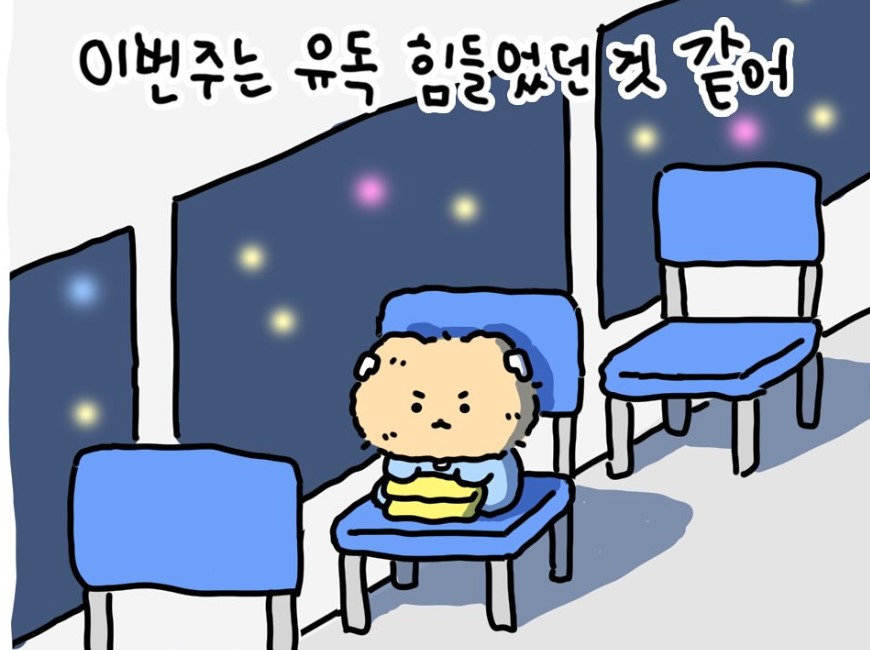
In Korea, characters like “Broken Bear” (Manggureojin Gom) and “Small Cute Chiikawa” (Meonjakgwi) are especially loved by young people. Their uneven lines and awkward expressions may reflect the emotional state of many Gen Zs. This makes them feel imperfect but relatable. People see themselves in these characters and feel an unexpected sense of sympathy.
Some characters connect not just through visual traits but through empathy. With phrases like “It is okay not to try so hard,” characters such as “Gosim” (Choigosim) and “Doguri” comfort those young people who feel emotionally drained, and have built large online followings.
As this emotional shift grows stronger, more brands are jumping into character collaborations and seeing results. Brands like Olive Young and Mega Coffee have launched character-themed campaigns that not only sell out quickly but also drive strong customer engagement. Recent retail data supports this trend, showing double-digit growth in character items and blind box collectibles, along with increased sales and customer retention. Some brands like Samyang and LG U+ have even created their own characters, highlighting the growing recognition that character IPs can be powerful brand assets when supported by a clear strategy.
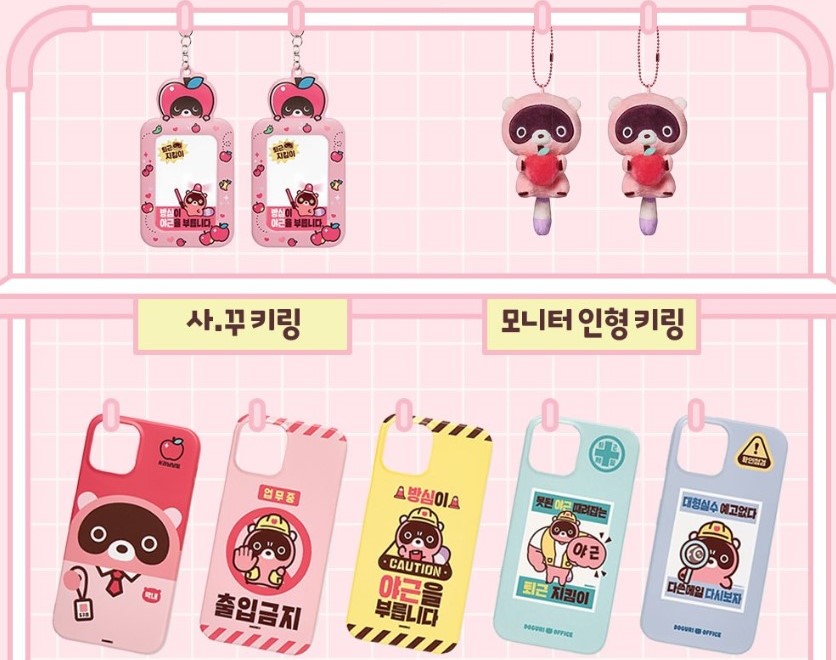
There is also a tangible shift in what young people carry and consume. Miniature figures, plushies, and especially character key rings are wildly popular. It is common to see high-end handbags decorated with multiple cute key chains, a visual mix of luxury and emotional softness. These are not just accessories. They are emotional anchors.
This emotional connection offers a meaningful opportunity for brands. If a brand aims to use characters in its marketing, the key is to understand Gen Z’s emotional needs and create characters with depth, authenticity, and a clear narrative. That is how lasting loyalty is built.