
By Tracy Shim
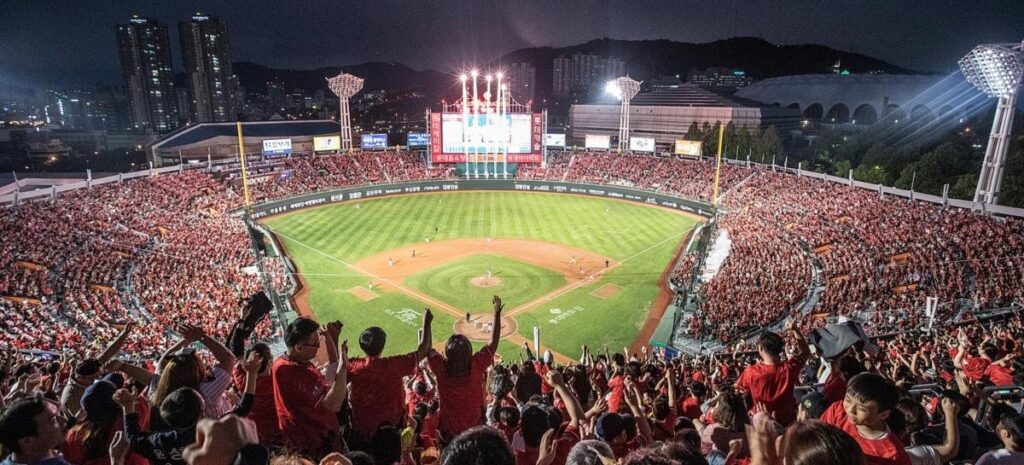
Korean baseball is changing. More young women are showing up at games, and they are bringing a whole new vibe. For many in their 20s and 30s, the ballpark isn’t just a place to watch baseball. It is a space to hang out, dress up, and create shared experiences with friends. Going to a game has become a go-to activity, not just a weekend plan.
This shift is about more than just numbers. It’s about how fans engage with baseball. Female fans are actively shaping the atmosphere inside ballparks. From stylish game-day fashion to custom cheering goods, they are turning baseball into an expressive social experience. Even team merchandise is evolving, with jerseys designed in a casual style so fans can wear them anytime, anywhere. DIY kits, patches, and accessories let fans personalize their gear and show off their creativity.
Teams and brands are responding to this shift. Collaborations with character IPs and fashion labels are growing, with limited-edition merch drops tailored to young female fans. Baseball marketing is blending fandom, style, and cultural trends while focusing more on lifestyle, story-driven content, and everyday appeal.
In response, more women are entering the baseball industry. Applications for marketing and content roles at the KBO and individual teams are rising. Their input is helping clubs better understand and engage a broader fan base. Female fans are no longer just spectators. They are becoming key players in shaping the future of the sport.
Meanwhile, many female fans are speaking up. They want to be respected as real baseball fans, not treated as background visuals. Female fans are often labeled as “Eolbba(얼빠)”, a Korean term for someone who follows sports only because of good-looking players. But that stereotype misses the point. Many women, especially those who are familiar with idol fandom culture, tend to dive deep into what they love. They memorize stats, study plays, and explore team histories. Being seen as shallow can feel unfair and frustrating.
This engagement is reflected in actual numbers. In 2025, the KBO’s official record analysis workshop saw more female participants than male for the first time. These fans are not just cheering. They’re learning, analyzing, and growing with the game. Baseball has become both an emotional outlet and a space for intellectual curiosity.

As awareness grows, there is also growing discomfort with outdated representations of women in baseball culture, including the overexposure of female fans on broadcast screens and the sexualized portrayal of cheerleaders.
This is not a passing trend. Female fans are here to stay, bringing new energy, values, and voices to the game. They are not just influencing the culture. They are helping to redefine what Korean baseball looks and feels like, from the stands to the front office.