The Reversal of ‘Chinese-Style’: How Korean Gen Z is Rethinking Chinese Brands

By Tracy Shim

We recently encountered a surprising trend while conducting consumer research on confectionery. A Chinese candy called Xiao-ke-ao-ra was gaining significant traction among younger consumers in Korea. Chinese products, especially food items, used to face strong skepticism regarding quality and safety. Realizing that younger Korean consumers no longer carry these rigid preconceptions marked a notable shift.

There was a time when the label “Chinese-style” or Jung-ti, a Korean slang term used to describe a distinct Chinese aesthetic, was largely synonymous with being tacky or poorly made. It carried negative connotations, implying an unrefined excess or questionable craftsmanship. Recently, however, the perception of this phrase among Gen Z has transformed dramatically. As the Chinamaxxing trend spreads across TikTok and Instagram, Jung-ti is increasingly embraced as a bold and eccentric style with a unique, offbeat charm that feels unexpectedly cool. Xiao-ke-ao-ra itself gained popularity after going viral through short-form videos on social media. Indeed, big data analysis reported in the media shows that mentions of Jung-ti jumped by more than 250% over the past year, with positive sentiment exceeding 70%. Words like “pretty” and “eye-catching” are now frequently attached to it.
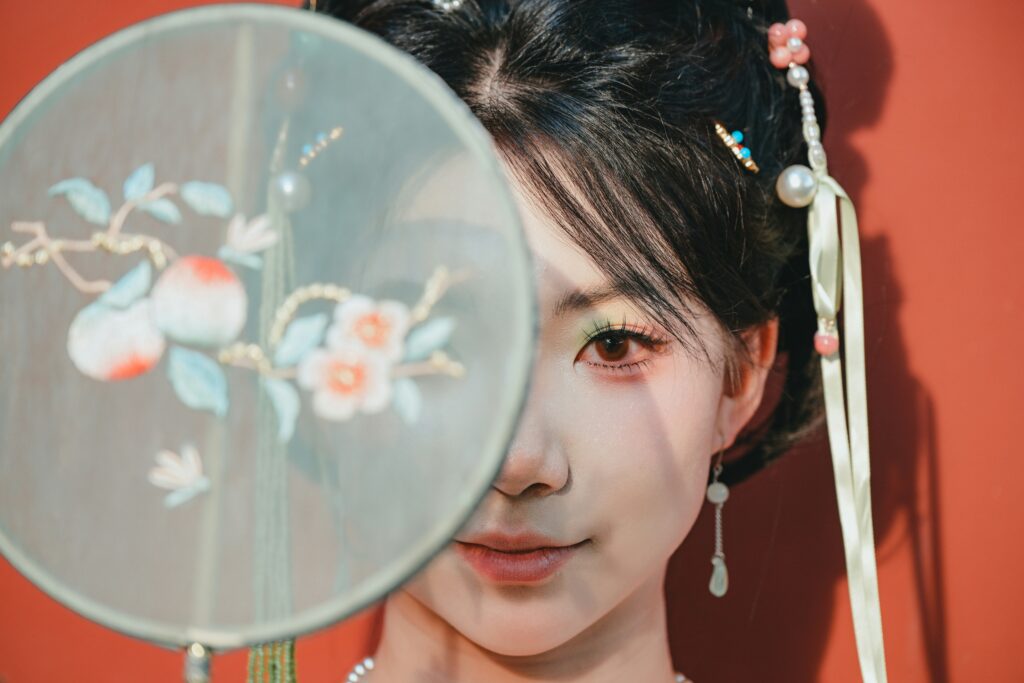
Much like how traditional Korean culture was once dismissed as cheap tourist souvenirs before being reinterpreted into a modern trend, how did this once-shunned Chinese aesthetic find its way into the preferences of today’s youth? Dismissing this as a fleeting fad overlooks a fundamental shift in how Gen Z consumes culture. This phenomenon is driven by a combination of evolving media environments, idol fandom culture, and a pragmatic attitude that strictly separates culture from politics.

What first broke down this cultural barrier was short-form media. On fast-paced feeds like Instagram Reels or TikTok, where content must capture attention within 15 seconds, the vivid colors, dramatic embroidered puffer jackets, and Douyin makeup style characteristic of Chinese trends function not as tackiness, but as high-impact visuals. As the term Jung-ti turned into a playful meme, the psychological threshold dropped even further. Phrases like “You look so Jung-ti today” are no longer insults meant to mock, but playful and affectionate teasing shared between friends over an exaggerated outfit. By treating the exaggerated style as a game rather than forcing it to look classy, initial resistance naturally faded away.
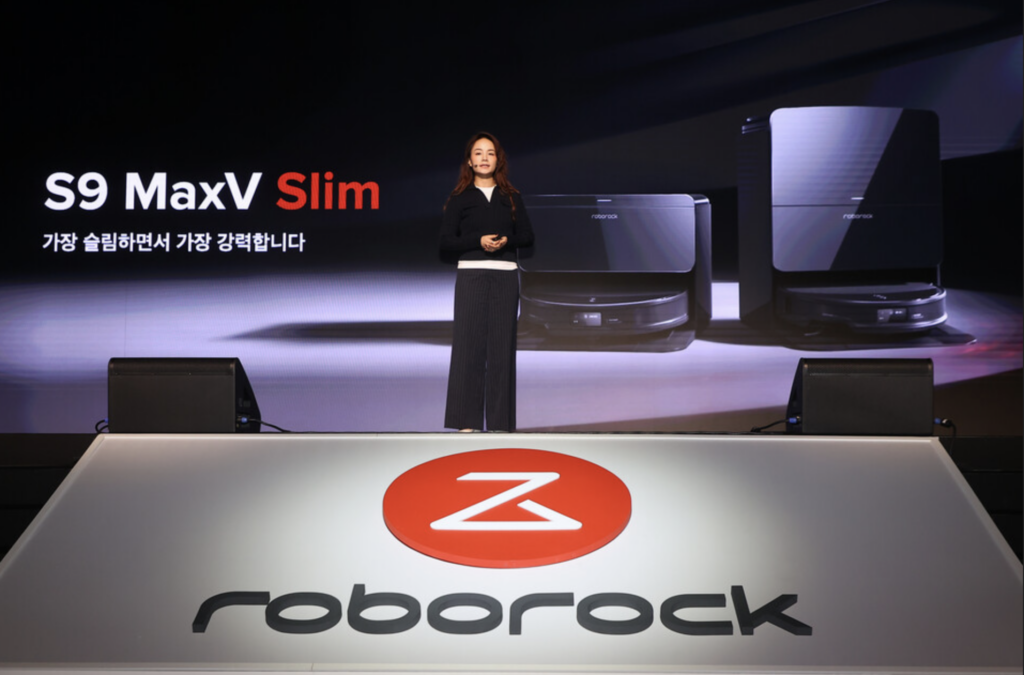
In the past, Korean consumers teased Xiaomi products as “mistakes of the mainland” or dismissed Dyson knockoffs as mere “Chysons,” reflecting a widespread belief that while Chinese goods were cheap, their quality could not be trusted. Today, however, Roborock has established itself as a market leader in robot vacuums, while DJI action cameras and Laifen hair dryers are recognized as high-end, well-made devices through word of mouth. Although less known in Korea, luxury leather brand Songmont and high-end jewelry label Laopu Gold are now seen as sophisticated brands worth checking out when visiting Shanghai. As these positive experiences accumulate, younger generations are coming to view Chinese brands not merely as budget options, but as emerging players in global lifestyle trends.

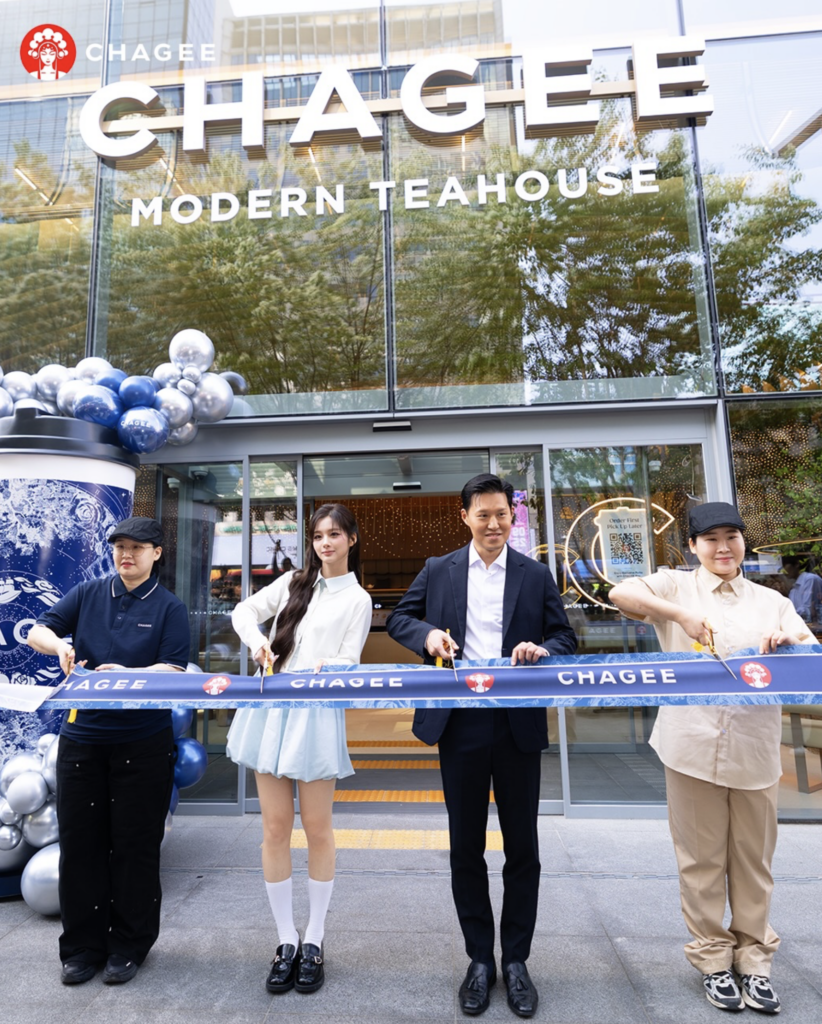
This shift extends beyond fashion and tech into everyday lifestyle habits. Food culture, which has become deeply embedded in Gen Z routines, tells a similar story. Activities like joining short-form video challenges for Haidilao’s table-side dances, or buying drinks from CHAGEE (a Chinese tea brand that went viral after IVE’s Jang Wonyoung featured it on Instagram), are no longer viewed as niche exotic experiences. Consuming intense, vibrant food culture as a form of social entertainment has played a key role in easing resistance to Jung-ti aesthetics.
Global members of K-pop groups have served as crucial bridges in translating these quirky trends into desirable tastes. High-profile Chinese idols like Zhang Hao of ZEROBASEONE and Ningning of aespa act as natural messengers, introducing authentic fashion, beauty, and lifestyle elements from their home country to Gen Z audiences. Exposed to these styles through the polished lens of the K-pop system, young consumers respond to talent and star power rather than national origins or political narratives. Styles worn by well-liked figures are transformed from alien concepts into aspirational trends worth trying.

Adding to this momentum is the direct appeal of Chinese entertainment content. Younger audiences increasingly enjoy the grand visuals of high-budget Xianxia fantasy and period dramas, while consuming micro-dramas with episodes lasting just one or two minutes during brief moments of downtime. Chinese historical series on Netflix have built dedicated fan bases for Chinese actors through grand scale and unfamiliar narratives rarely seen in Korean dramas. This raises the intriguing possibility that a China Wave could eventually compete with the global reach of the Korean Wave. Crucially, this reflects a complete separation of cultural consumption from political perceptions. For today’s consumers, the criteria are simple: “Is it entertaining, and is it visually engaging?” When content delivers immediate fun, national prejudices fade into the background, leaving only pure personal preference.

Ultimately, the growing popularity of Jung-ti does not necessarily signify a rise in political or national affinity toward China. Rather, it is the result of short-form media lowering barriers, K-pop idols bridging cultural gaps, and engaging content delivering straightforward entertainment. Instead of mocking unfamiliar styles, Gen Z approaches them with flexibility. Their ability to find fun in the unfamiliar, spot coolness in the exaggerated, and use difference as a tool for self-expression has fundamentally redefined what Jung-ti means today.

Key Takeaways

  1. Gen Z embraces the unfamiliar by reframing it as playful memes

Rather than forcing awkward or exaggerated styles into conventional luxury, consuming them through memes naturally dilutes resistance. Gen Z reinterprets aesthetics outside the mainstream as playful, self-expressive, and cool.

  1. Direct entertainment value and relatable messengers override preconceptions

Immediate visual appeal and familiar intermediaries, such as well-liked idols and influencers, open consumer minds far more effectively than rigid preconceptions. Brands should focus on clear, immediate charm rather than overly complex narratives.

  1. Lower cultural barriers expand rapidly across the entire lifestyle

A cultural threshold lowered in one format, such as short-form video, quickly spills over into daily habits like food culture and entertainment content. Brands must look beyond simple product sales and integrate into the lifestyle playgrounds of Gen Z.

How Gen Z is Redefining Perfume Consumption

In the first semester of 2026, Daniel conducted a workshop on Marketing Anthropology at Duksung Women’s University. Among the presentations, he introduces a fascinating case study highlighting Gen Z’s perfume consumption behaviors.

Beyond the Scent: How Gen Z is Redefining Perfume Consumption: Case Study of Tamburins

By Hee-joo Yoon (major: business administration) and Su-min Lee (major: anthropology)

When you shop for perfume, what is your primary decision-making factor? Most people would instantly answer that it is the scent. However, in the world of Gen Z consumerism, traditional retail rules are being turned completely upside down. By employing architectural observation and deep-dive interviews, this research focuses on the hit brand Tamburins to uncover why Gen Z buys perfume for reasons that go far beyond the physical scent.

Experiential Rituals: When a Store is a Museum

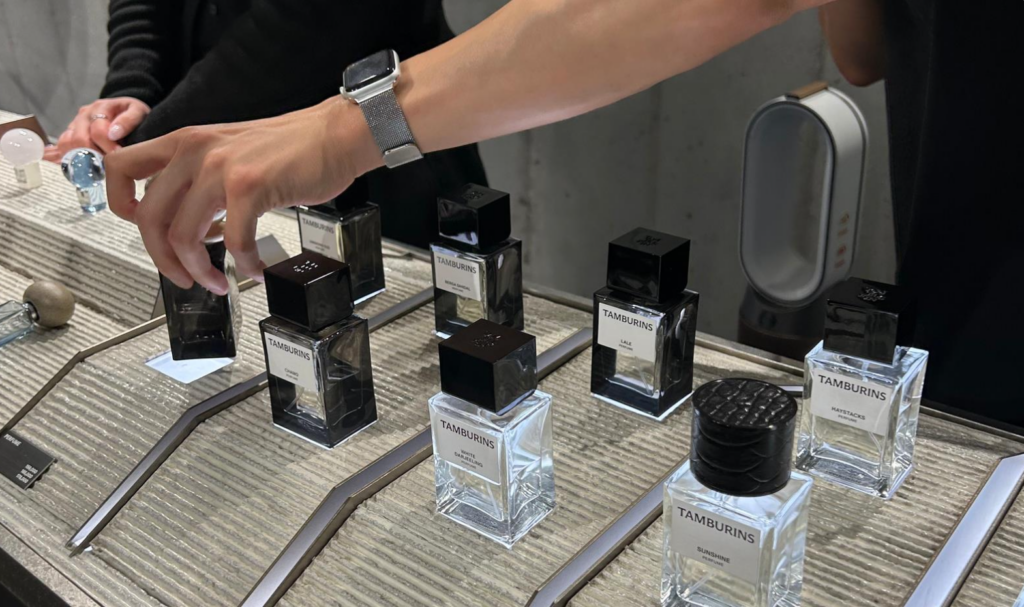
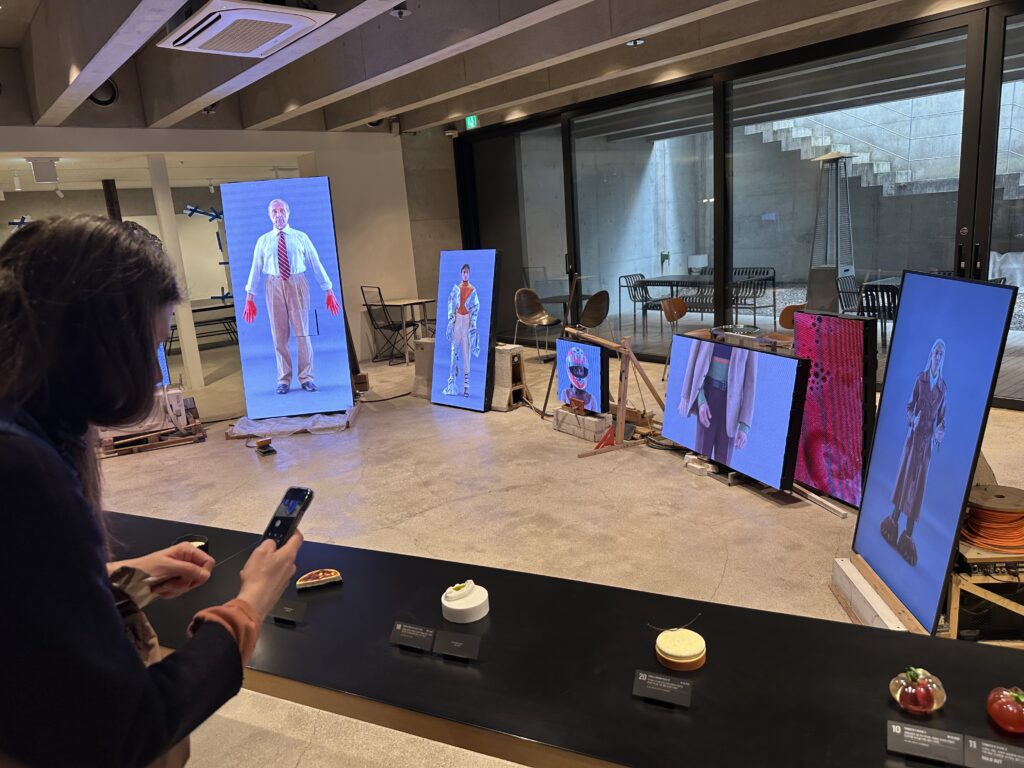
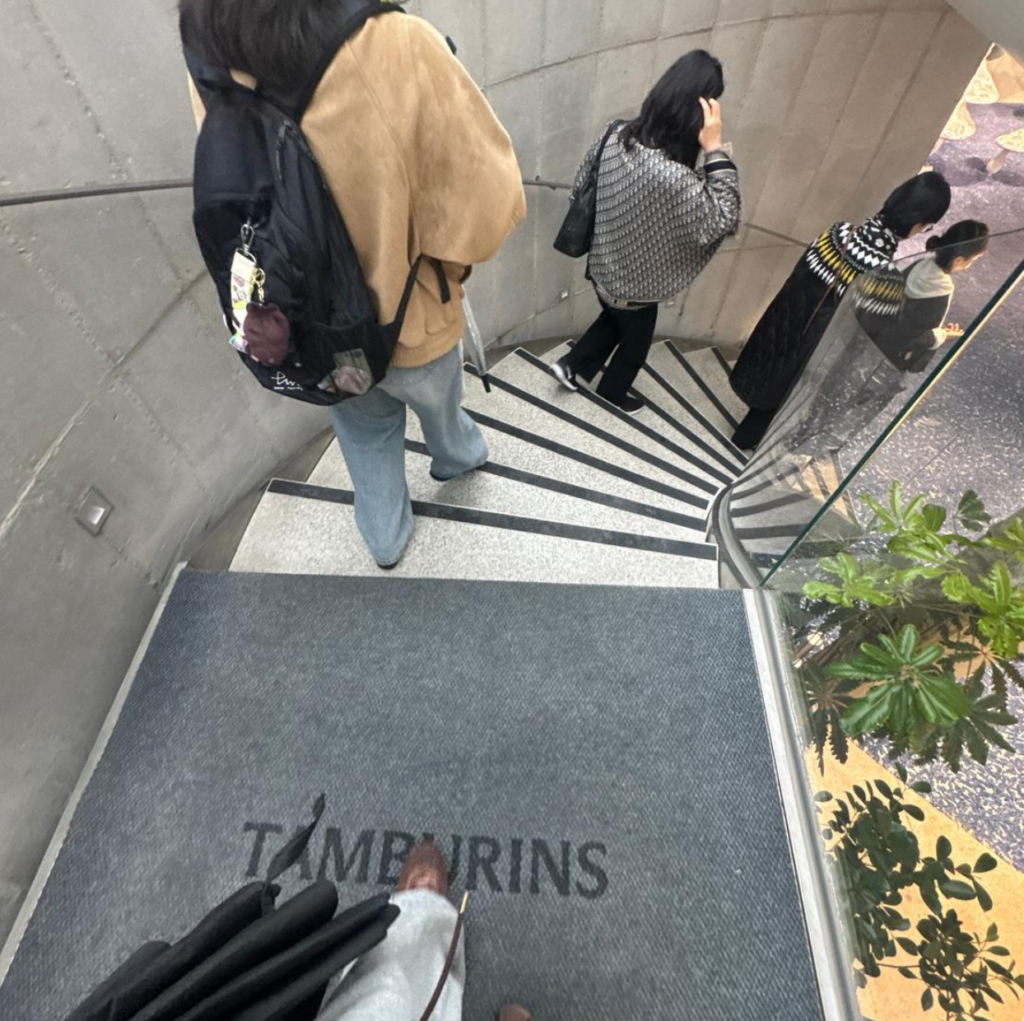
Walk into a Tamburins flagship store, like the one in Seongsu, and you might wonder if you accidentally stumbled into a contemporary art museum. The space is dominated by massive mushroom art installations and high-tech media displays that captivate visitors from the start. According to Victor Turner’s Ritual Process theory, the spatial layout of the store carefully crafts a transition from daily life into a branded universe.

This begins with a sense of separation at the ground level as you step away from the busy street. It moves into a liminal, transitional phase as you descend the stairs, leaving reality behind to enter the underground showroom. Interestingly, the study observed that consumers do not reach for their phone cameras during the actual smelling phase, but rather whip them out the moment they encounter the visual art installations. Gen Z is buying into the curated aesthetic long before they actually experience the physical product.

The Curated Performance: Staff as Museum Docents

What makes the Tamburins retail experience truly fascinating is how it subverts standard commercial sales. Instead of acting like traditional retail workers pushing for a quick transaction, the staff behave like museum docents guiding visitors through an exhibition.

To heighten the sense of ritual and exclusivity, the main product descriptions and recommendations are not just picked off a shelf. Instead, staff personalize the experience, making it deeply mysterious by stepping behind heavy curtains to retrieve smelling papers, each carefully inscribed with handwriting. This theatrical element elevates perfume shopping into an intimate, hidden performance, adding a layer of mystery and sacredness to the purchase process.

The Landscape of Scents: Translating Fragrance into Scenery

Because scent is invisible and difficult to communicate, Tamburins employees utilize a fascinating marketing technique, which can be termed “The Landscape of Scents.” Instead of rattling off chemical top notes, sales representatives translate smell into vivid, cinematic imagery. For example, they might describe a fragrance as smelling like “a misty, mossy forest,” or “the crisp night air over the Han River.”

By doing this, the brand does not just sell a perfume; they sell a scene. This approach also provides seasonal justification, such as advising that a scent is perfect for the changing weather, and seamlessly anchors environmental sensory experiences directly to their products.

The Paradox of Self-Satisfaction

When interviewed, Gen Z participants overwhelmingly claimed they wear perfume purely for self-satisfaction. However, a deep dive into their actual behaviors revealed a glaring contradiction to this narrative. Participants admitted they rarely wear perfume when staying home or doing solitary activities. One participant noted they would literally turn back home to get their perfume if they forgot it for a social gathering, feeling completely incomplete without it on that specific day. Another noted they refuse to wear their expensive perfume to part-time jobs because they do not want to waste it on the people they encounter there.

This aligns perfectly with Erving Goffman’s Self-Presentation Theory. Perfume is not viewed as a basic hygiene tool to remove body odor, which Gen Z categorizes strictly under soap or deodorants; rather, it acts as a deliberate aesthetic layer used to communicate identity on a social stage.

The Brand vs. Product Memory Dilemma

Despite Tamburins’ wild success in creating cultural buzz, the research highlighted a critical pain point for the brand regarding the asymmetry of memory. While consumers have incredibly vivid memories of the brand’s aesthetics, they have highly fragmented memories of the actual products.

On one hand, brand memory remains exceptionally sharp. Consumers easily recall the immersive Seongsu flagship store layout, the massive iconic mushroom installations, and high-profile celebrity ambassadors like Jennie or Felix. On the other hand, product memory is relatively soft. Spontaneous recall of fragrance names is highly limited outside of their hit scent, Chamo, and consumers often struggle to identify a unified product identity or a sense of historical heritage and prestige.

Consequently, interviewees positioned Tamburins in an awkward middle ground between mass-market commercial fragrances and luxury heritage perfume houses like Chanel, Diptyque, or Byredo. This reveals that while celebrity endorsements successfully drive initial awareness and curiosity, they ultimately fall short of building long-term trust in the complexity and quality of the fragrance itself.

Key Takeaways:

Aesthetics open the door, but the product anchors the room: Visual experiences and influencer triggers work beautifully for initial brand discovery, but long-term loyalty requires standalone product memorability.

Bridge the gap between message and substance: Gen Z consumers are highly perceptive. If a brand promotes hyper-individuality through its artistic marketing but offers a safe, highly mass-appealing scent, consumers will quickly spot the discrepancy.

Ultimately, Tamburins has proven that Gen Z does not just buy a product; they buy the architecture, the narrative, and the social currency that comes wrapped inside it.

Pilgrimage for Bread: Dessert as New Frontier of Gen Z Identity

By Tracy Shim

Even as a single slice of cake in Seoul’s trendiest districts begins to rival the price of a full meal, Gen Z consumers remain undeterred. Their willingness to pay a premium suggests that dessert has migrated from the realm of food to that of fashion. It is no longer about satisfying hunger but about validating one’s taste and aesthetic sensibilities, which is an emergent form of luxury. In an era of visual curation, a specific dessert brand functions as a digital business card that signals one’s trend awareness and social standing on Instagram.

This is a generation that prioritizes the acquisition of experience over mere ownership. The “Bread-grimage” (ppang-ji-sun-rye), which refers to the act of traveling across the country to visit a specific bakery, has become a modern ritual. The journey to an exotic space and the act of documenting a unique dessert is a powerful form of content creation. These visits are not just for eating because they allow individuals to curate a lifestyle and build cultural capital that can be shared and discussed.

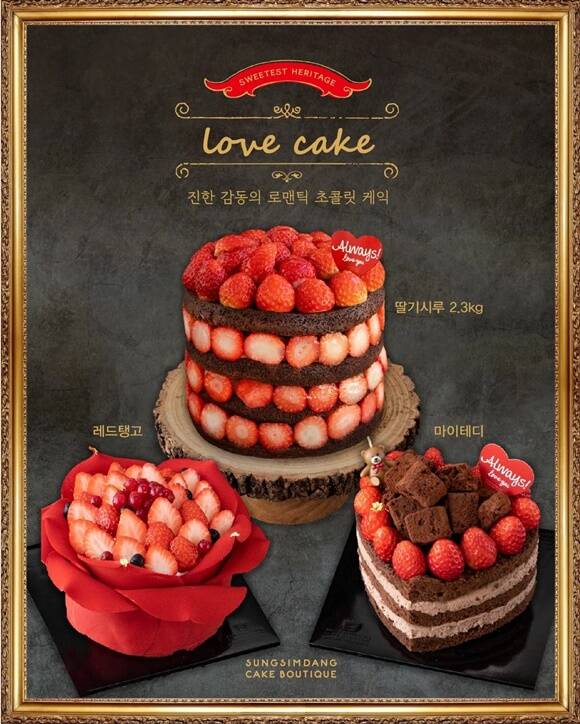
The visual impact is the ultimate currency in this market. Daejeon’s Sungsimdang serves as a perfect case study. While its heritage was built on traditional “Fried Soboro,” its recent nationwide explosion was driven by the “Strawberry Siru” cake. The overwhelming and photogenic visual of strawberries piled high was tailor-made for social media, turning a local bakery item into a viral experience.

During the Christmas season, customers had to wait in line for more than five hours in the cold streets to purchase Seongsimdang’s “Strawberry Siru” cake, and the very act of successfully buying it after such a long wait became a memorable form of experiential consumption in itself. In addition, while spending little on advertising, Sungsimdang has been generating positive viral brand awareness through donations and contributions to the local community.

Modern consumers are looking for a complete sensory narrative. They do not just judge the flavor but also consume the architecture, the lighting, and even the persona of the staff. Brands like NUDAKE have mastered this by abandoning traditional bakery tropes in favor of monochromatic and gallery-like spaces where staff move with the measured grace of curators. When the product, the environment, and the service align perfectly, it creates a sense of immersion that transcends a simple transaction. Here the taste itself may be almost meaningless.

Ultimately, indulging in an expensive dessert is an act of high-resolution self-expression. It is a small but calculated investment in one’s personal brand and aesthetic world. Dessert has evolved beyond a mere mealtime appendage to become a powerful fashion statement and the most concrete language through which Gen Z defines who they are.

Key Takeaways

  • The Transition from Edible to Expressive: Dessert has been redefined as an identity asset. For Gen Z, a premium dessert is less about calories and more about experience content, which is a visual material used to curate their identity on digital platforms.
  • The Power of Holistic Branding: Success in the modern dessert market requires more than just taste because it requires a cohesive sensory world. As seen with NUDAKE, brands that align their visual identity, spatial design, and staff persona create the kind of immersive experiences that foster deep consumer loyalty.
  • Designing for the Journey, Not Just the Product: The phenomenon of “Bread-grimage” reflects a broader shift in consumer behavior where bakeries, dessert shops, and cafés become cultural destinations rather than mere retail spaces. For Gen Z, the journey, waiting experience, and social documentation collectively create a sense of participation in an exclusive trend community.

Consuming Tradition: How Gen Z Rewrite Korean Cool

By Tracy Shim

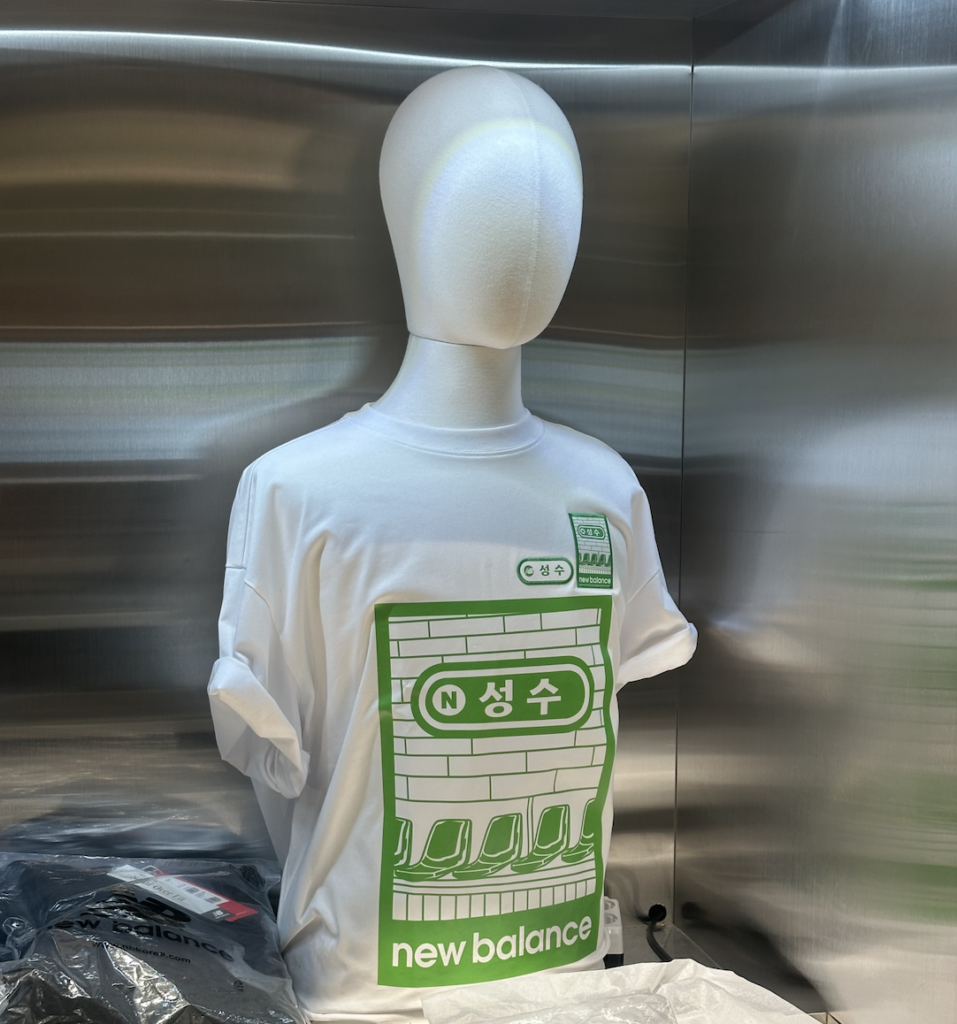
There was a time when anything labeled “Korean” was easily dismissed as old-fashioned or behind the times. Products rooted in traditional design were largely seen as souvenirs for tourists, and a T-shirt with an unfamiliar foreign phrase felt far more stylish than one printed in Hangul, the Korean writing system.

That perception has gradually changed. Hangul typography, reinterpreted as a graphic element rather than a symbol of identity, began appearing naturally in fashion. Accessories incorporating mother-of-pearl or traditional knotting techniques started to gain traction among younger consumers. A similar shift emerged in food culture. Cakes and macarons that once dominated social media feeds slowly gave way to “yakgwa”, a traditional Korean honey cookie, along with other traditional sweets and Korean teas.

Young dessert shop owners play a key role in this transition. Rather than presenting Korean desserts as heritage foods, they reframe these through visuals and atmospheres suited to contemporary media. With restrained sweetness and an understated aesthetic, these desserts proved just as visually compelling on social platforms. This movement gives rise to the term “halmae ipmat,” loosely translated as “grandma taste,” which describes a preference for understated, less sugary flavors. While the phrase literally refers to older generations’ tastes, in practice it reflects an ease with traditional preferences without the stigma of being outdated. In this sense, the term functions as a cultural buffer that lowers the emotional barrier to choosing tradition.

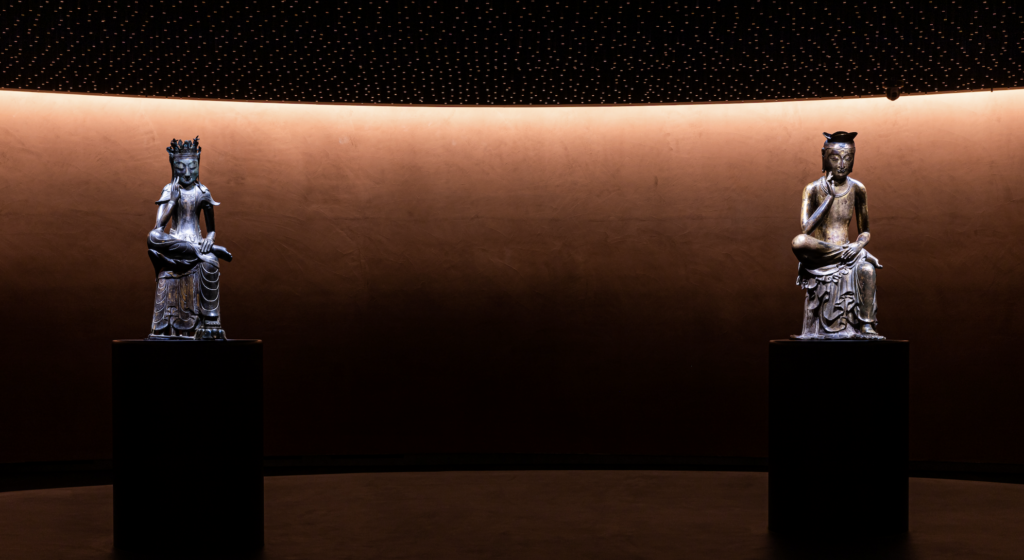
Institutional spaces also contribute to the spread of this sensibility. The National Museum of Korea plays a particularly visible role. In 2021, its exhibition ‘The Room of Quiet Contemplation’ presented only two National Treasure Buddhist statues. Low lighting and a circulation design encouraged visitors to linger. Rather than focusing on explanation, the exhibition emphasized presence and experience. For a generation accustomed to information overload, the absence of excessive interpretation felt refreshing. The space resonated naturally with Gen Z values around mindfulness, wellness, and slow living. It helped reposition the museum from a place of study to a destination people actively wanted to visit.

The Room of Quiet Contemplation ©National Museum of Korea

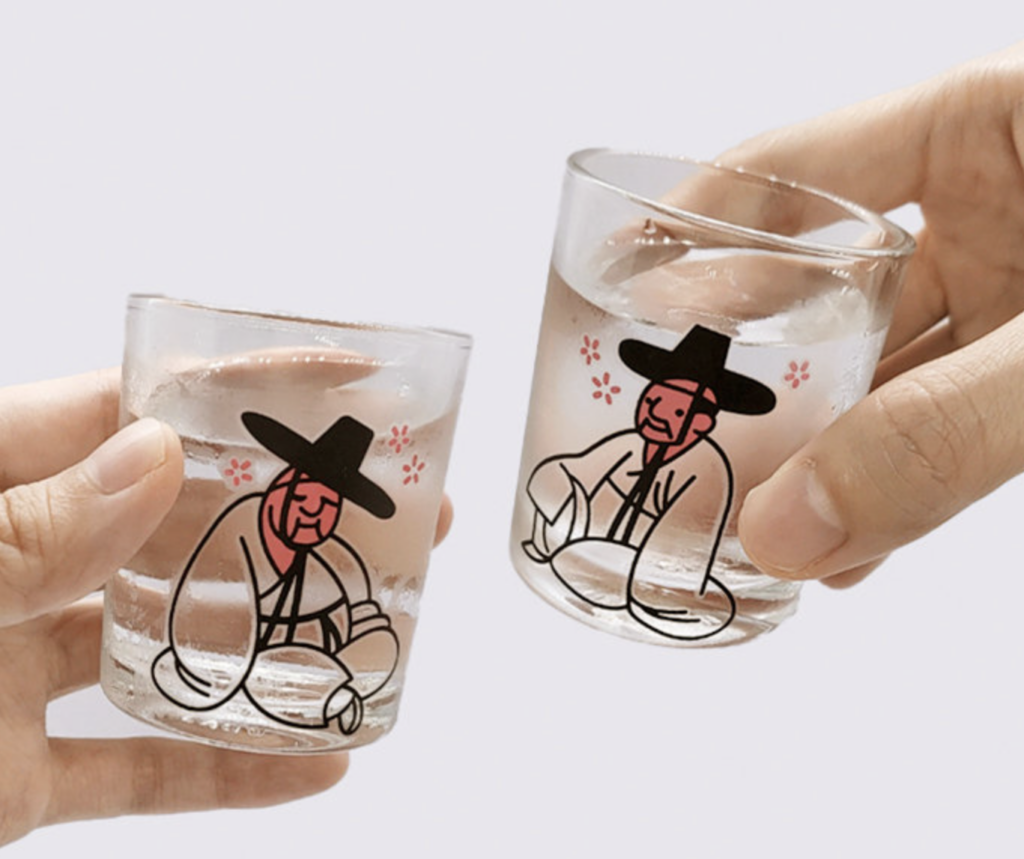
In 2025, the National Museum of Korea recorded approximately 6.5 million visitors, the highest annual figure in its history. Because the museum has maintained free admission for years, detailed demographic breakdowns are limited. That said, multiple qualitative observations suggest a clear rise in younger visitors. This shift was reinforced not only through exhibitions, but also through the museum’s merchandise strategy, officially branded as MU:DS. Products such as heat-reactive soju glasses, where a scholar’s face flushes red when cold liquor is poured, or incense sets shaped like a “buttumak,” a traditional Korean kitchen hearth, became items people lined up to purchase. Even a collaboration with Korea’s national baseball team, featuring traditional patterns on uniforms, resulted in products that sold out almost immediately.

Museum goods: heat-reactive soju glasses © National Museum Foundation of Korea

Then, when does “Korean” stop feeling outdated and begin to register as something young consumers could embrace, and even see as globally relevant? A clear inflection point appears around 2019, when BTS expanded their world tours and the movie ‘Parasite’ won the Palme d’Or at Cannes. Around this time, perceptions of Korean cultural elements began to shift. They were not yet widely labeled as “cool,” but they had become options young consumers could choose without hesitation.

Behind this shift lies the global success of K-pop and K-dramas. What matters is not simply that Korean content is popular overseas, but that this success is gradually internalized within Korea itself. Korean aesthetics and narratives are no longer seen as outputs that need to be adjusted to fit global standards. Instead, they begin to be understood as capable of functioning as global standards per se.

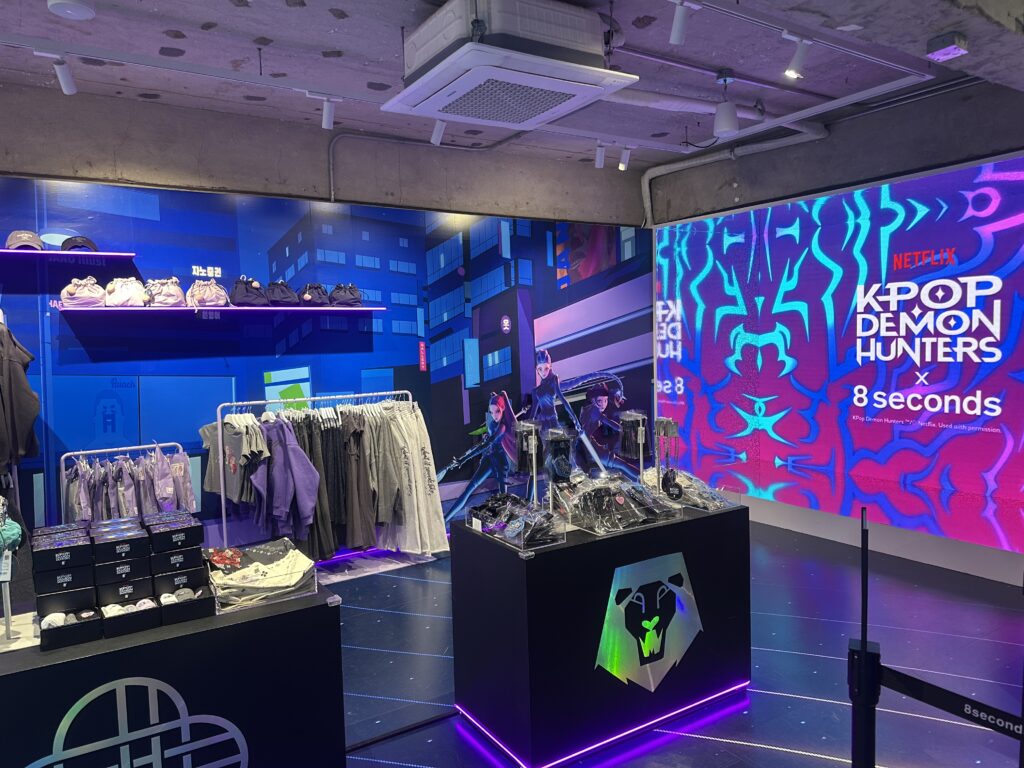
Around 2022, a more noticeable shift in attitude began to take shape among Gen Z. As global aesthetics became increasingly familiar after the pandemic, the pressure to look like a foreign brand or emulate international styles visibly weakened. From this point on, “cool” was no longer defined by proximity to overseas trends. Instead, it came to be understood as a combination of novelty, identity, and narrative context. Korean elements were no longer obstacles to overcome, but resources for differentiation, and younger consumers began expressing them openly rather than masking them. This mindset spread across categories, from food and merchandise to exhibitions and fashion, reinforcing the idea that Korean tradition could resonate not only with younger domestic audiences but also within global cultural contexts. In this context, the global success of K-Pop Demon Hunters in 2025 further amplified this shift.

Preserving tradition is no longer seen as maintaining old forms exactly as they were. Instead, a broader consensus is forming around the idea that tradition survives by being continually translated into the language of its time, without losing its essence. What was once criticized as distortion is now increasingly viewed as a way of sustaining and extending cultural vitality. Tradition, in this sense, is no longer something to be protected as a fixed form. It is a cultural asset that endures only when it is repeatedly appreciated and consumed within everyday life.

Key Takeaways

  1. Tradition should be designed to be consumed, not explained
    When tradition is over-explained or overly emphasized, it tends to feel heavy again. For today’s consumers, tradition resonates most when it is designed to be consumed, rather than explained or justified.
  2. Everyday relevance matters more than reverence
    The most effective way to respect tradition is not by elevating it, but by integrating it into daily choices. Younger audiences want to consume tradition, not study it.
  3. Mimicking global aesthetics is no longer a safe strategy
    Since 2022, overly globalized visuals risk feeling anonymous. Differentiation is now made by how clearly a brand expresses its original character, not by how closely it resembles others.
  4. Let younger generations lead the translation
    Tradition survives when it is reinterpreted by those who actively shape contemporary culture. In many cases, allowing experimentation sustains tradition more effectively than trying to preserve it unchanged.
  5. Tradition must function as a system, not a campaign
    Short-term collaborations or events do not last long. Tradition becomes a real brand asset when it is used consistently across products, spaces, and communication.


Why C-Beauty Is Capturing the Hearts of Korean Gen Z

By Tracy Shim

In South Korea, K-beauty’s focus on healthy, natural skin has shaped a beauty landscape that aligns with the broader fashion trend of “effortless chic.” But now, a new aesthetic sensibility is emerging among Gen Z. Fueled by short form video culture, algorithm-driven discovery, and the pursuit of instant visual impact, this shift signals a fundamental change in how young consumers perceive beauty. At the center of this transformation is C-beauty – Chinese cosmetic brands that are redefining how beauty looks, feels, and circulates on social media.

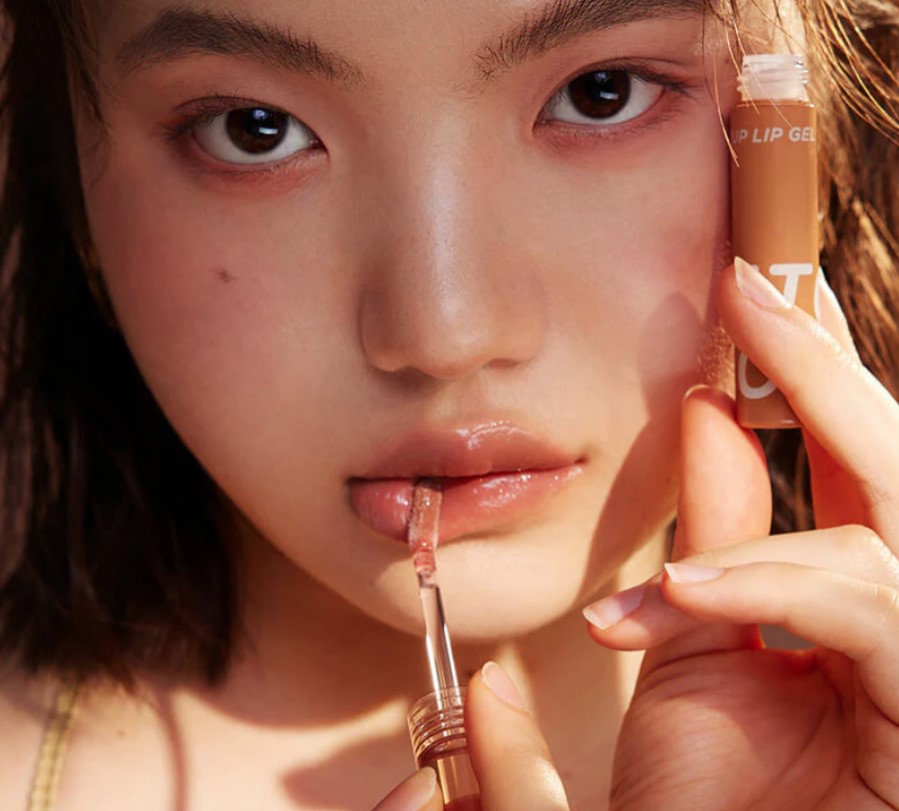
©INTO YOU Cosmetics

For Korean Gen Z, beauty begins on the screen. Having grown up with smartphones in hand, they express and shape their identities through TikTok, Instagram Reels, and YouTube Shorts. Within these feeds, attention is the main currency, and C-beauty speaks that visual language fluently. On Douyin(抖音), China’s version of TikTok, “Douyin makeup” has become a viral template: sharp contours, long eye lashes, glossy gradients, and a camera-ready glow can transform a face in seconds. As these aesthetics spill over Korean TikTok and Pinterest, they bring a bold, expressive energy that instantly captivates young audiences.

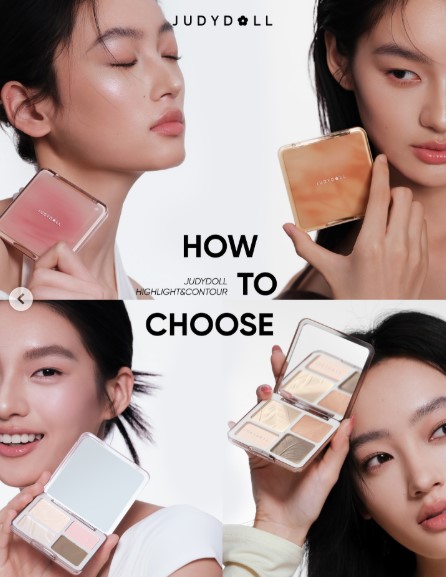
Price accessibility adds another layer of appeal. For students and young professionals balancing style aspirations with financial realities, C-beauty offers freedom to experiment without guilt. Lip muds from brands like ‘Into You’ or vivid palettes from ‘Judydoll’ deliver high-quality colors and textures at a fraction of luxury prices. Social validation amplifies the effect – once a product earns online praise from peers, curiosity quickly turns into trial and purchase. In a generation where recommendations spread faster than ads, authenticity matters more than aspiration.

©Judydoll

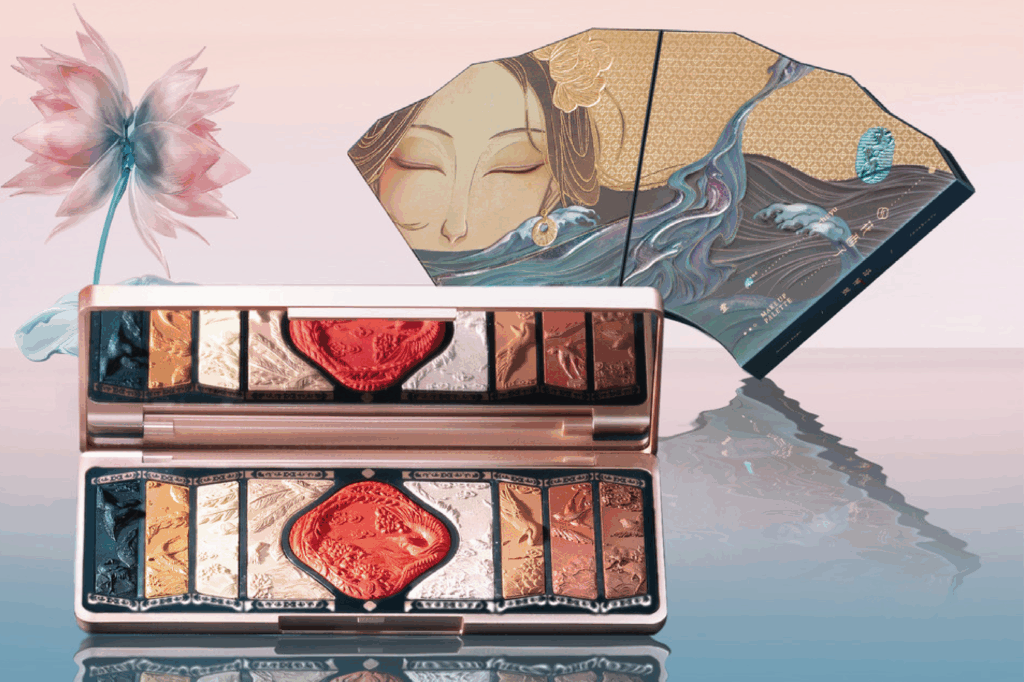
Design is another key factor behind C-beauty’s appeal. Brands such as ‘Florasis’ have perfected the art of cultural storytelling through visual craftsmanship, drawing on motifs from classical Chinese art and architecture to create artistically designed compacts that feel both collectible and expressive. For many young consumers in Korea, these items function as cosmetics and lifestyle objects at once. When packaging itself becomes an act of self-expression, every product naturally becomes content worth sharing.

Of course, C-beauty’s growth hasn’t been without challenges. Some early leaders struggled with brand fatigue and market saturation, showing that viral popularity alone cannot sustain long-term growth. Yet the broader momentum remains strong because it mirrors the rhythm of Gen Z consumption – fast-evolving, visually driven, and emotionally charged.

@Florasis

For global brands observing this shift, the lesson is not just about cosmetics. It is about how a generation builds meaning through what they see, share, and create together. C-beauty’s success in Korea shows that beauty today is not only about looks but also about expression. Gen Z cares more about showing how they feel, and C-beauty understands that naturally.

KPOP DEMON HUNTERS: For Gen Z, Emotion Matters More Than Reality


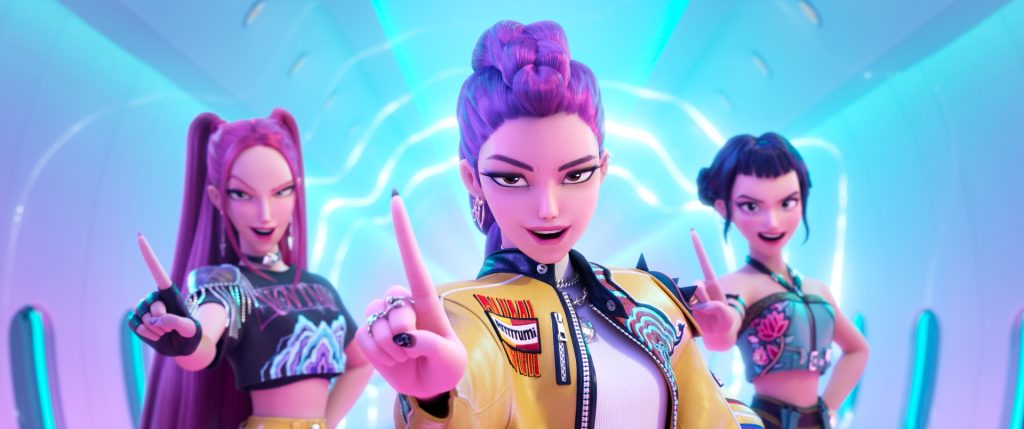
KPOP DEMON HUNTERS – (L-R) Mira, Rumi and Zoey. ©2025 Netflix

By Tracy Shim

As true digital natives, Gen Z does not define “real” by physical presence. For them, reality lies in emotional truth, narrative depth, and the sense of connection – even if the characters aren’t human. Nowhere is this more evident than in the explosive popularity of KPOP DEMON HUNTERS. The Netflix animated series fuses idol culture, fantasy action, and K-pop performance into a bold new genre of fandom experience.

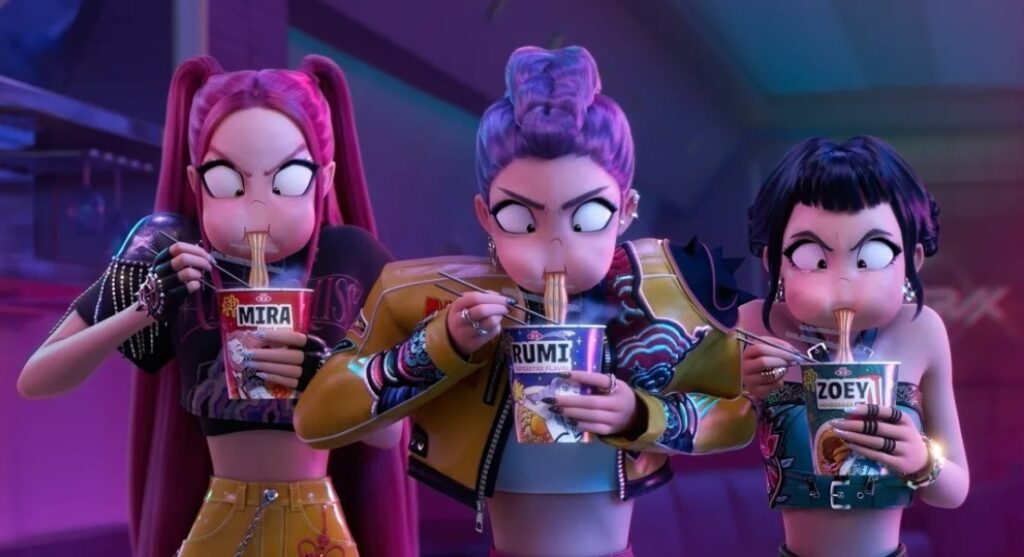
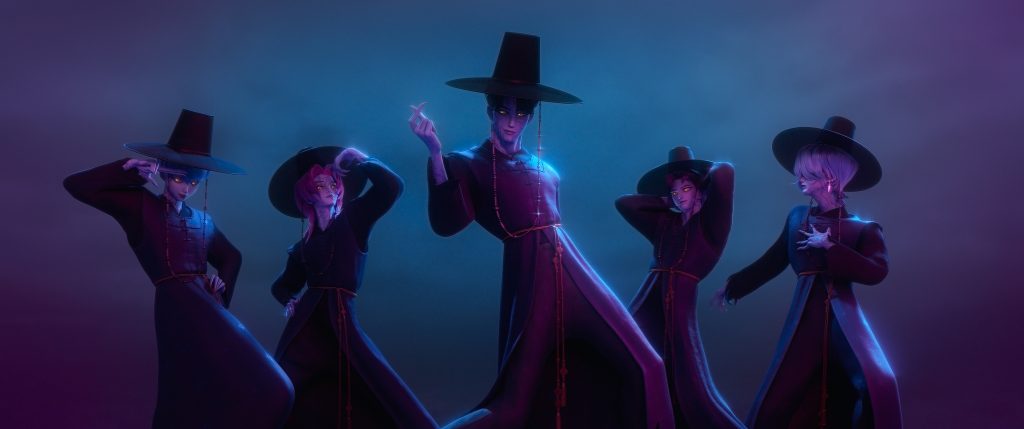
The show follows Huntrix, a virtual girl group who juggle their life as K-pop idols with a secret mission as demon hunters. and Saja Boys, their dark and powerful counterparts. The story might seem unrealistic, but that’s exactly what makes it exciting. For Gen Z, this kind of exaggerated fantasy doesn’t break immersion – it draws them in even more. The narrative speaks directly to Gen Z’s emotional world, exploring themes like identity conflict, personal trauma, and the search for belonging. The fantasy is loud, but the emotions are real.

What sets Gen Z apart is how naturally they accept virtual characters as emotionally real. Idols don’t need to exist physically to feel authentic. They embrace virtual groups like Huntrix and PLAVE with the same energy they give to traditional K-pop stars. Even when the voice actors or motion-capture performers are revealed, the fandom’s focus remains on the characters themselves. For them, there is no contradiction between fiction and fandom – only connection.

KPOP DEMON HUNTERS – Members of Huntrix eating cup ramyeon. ©2025 Netflix

This marks a clear departure from earlier generations, who often drew clear lines between real people and fictional ones. For them, knowing a character isn’t real can make it harder to fully engage with the story. For Gen Z, it’s the opposite – it enhances the experience. What matters is not whether a character exists in the traditional sense, but how the character makes them feel.

This acceptance extends to imperfections too. Animation glitches, awkward expressions, or sync issues aren’t seen as flaws – they are part of the charm. Fans turn these moments into memes, inside jokes, and cultural artifacts. These quirks don’t break immersion – they signal life, personality and authenticity.

Because Gen Z sees virtual characters as “real” in their own way, they don’t just watch – they participate. They write fanfiction, create AI-generated fan art, edit TikTok shorts, and even host birthday café events for characters who don’t physically exist. To them, co-creating with virtual idols feels as authentic as engaging with real ones.

KPOP DEMON HUNTERS – Saja Boys wearing Korean traditional hats (gat). ©2025 Netflix

For anyone creating content or building a brand, this is a signal worth paying attention to. Gen Z isn’t chasing realism – they’re chasing resonance. They respond to characters and stories that feel emotionally true. If that connection exists, it doesn’t matter whether the character is virtual or human – Gen Z will show up, tune in, and create around it. In a culture where feeling outweighs form, KPOP DEMON HUNTERS is more than entertainment. It’s proof that Gen Z is quietly redefining what it means to be real.

Why Gen Z is Enthusiastic about Little Cute Things

By Tracy Shim

For Gen Z, the growing obsession with cute and harmless things such as character IPs, miniature merchandise, and emojis goes beyond personal taste. It signals a deeper emotional reality for many Gen Zs, who face anxiety fueled by unstable job prospects, emotionally draining relationships, constant social competition, and a sense of losing control over the future.

In this environment, soft and gentle visuals help people feel safe and relaxed. For many young people, such visuals provide a moment of emotional relief from the stress and pressure of everyday life.

Psychology also helps explain this trend. In Japan, the concept of “kawaii (かわいい),” or cuteness, implies warmth, innocence, and emotional safety. A study from Hiroshima University demonstrates that viewing cute images improves focus and emotional response. This aligns with the “baby schema” theory in evolutionary psychology. For instance, features like big eyes and round faces activate our instinct to nurture and create emotional bonds.

These psychological responses help explain why certain characters resonate so deeply with young people today. Many are drawn to intentionally imperfect character designs that reflect their own emotional state.

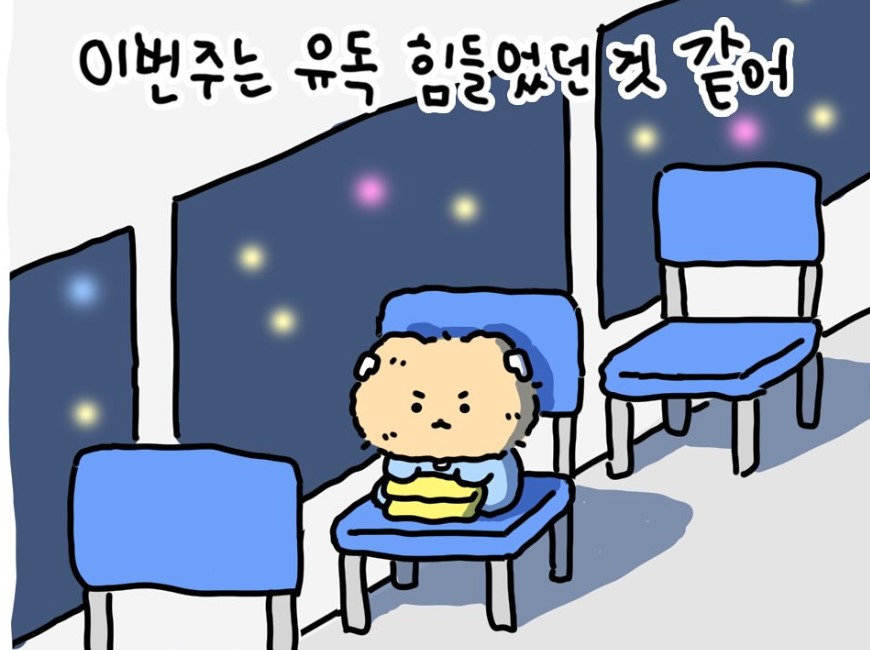
Image from Instagram @yurang_official

In Korea, characters like “Broken Bear” (Manggureojin Gom) and “Small Cute Chiikawa” (Meonjakgwi) are especially loved by young people. Their uneven lines and awkward expressions may reflect the emotional state of many Gen Zs. This makes them feel imperfect but relatable. People see themselves in these characters and feel an unexpected sense of sympathy.

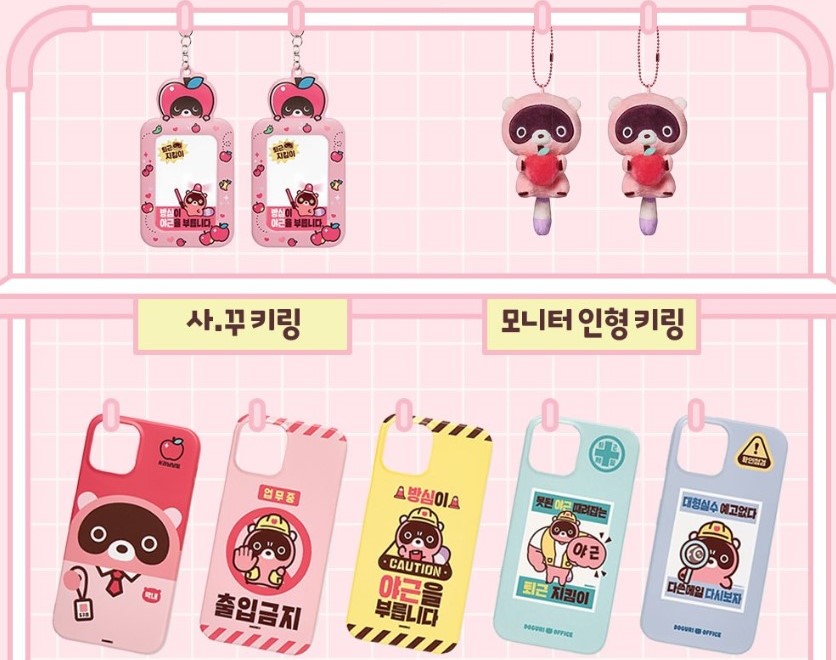
Some characters connect not just through visual traits but through empathy. With phrases like “It is okay not to try so hard,” characters such as “Gosim” (Choigosim) and “Doguri” comfort those young people who feel emotionally drained, and have built large online followings.

As this emotional shift grows stronger, more brands are jumping into character collaborations and seeing results. Brands like Olive Young and Mega Coffee have launched character-themed campaigns that not only sell out quickly but also drive strong customer engagement. Recent retail data supports this trend, showing double-digit growth in character items and blind box collectibles, along with increased sales and customer retention. Some brands like Samyang and LG U+ have even created their own characters, highlighting the growing recognition that character IPs can be powerful brand assets when supported by a clear strategy.

Image from Instagram @doguri_official

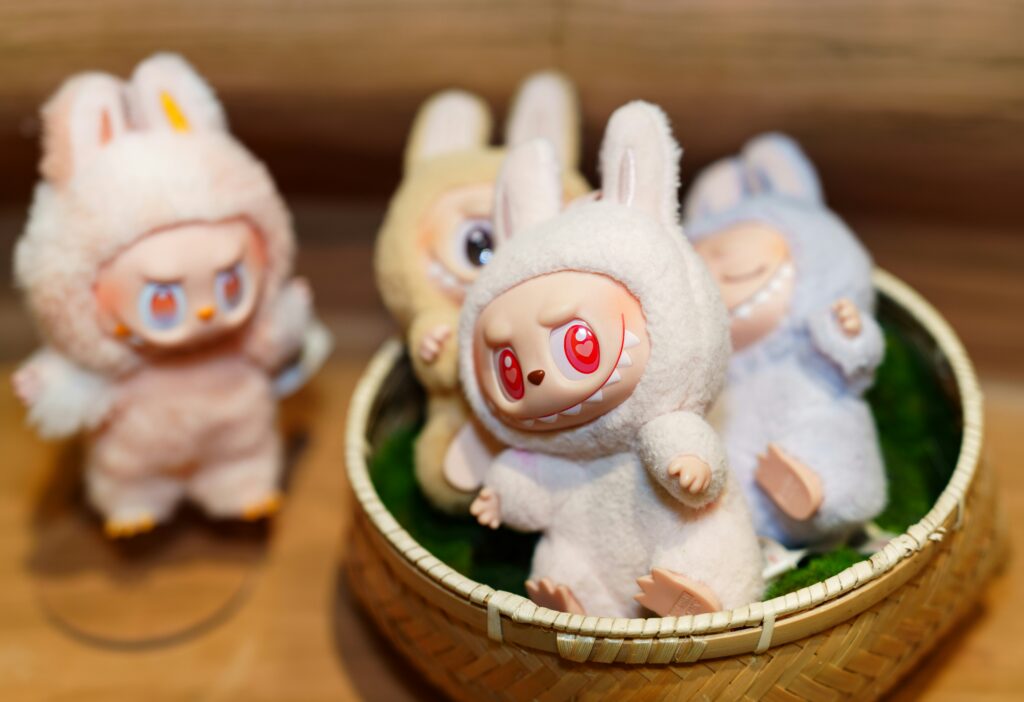
There is also a tangible shift in what young people carry and consume. Miniature figures, plushies, and especially character key rings are wildly popular. It is common to see high-end handbags decorated with multiple cute key chains, a visual mix of luxury and emotional softness. These are not just accessories. They are emotional anchors.

This emotional connection offers a meaningful opportunity for brands. If a brand aims to use characters in its marketing, the key is to understand Gen Z’s emotional needs and create characters with depth, authenticity, and a clear narrative. That is how lasting loyalty is built.