How Gen Z is Redefining Perfume Consumption

In the first semester of 2026, Daniel conducted a workshop on Marketing Anthropology at Duksung Women’s University. Among the presentations, he introduces a fascinating case study highlighting Gen Z’s perfume consumption behaviors.

Beyond the Scent: How Gen Z is Redefining Perfume Consumption: Case Study of Tamburins

By Hee-joo Yoon (major: business administration) and Su-min Lee (major: anthropology)

When you shop for perfume, what is your primary decision-making factor? Most people would instantly answer that it is the scent. However, in the world of Gen Z consumerism, traditional retail rules are being turned completely upside down. By employing architectural observation and deep-dive interviews, this research focuses on the hit brand Tamburins to uncover why Gen Z buys perfume for reasons that go far beyond the physical scent.

Experiential Rituals: When a Store is a Museum

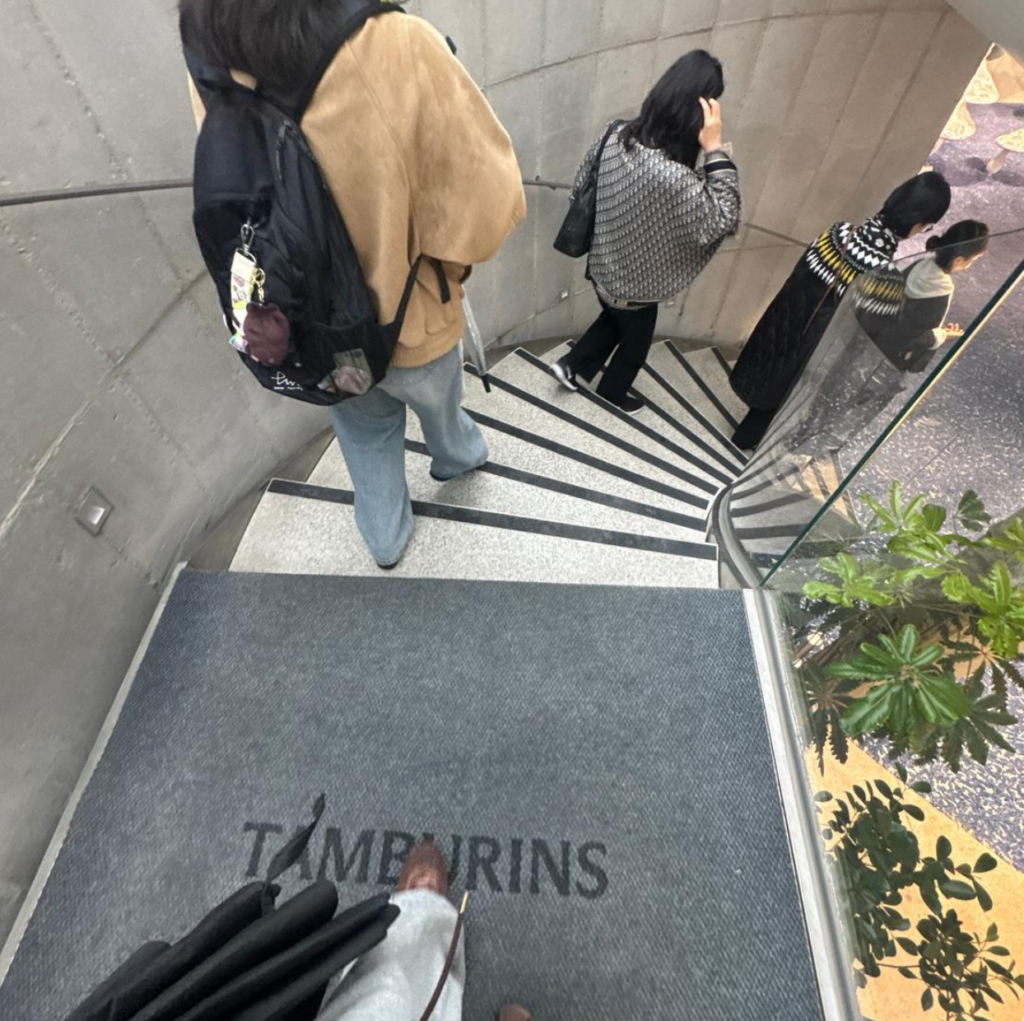
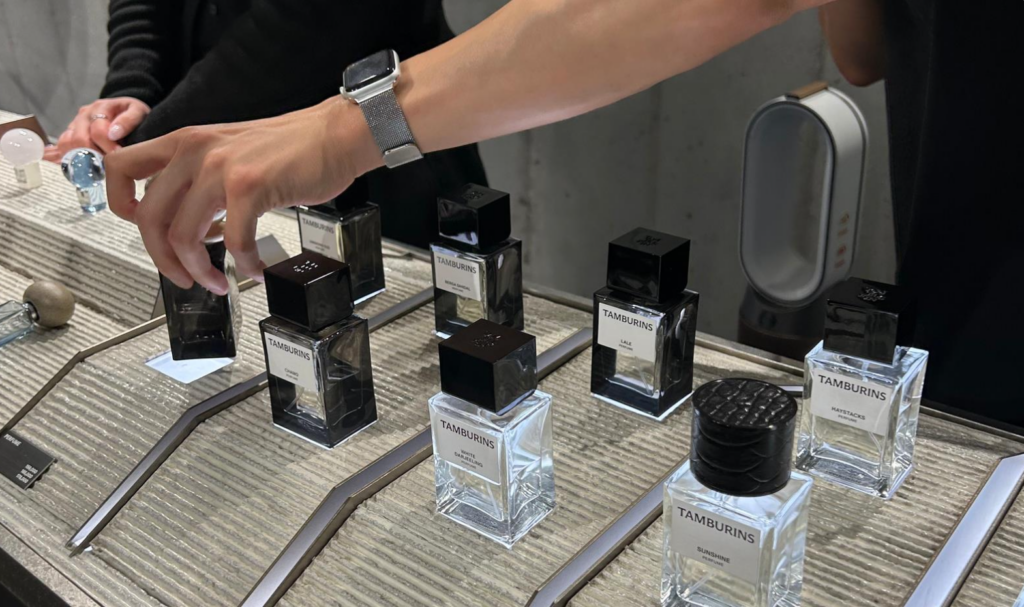
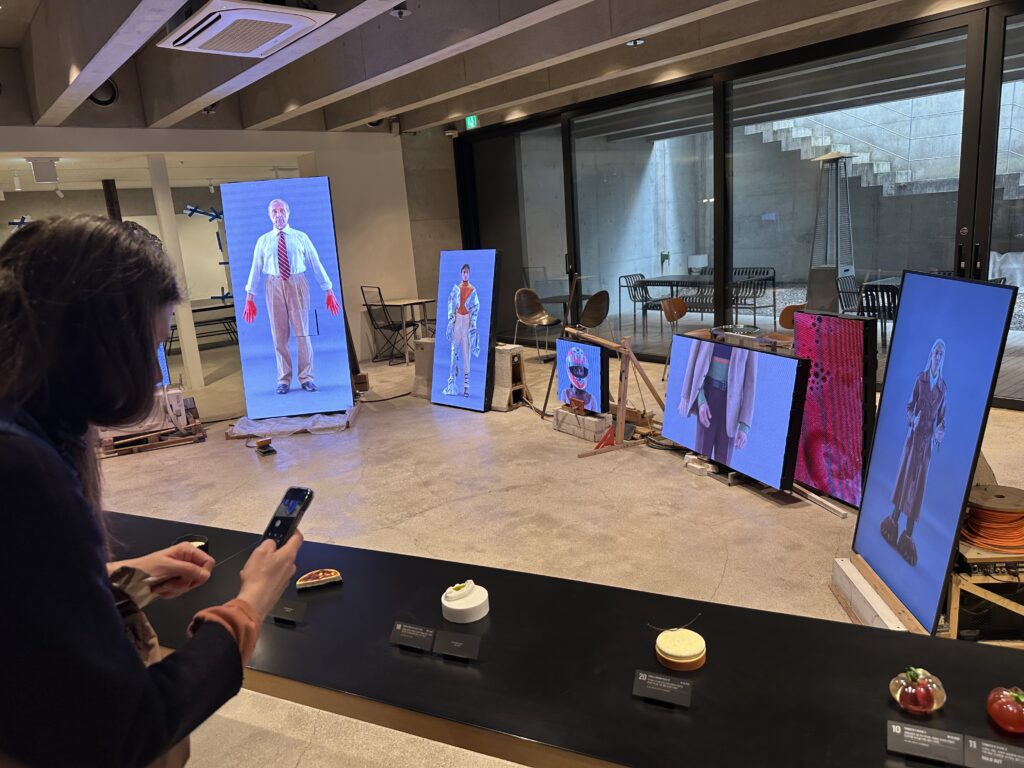
Walk into a Tamburins flagship store, like the one in Seongsu, and you might wonder if you accidentally stumbled into a contemporary art museum. The space is dominated by massive mushroom art installations and high-tech media displays that captivate visitors from the start. According to Victor Turner’s Ritual Process theory, the spatial layout of the store carefully crafts a transition from daily life into a branded universe.

This begins with a sense of separation at the ground level as you step away from the busy street. It moves into a liminal, transitional phase as you descend the stairs, leaving reality behind to enter the underground showroom. Interestingly, the study observed that consumers do not reach for their phone cameras during the actual smelling phase, but rather whip them out the moment they encounter the visual art installations. Gen Z is buying into the curated aesthetic long before they actually experience the physical product.

The Curated Performance: Staff as Museum Docents

What makes the Tamburins retail experience truly fascinating is how it subverts standard commercial sales. Instead of acting like traditional retail workers pushing for a quick transaction, the staff behave like museum docents guiding visitors through an exhibition.

To heighten the sense of ritual and exclusivity, the main product descriptions and recommendations are not just picked off a shelf. Instead, staff personalize the experience, making it deeply mysterious by stepping behind heavy curtains to retrieve smelling papers, each carefully inscribed with handwriting. This theatrical element elevates perfume shopping into an intimate, hidden performance, adding a layer of mystery and sacredness to the purchase process.

The Landscape of Scents: Translating Fragrance into Scenery

Because scent is invisible and difficult to communicate, Tamburins employees utilize a fascinating marketing technique, which can be termed “The Landscape of Scents.” Instead of rattling off chemical top notes, sales representatives translate smell into vivid, cinematic imagery. For example, they might describe a fragrance as smelling like “a misty, mossy forest,” or “the crisp night air over the Han River.”

By doing this, the brand does not just sell a perfume; they sell a scene. This approach also provides seasonal justification, such as advising that a scent is perfect for the changing weather, and seamlessly anchors environmental sensory experiences directly to their products.

The Paradox of Self-Satisfaction

When interviewed, Gen Z participants overwhelmingly claimed they wear perfume purely for self-satisfaction. However, a deep dive into their actual behaviors revealed a glaring contradiction to this narrative. Participants admitted they rarely wear perfume when staying home or doing solitary activities. One participant noted they would literally turn back home to get their perfume if they forgot it for a social gathering, feeling completely incomplete without it on that specific day. Another noted they refuse to wear their expensive perfume to part-time jobs because they do not want to waste it on the people they encounter there.

This aligns perfectly with Erving Goffman’s Self-Presentation Theory. Perfume is not viewed as a basic hygiene tool to remove body odor, which Gen Z categorizes strictly under soap or deodorants; rather, it acts as a deliberate aesthetic layer used to communicate identity on a social stage.

The Brand vs. Product Memory Dilemma

Despite Tamburins’ wild success in creating cultural buzz, the research highlighted a critical pain point for the brand regarding the asymmetry of memory. While consumers have incredibly vivid memories of the brand’s aesthetics, they have highly fragmented memories of the actual products.

On one hand, brand memory remains exceptionally sharp. Consumers easily recall the immersive Seongsu flagship store layout, the massive iconic mushroom installations, and high-profile celebrity ambassadors like Jennie or Felix. On the other hand, product memory is relatively soft. Spontaneous recall of fragrance names is highly limited outside of their hit scent, Chamo, and consumers often struggle to identify a unified product identity or a sense of historical heritage and prestige.

Consequently, interviewees positioned Tamburins in an awkward middle ground between mass-market commercial fragrances and luxury heritage perfume houses like Chanel, Diptyque, or Byredo. This reveals that while celebrity endorsements successfully drive initial awareness and curiosity, they ultimately fall short of building long-term trust in the complexity and quality of the fragrance itself.

Key Takeaways:

Aesthetics open the door, but the product anchors the room: Visual experiences and influencer triggers work beautifully for initial brand discovery, but long-term loyalty requires standalone product memorability.

Bridge the gap between message and substance: Gen Z consumers are highly perceptive. If a brand promotes hyper-individuality through its artistic marketing but offers a safe, highly mass-appealing scent, consumers will quickly spot the discrepancy.

Ultimately, Tamburins has proven that Gen Z does not just buy a product; they buy the architecture, the narrative, and the social currency that comes wrapped inside it.

Pilgrimage for Bread: Dessert as New Frontier of Gen Z Identity

By Tracy Shim

Even as a single slice of cake in Seoul’s trendiest districts begins to rival the price of a full meal, Gen Z consumers remain undeterred. Their willingness to pay a premium suggests that dessert has migrated from the realm of food to that of fashion. It is no longer about satisfying hunger but about validating one’s taste and aesthetic sensibilities, which is an emergent form of luxury. In an era of visual curation, a specific dessert brand functions as a digital business card that signals one’s trend awareness and social standing on Instagram.

This is a generation that prioritizes the acquisition of experience over mere ownership. The “Bread-grimage” (ppang-ji-sun-rye), which refers to the act of traveling across the country to visit a specific bakery, has become a modern ritual. The journey to an exotic space and the act of documenting a unique dessert is a powerful form of content creation. These visits are not just for eating because they allow individuals to curate a lifestyle and build cultural capital that can be shared and discussed.

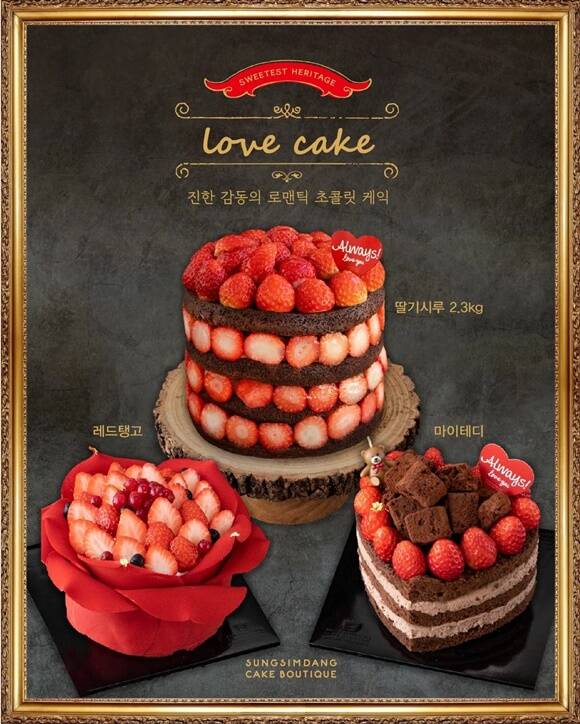
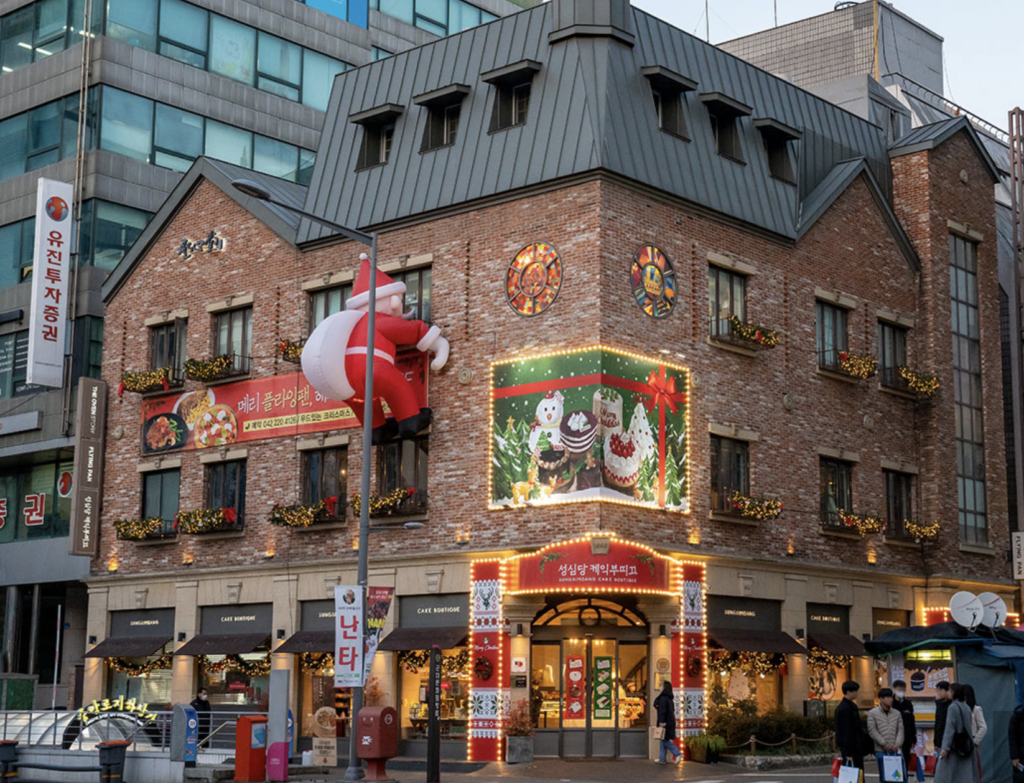
The visual impact is the ultimate currency in this market. Daejeon’s Sungsimdang serves as a perfect case study. While its heritage was built on traditional “Fried Soboro,” its recent nationwide explosion was driven by the “Strawberry Siru” cake. The overwhelming and photogenic visual of strawberries piled high was tailor-made for social media, turning a local bakery item into a viral experience.

During the Christmas season, customers had to wait in line for more than five hours in the cold streets to purchase Seongsimdang’s “Strawberry Siru” cake, and the very act of successfully buying it after such a long wait became a memorable form of experiential consumption in itself. In addition, while spending little on advertising, Sungsimdang has been generating positive viral brand awareness through donations and contributions to the local community.

Modern consumers are looking for a complete sensory narrative. They do not just judge the flavor but also consume the architecture, the lighting, and even the persona of the staff. Brands like NUDAKE have mastered this by abandoning traditional bakery tropes in favor of monochromatic and gallery-like spaces where staff move with the measured grace of curators. When the product, the environment, and the service align perfectly, it creates a sense of immersion that transcends a simple transaction. Here the taste itself may be almost meaningless.

Ultimately, indulging in an expensive dessert is an act of high-resolution self-expression. It is a small but calculated investment in one’s personal brand and aesthetic world. Dessert has evolved beyond a mere mealtime appendage to become a powerful fashion statement and the most concrete language through which Gen Z defines who they are.

Key Takeaways

  • The Transition from Edible to Expressive: Dessert has been redefined as an identity asset. For Gen Z, a premium dessert is less about calories and more about experience content, which is a visual material used to curate their identity on digital platforms.
  • The Power of Holistic Branding: Success in the modern dessert market requires more than just taste because it requires a cohesive sensory world. As seen with NUDAKE, brands that align their visual identity, spatial design, and staff persona create the kind of immersive experiences that foster deep consumer loyalty.
  • Designing for the Journey, Not Just the Product: The phenomenon of “Bread-grimage” reflects a broader shift in consumer behavior where bakeries, dessert shops, and cafés become cultural destinations rather than mere retail spaces. For Gen Z, the journey, waiting experience, and social documentation collectively create a sense of participation in an exclusive trend community.

Brand Strategies for Luxury Brands in Shanghai

By Daniel Kim

Luxury stores may appear closed at first glance—but in reality, their doors are open; they are simply designed to be hard to find.

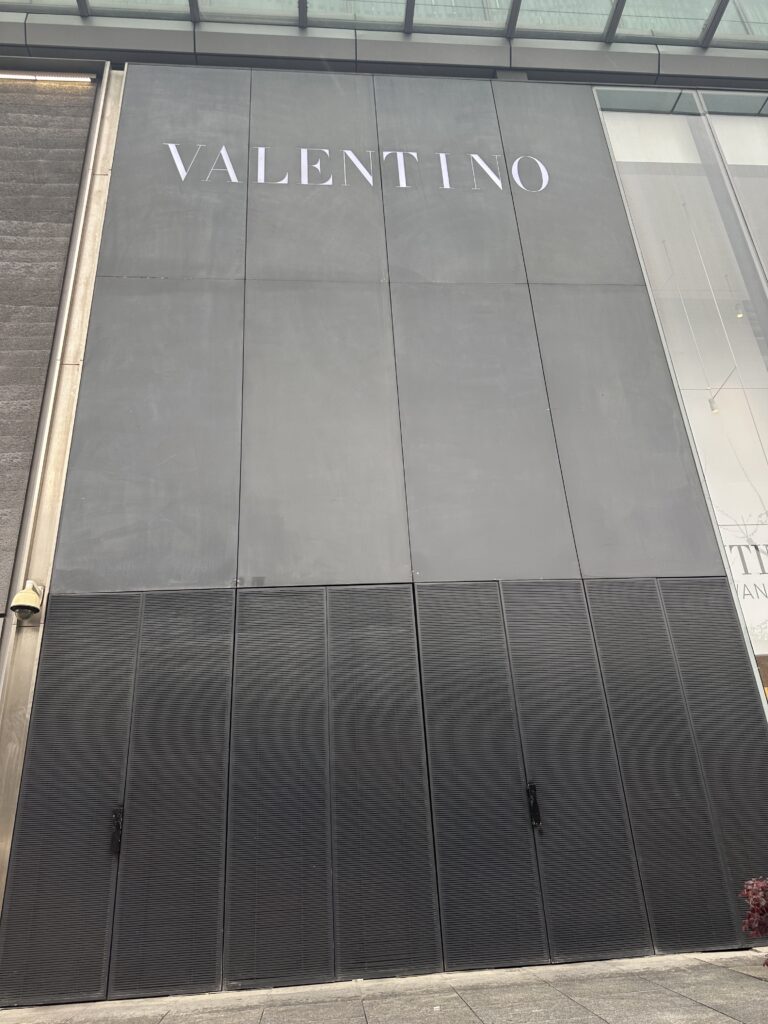
This subtle barrier can be both physical and visual. For instance, when attempting to enter a Valentino store on Huaihai Zhong Road, the entrance featured a discreet handle and a noticeably heavy door. Even after managing to open it, there was a brief moment of hesitation—uncertainty about whether I was meant to enter at all.

Across Shanghai, many boutiques adopt this approach. Storefronts feel deliberately less welcoming, often concealing products rather than displaying them to passersby. This intentional opacity reinforces the exclusivity of premium offerings. For some, the ambiguity of entry can evoke a mix of hesitation and intrigue—where slight discomfort heightens curiosity and, in turn, desire.

Access, therefore, becomes a subtle signal of belonging. Only those who recognize how to enter—or feel confident enough to do so—cross the threshold. In this way, these spaces distinguish insiders from the general flow of urban pedestrians, transforming entry itself into a marker of status and cultural fluency.

This dynamic may particularly resonate with upper-middle-class Shanghainese consumers, for whom distinction is not only about wealth, but also about differentiating themselves through refined taste, cultural awareness, and the ability to navigate subtle social cues within an increasingly diverse urban environment.

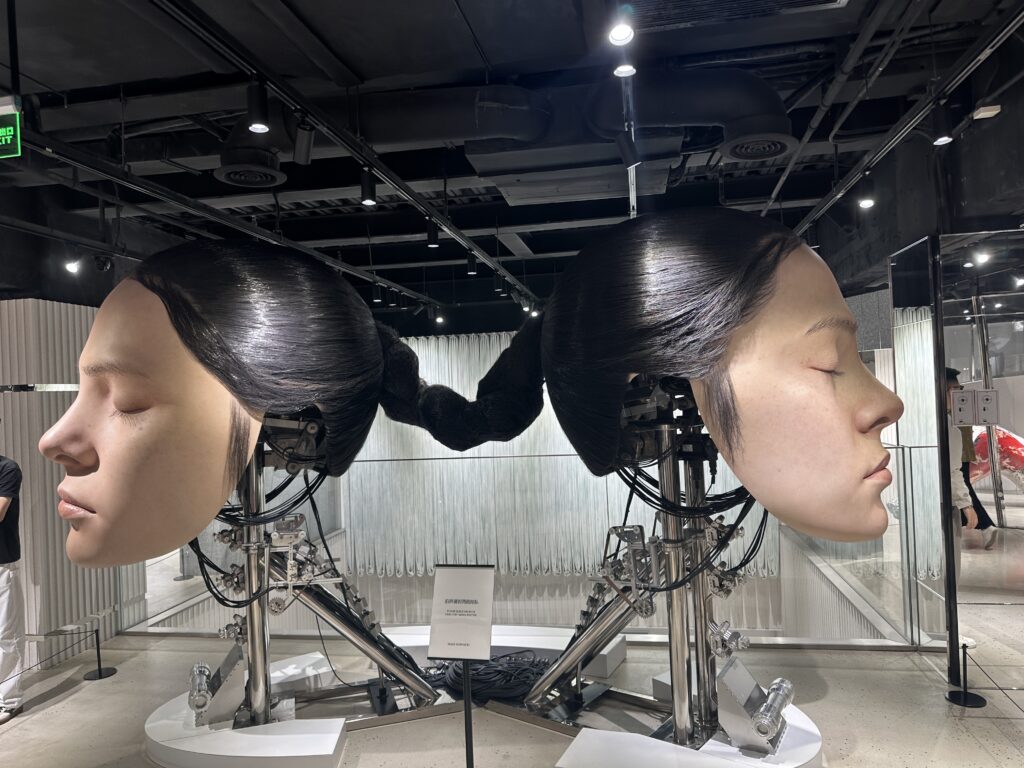
In contrast to other luxury brands with exclusive storefronts, the Korean premium eyewear brand, Gentle Monster, draws the largest crowds on Huaihai Zhong Road through its striking art installations. The store was filled with visitors, many of whom queued to take photos in front of uncanny, gigantic sculptural faces. While such large-scale installations may compromise short-term in-store ROI, they create an immersive and highly shareable environment—significantly boosting brand visibility through continuous foot traffic and social media engagement.

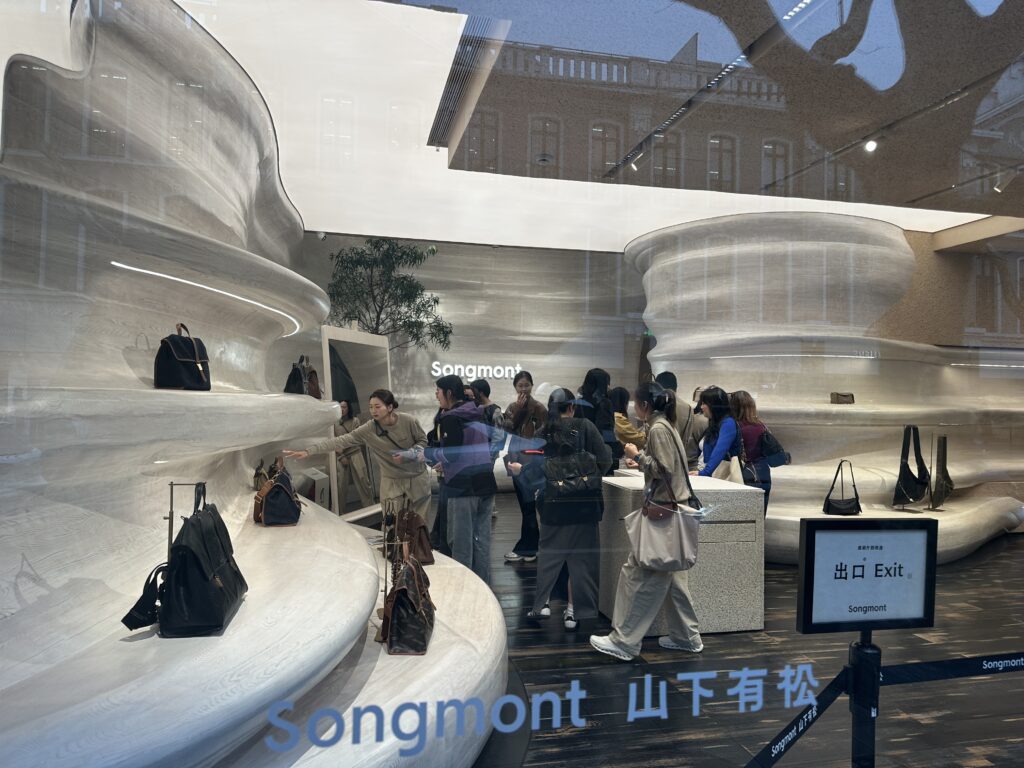
Directly across the street, the Chinese bag brand, Songmont, adopts a markedly different strategy. By deliberately limiting the number of visitors allowed inside, the brand creates visible queues. As part of a new wave of Chinese consumer brands, Songmont emphasizes Chinese aesthetic heritage as a compelling alternative to Western luxury. The controlled in-store environment allows for more intimate, staff-assisted interactions, deepening engagement for those inside while simultaneously cultivating curiosity and desire among those waiting outside or peering in.

We are curious which strategy will resonate more with Chinese consumers.

For discovery and mass desirability: Gentle Monster likely has the edge. It scales attention quickly and thrives in a social-media-first ecosystem.

For depth and brand loyalty: Songmont’s model may prove more durable. It converts interest into emotional attachment and perceived value.


Evolution of K-Beauty into an Integrated Aesthetic Technology Ecosystem

By Tracy Shim

The evolution of K-beauty reflects a broader transformation in South Korean society, where meritocratic and neoliberal values have redefined beauty as a form of social capital. Individual effort in Korea now extends beyond academic and professional achievement to include the management of physical appearance, which functions as a visible marker of discipline, self-regulation, and competitiveness. Within this framework, beauty is no longer perceived as superficial, but as a strategic investment with tangible social and economic returns. This is underscored by recent survey data indicating that 66% of young Korean job seekers engage in beauty practices to enhance employability.

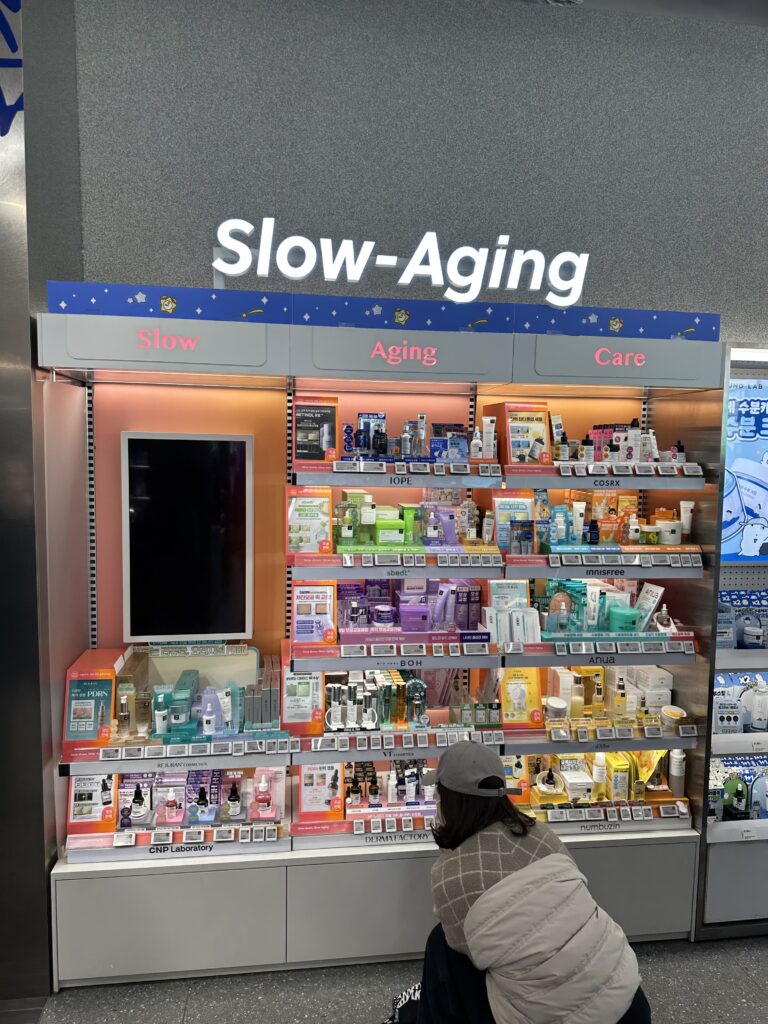
This logic is particularly evident among Gen Z consumers, who increasingly adopt a “prejuvenation” mindset—prioritizing the proactive maintenance of appearance over reactive anti-aging interventions. Driven by the ‘slow-aging’ trend, the home beauty device market is now worth trillions of won. This growth reflects a shift where consumers prioritize efficient self-optimization. High-end devices are reframed not as discretionary luxuries but as rational, long-term investments that reduce reliance on recurring clinical treatments. These consumers, often described as “skintellectuals,” demonstrate high levels of literacy, critically evaluating ingredients, clinical evidence, and device efficacy. As a result, skincare routines are transformed into performance-oriented systems grounded in informed decision-making.

At the same time, Korean beauty ideals emphasize what may be described as “effortless perfection,” which refers to a natural refinement achieved without visible exertion. This aesthetic paradox depends on intensive yet concealed labor: multi-step routines, long-term skin management, and disciplined self-care practices are rendered invisible beneath a polished and minimal exterior. In this context, the absence of visible effort itself becomes a signal of control, refinement, and social competence. This pursuit of hidden discipline naturally extends from topical applications to the optimization of the body’s internal state.

The concept of “inner beauty” further expands this paradigm by positioning the skin as an index of overall health. Beauty practices increasingly integrate topical treatments with nutrition, supplementation, and lifestyle optimization, including the use of probiotics, collagen, and wellness-oriented routines. Consequently, beauty becomes an ongoing project of holistic self-management, aligning external appearance with internal physiological balance. To navigate this complex intersection of health and aesthetics, modern consumers rely on precise information to validate their choices.

This explains why Korean consumers are distinguished by their data-driven approach to beauty. Digital platforms such as Hwahae and GlowPick play a central role in this ecosystem, offering ingredient transparency and crowdsourced evaluations tailored to specific skin types. These tools enable users to assess product efficacy, avoid harmful substances, and verify marketing claims, thereby reducing reliance on brand-driven consumption. This heightened level of beauty literacy supports the coexistence of both complex, multi-step regimens and “skip-care” minimalism, as consumers strategically curate routines centered on high-impact ingredients. As consumers become increasingly savvy in analyzing both biological and chemical data, their demands have shifted toward professional-grade efficacy that can be seamlessly accessed at home.

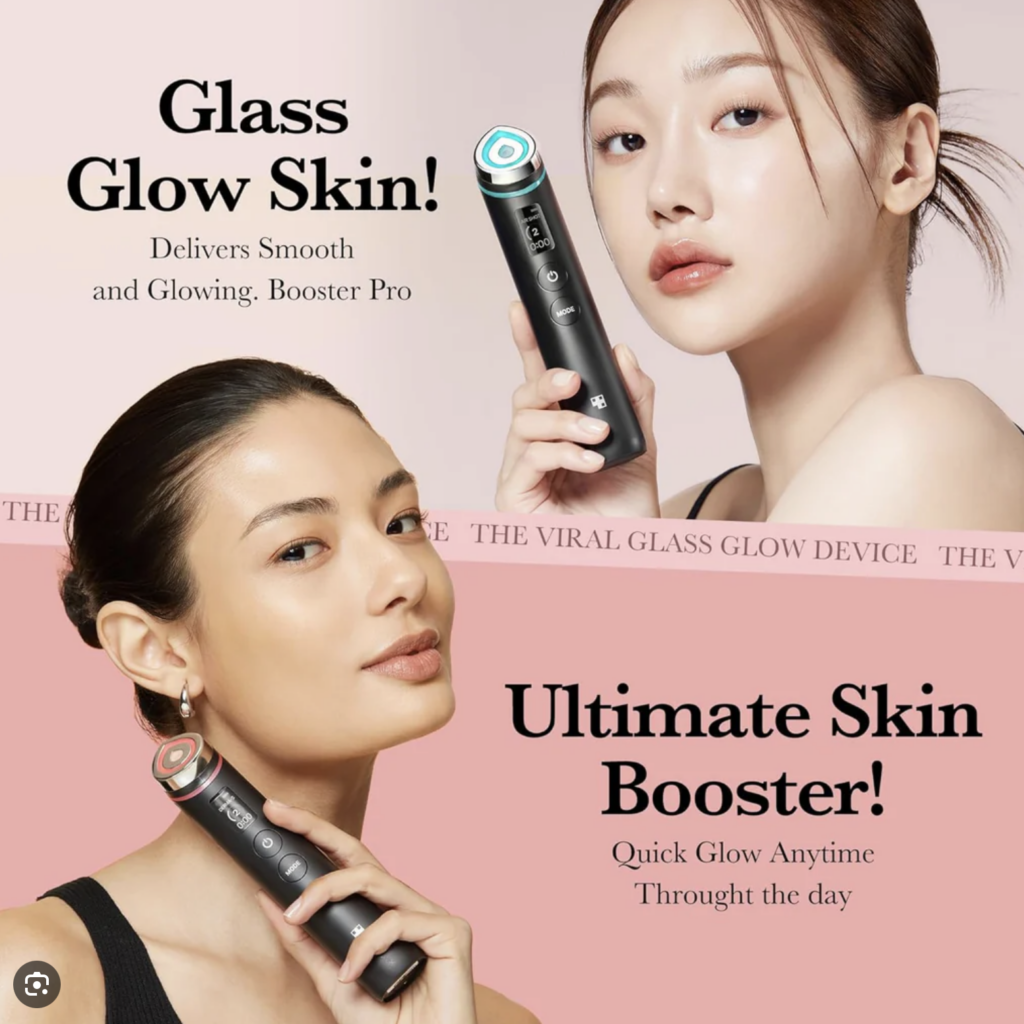
Building on that demand, the boundary between dermatology and cosmetic aesthetics is rapidly dissolving. Medical-grade technologies—including high-intensity focused ultrasound (HIFU) and radiofrequency (RF) devices—are increasingly repackaged as consumer-facing solutions, enabling continuous, non-invasive appearance management. Aesthetic clinics are evolving into hybrid spaces that integrate healthcare, retail, and experiential services, while home-use devices extend professional-grade treatments into everyday routines. This convergence has given rise to a new industry model: a full-stack aesthetic ecosystem that integrates clinical procedures, consumer devices, and personalized data.

According to a report by Samil PwC, the Korean beauty device market has grown twentyfold over the past decade. Reflecting this trajectory, APR recently reported that cumulative global sales of its Medicube Age-R devices have surpassed six million units.

Ultimately, K-beauty is no longer confined to cosmetics. It has evolved into a comprehensive system of technologically mediated self-optimization, in which appearance, health, and data converge. As this model continues to advance, South Korea is positioned not only to lead in product innovation, but also to export a new global paradigm. In this paradigm, beauty is understood as a continuous, technology-enabled practice of enhancing and maintaining human potential.

Image from Medicube’s website

<Key Takeaways: The New Paradigm of K-Beauty>

  1. Beauty is a strategic asset, not a cosmetic choice

In South Korea, physical appearance is now a form of social capital. Brands must move beyond “looking good” and position products as tools for self-regulation and professional competitiveness. Consumers do not just buy a product. They invest in their own social value.

  1. Efficiency-driven self-optimization is the new standard

The rise of “prejuvenation” reflects a shift toward proactive, long-term maintenance. Marketing should focus on rational investment rather than emotional appeal. High-end devices are now seen as logical alternatives that reduce the cost and time of frequent clinical visits.

  1. Performance speaks louder than storytelling

Today’s “skintellectuals” prioritize clinical evidence over brand narratives. They rely on verifiable data and crowdsourced transparency to make informed decisions. To win this audience, brands must provide precise, performance-oriented proof of efficacy.

  1. Invisible labor must lead to effortless perfection

The Korean aesthetic ideal is to achieve perfection without visible exertion. Brands should manage complex routines behind the scenes while offering consumers a streamlined experience. The goal is to deliver a polished, “effortless” result through highly sophisticated systems.

  1. The future lies in a full-stack aesthetic ecosystem

K-beauty is evolving into a system where dermatology, consumer tech, and personalized data converge. A brand’s strength no longer comes from a single product but from a technology-enabled ecosystem that integrates professional-grade efficacy into everyday life.

Pursuit of Meaning in Vintage Shops

By Daniel Kim

In Seoul, Hongdae is a vibrant hub of artistic culture, youth-oriented consumption, and international tourism. Just a couple of miles away, however, the bustling crowds fall away, giving way to the tranquil residential backstreets of Yeonhui-dong. As you stroll through this aging neighborhood, you discover the quiet pleasure of uncovering hidden gems—small cafés, design stores, and vintage shops housed in renovated brick homes.

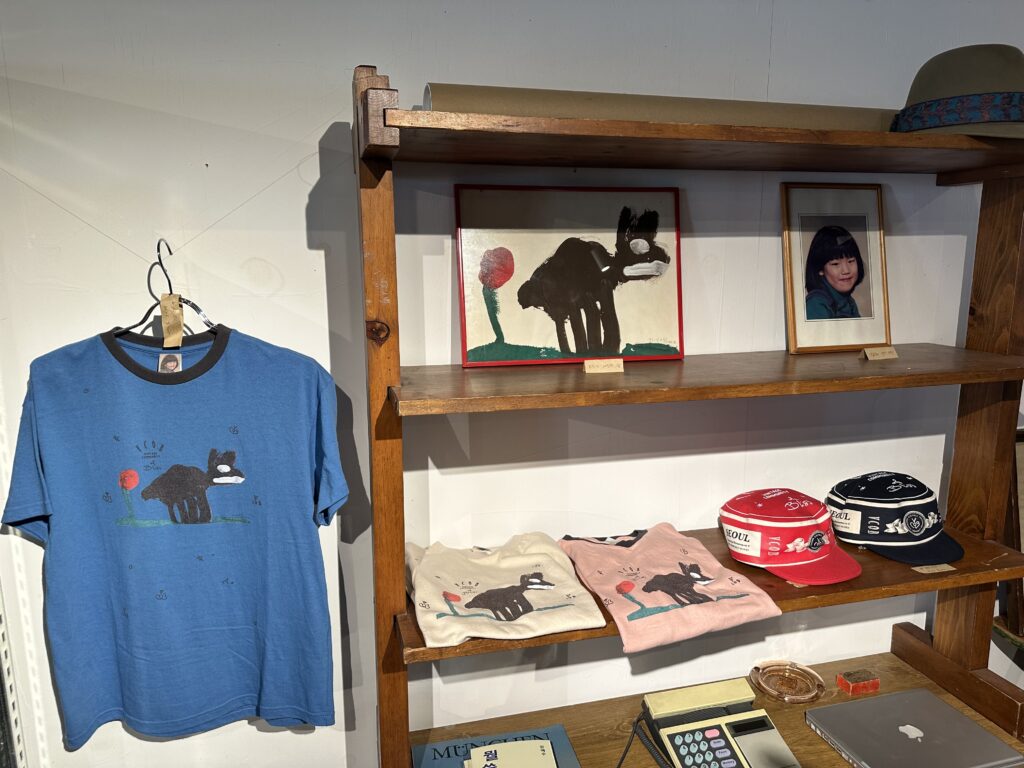
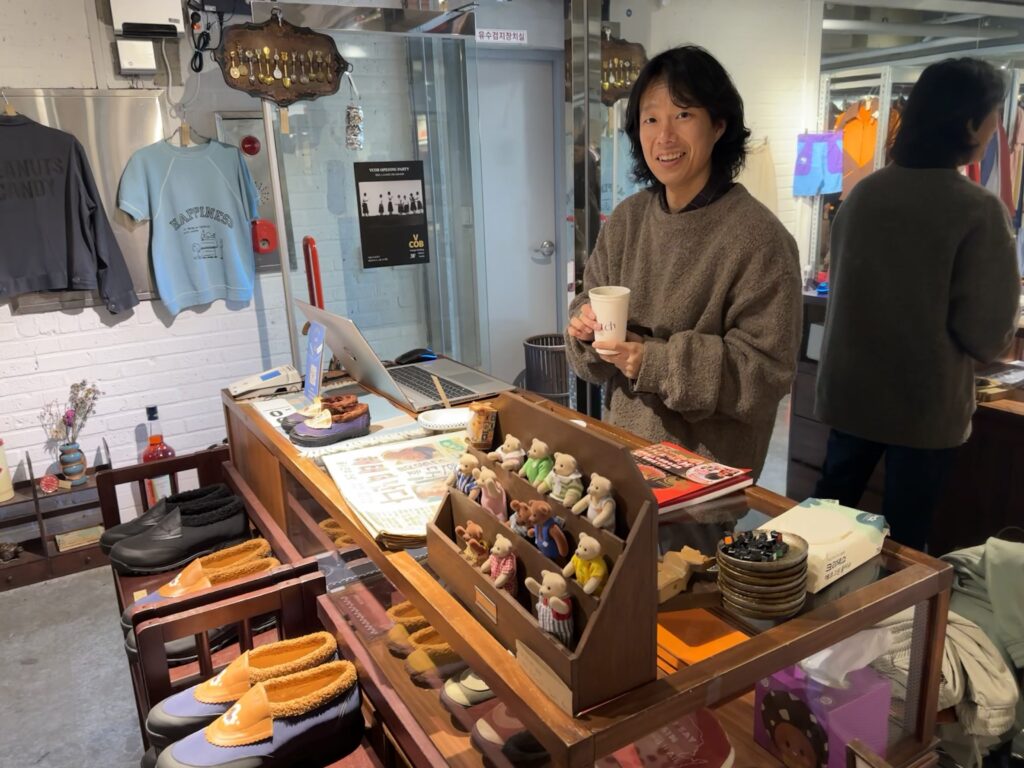
Ki-hoon began his career as a book publisher and opened his vintage shop, Vcob, in Yeonhui-dong last year. He believes that stories are conveyed not only through books, but also through objects such as clothes, shoes, and bags. One example is a T-shirt he designed using a motif from a painting his wife created at the age of four—a piece that has been well received by younger customers. *Vcob: https://www.instagram.com/vcob_official/

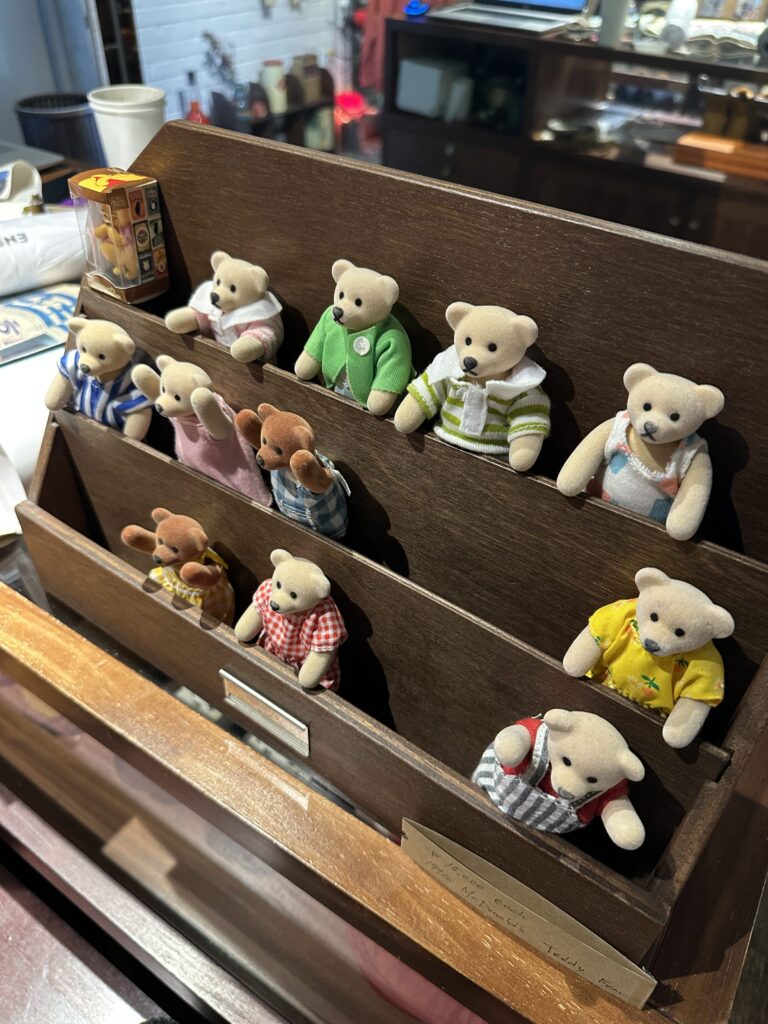
“Every day, my shop is filled with chance encounters with walk-in customers, creating new destinies between people and objects,” Ki-hoon says. The connections he builds through conversation have become a key element of the shop’s appeal. Through these exchanges, intriguing objects—such as a hairdresser’s trolley, a bathhouse scrubbing table, or a pair of vintage Keds shoes—guide customers on a journey of storytelling.

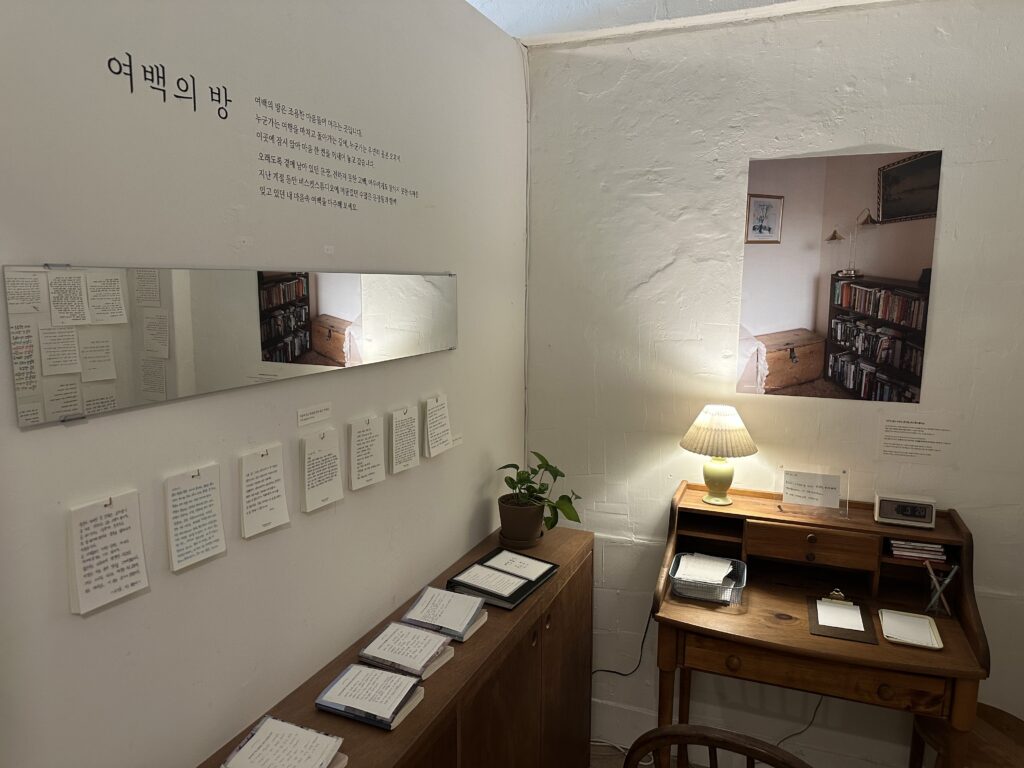
Biscuit Studio is another small shop that resonates with young shoppers seeking meaningful moments as they wander through Yeonhui-dong. Run by a couple, the studio transforms photographs taken during their travels into everyday paper goods—such as notebooks, memo pads, postcards, and key rings. The photographs lining the shop’s walls are imbued with the warmth of family affection. Within the space, they have created “A Room of Emptiness,” where customers are invited to sit quietly at a desk and write down lingering memories or unspoken confessions.

Together, shops such as Vcob and Biscuit Studio demonstrate that value is no longer embedded solely in the object itself, but in the story attached to it. Whether through personal narratives, provenance, or symbolic meaning, objects function as narrative carriers that allow customers to form emotional connections with what they purchase.

Also based in Yeonhui-dong, Jenna supports local vendors as a creative director, organizing pop-up stores and flea markets. According to her analysis, young customers who visit the area tend to be financially stable and are not driven solely by the lowest price. “In Yeonhui-dong, they look for experiences that differ from online shopping. Encountering a unique piece of clothing can feel meaningful, as if shaped by chance or destiny. Even a small object, such as a key ring, can become a valuable souvenir of the day,” Jenna explains.

From this perspective, pop-up stores for global brands must move beyond visibility and scale. To resonate with young consumers, they need to offer opportunities to encounter the brand through small, purchasable items and distinctive, story-driven experiences that invite emotional participation rather than simple transactions.

The small, quiet streets of Yeonhui-dong, though located on the outskirts of Seoul and less widely known than luxury brands or massive shopping malls, hide many treasures where visitors can discover the core value of alternative shopping—seeking new stories and experiences beyond mainstream trends.

Consuming Tradition: How Gen Z Rewrite Korean Cool

By Tracy Shim

There was a time when anything labeled “Korean” was easily dismissed as old-fashioned or behind the times. Products rooted in traditional design were largely seen as souvenirs for tourists, and a T-shirt with an unfamiliar foreign phrase felt far more stylish than one printed in Hangul, the Korean writing system.

That perception has gradually changed. Hangul typography, reinterpreted as a graphic element rather than a symbol of identity, began appearing naturally in fashion. Accessories incorporating mother-of-pearl or traditional knotting techniques started to gain traction among younger consumers. A similar shift emerged in food culture. Cakes and macarons that once dominated social media feeds slowly gave way to “yakgwa”, a traditional Korean honey cookie, along with other traditional sweets and Korean teas.

Young dessert shop owners play a key role in this transition. Rather than presenting Korean desserts as heritage foods, they reframe these through visuals and atmospheres suited to contemporary media. With restrained sweetness and an understated aesthetic, these desserts proved just as visually compelling on social platforms. This movement gives rise to the term “halmae ipmat,” loosely translated as “grandma taste,” which describes a preference for understated, less sugary flavors. While the phrase literally refers to older generations’ tastes, in practice it reflects an ease with traditional preferences without the stigma of being outdated. In this sense, the term functions as a cultural buffer that lowers the emotional barrier to choosing tradition.

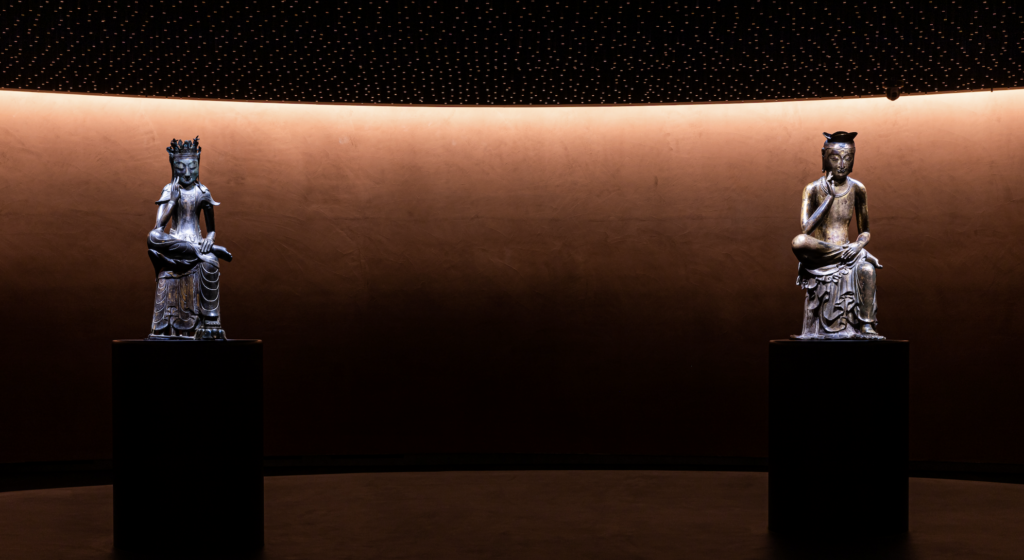
Institutional spaces also contribute to the spread of this sensibility. The National Museum of Korea plays a particularly visible role. In 2021, its exhibition ‘The Room of Quiet Contemplation’ presented only two National Treasure Buddhist statues. Low lighting and a circulation design encouraged visitors to linger. Rather than focusing on explanation, the exhibition emphasized presence and experience. For a generation accustomed to information overload, the absence of excessive interpretation felt refreshing. The space resonated naturally with Gen Z values around mindfulness, wellness, and slow living. It helped reposition the museum from a place of study to a destination people actively wanted to visit.

The Room of Quiet Contemplation ©National Museum of Korea

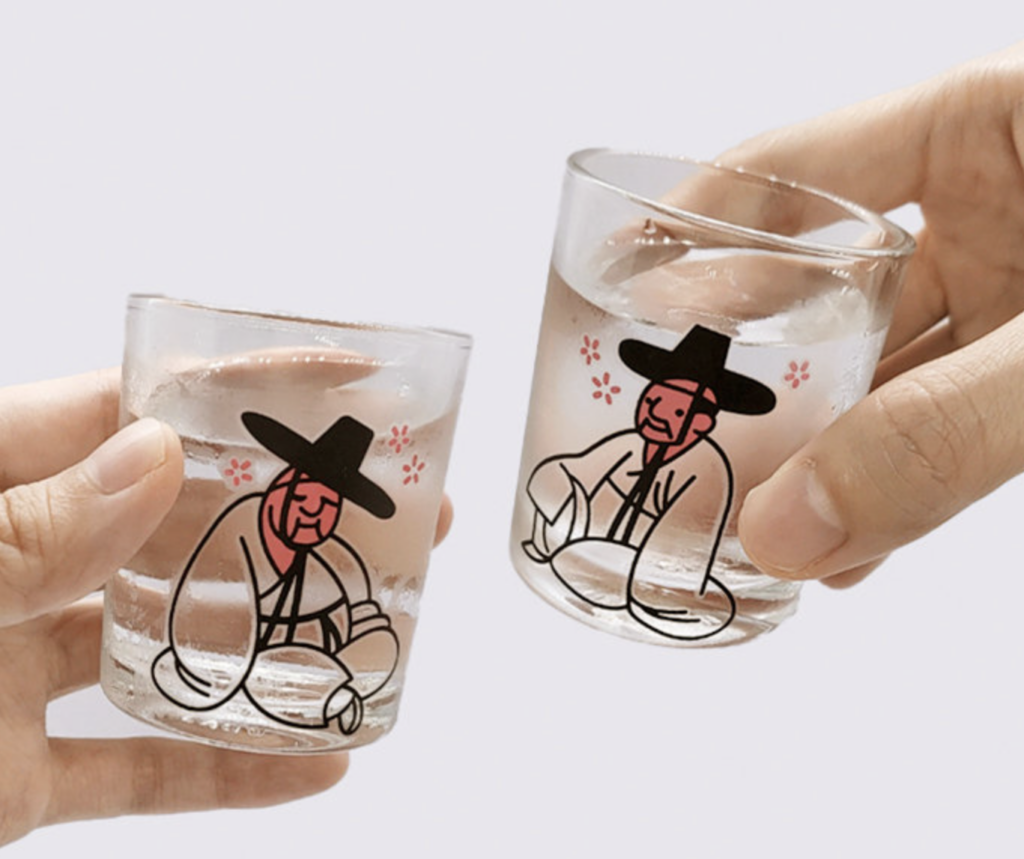
In 2025, the National Museum of Korea recorded approximately 6.5 million visitors, the highest annual figure in its history. Because the museum has maintained free admission for years, detailed demographic breakdowns are limited. That said, multiple qualitative observations suggest a clear rise in younger visitors. This shift was reinforced not only through exhibitions, but also through the museum’s merchandise strategy, officially branded as MU:DS. Products such as heat-reactive soju glasses, where a scholar’s face flushes red when cold liquor is poured, or incense sets shaped like a “buttumak,” a traditional Korean kitchen hearth, became items people lined up to purchase. Even a collaboration with Korea’s national baseball team, featuring traditional patterns on uniforms, resulted in products that sold out almost immediately.

Museum goods: heat-reactive soju glasses © National Museum Foundation of Korea

Then, when does “Korean” stop feeling outdated and begin to register as something young consumers could embrace, and even see as globally relevant? A clear inflection point appears around 2019, when BTS expanded their world tours and the movie ‘Parasite’ won the Palme d’Or at Cannes. Around this time, perceptions of Korean cultural elements began to shift. They were not yet widely labeled as “cool,” but they had become options young consumers could choose without hesitation.

Behind this shift lies the global success of K-pop and K-dramas. What matters is not simply that Korean content is popular overseas, but that this success is gradually internalized within Korea itself. Korean aesthetics and narratives are no longer seen as outputs that need to be adjusted to fit global standards. Instead, they begin to be understood as capable of functioning as global standards per se.

Around 2022, a more noticeable shift in attitude began to take shape among Gen Z. As global aesthetics became increasingly familiar after the pandemic, the pressure to look like a foreign brand or emulate international styles visibly weakened. From this point on, “cool” was no longer defined by proximity to overseas trends. Instead, it came to be understood as a combination of novelty, identity, and narrative context. Korean elements were no longer obstacles to overcome, but resources for differentiation, and younger consumers began expressing them openly rather than masking them. This mindset spread across categories, from food and merchandise to exhibitions and fashion, reinforcing the idea that Korean tradition could resonate not only with younger domestic audiences but also within global cultural contexts. In this context, the global success of K-Pop Demon Hunters in 2025 further amplified this shift.
Preserving tradition is no longer seen as maintaining old forms exactly as they were. Instead, a broader consensus is forming around the idea that tradition survives by being continually translated into the language of its time, without losing its essence. What was once criticized as distortion is now increasingly viewed as a way of sustaining and extending cultural vitality. Tradition, in this sense, is no longer something to be protected as a fixed form. It is a cultural asset that endures only when it is repeatedly appreciated and consumed within everyday life.

Key Takeaways

  1. Tradition should be designed to be consumed, not explained
    When tradition is over-explained or overly emphasized, it tends to feel heavy again. For today’s consumers, tradition resonates most when it is designed to be consumed, rather than explained or justified.
  2. Everyday relevance matters more than reverence
    The most effective way to respect tradition is not by elevating it, but by integrating it into daily choices. Younger audiences want to consume tradition, not study it.
  3. Mimicking global aesthetics is no longer a safe strategy
    Since 2022, overly globalized visuals risk feeling anonymous. Differentiation is now made by how clearly a brand expresses its original character, not by how closely it resembles others.
  4. Let younger generations lead the translation
    Tradition survives when it is reinterpreted by those who actively shape contemporary culture. In many cases, allowing experimentation sustains tradition more effectively than trying to preserve it unchanged.
  5. Tradition must function as a system, not a campaign
    Short-term collaborations or events do not last long. Tradition becomes a real brand asset when it is used consistently across products, spaces, and communication.


Inside Seongsu: Decoding the Mecca of Pop-up Stores

By Daniel Kim

Seongsu district, often referred to as the “Brooklyn of Korea,” was once home to small warehouses and factories (especially shoemakers). Its affordable rents later attracted art galleries and studios run by young creatives, setting in motion a familiar pattern of urban gentrification. Today Seongsu has transformed into a vibrant physical platform filled with unique pop-up stores, where diverse brands compete to capture the attention of trend-conscious consumers not only in Korea, but around the world. 

On a Friday afternoon, Sentipl researchers explored the main areas of Seongsu.

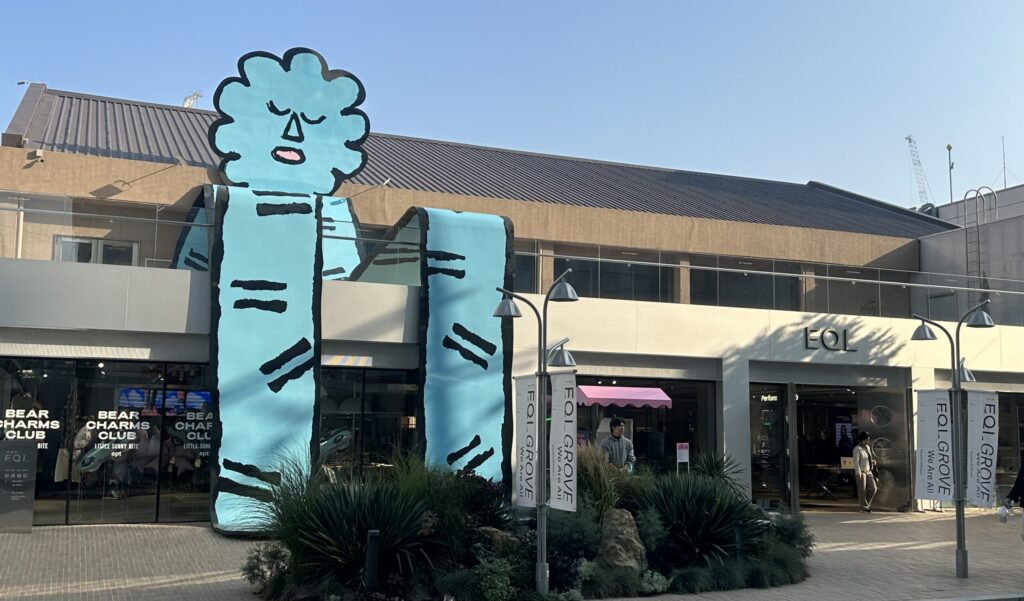
Featuring artwork by French designer Jean Jullien, the distinctive facade of EQL’s flagship store makes a perfect starting point for a Seongsu tour. Inside, the store brings together every trend, from Puma ballet flats and Hoka sneakers to ARC running gear.

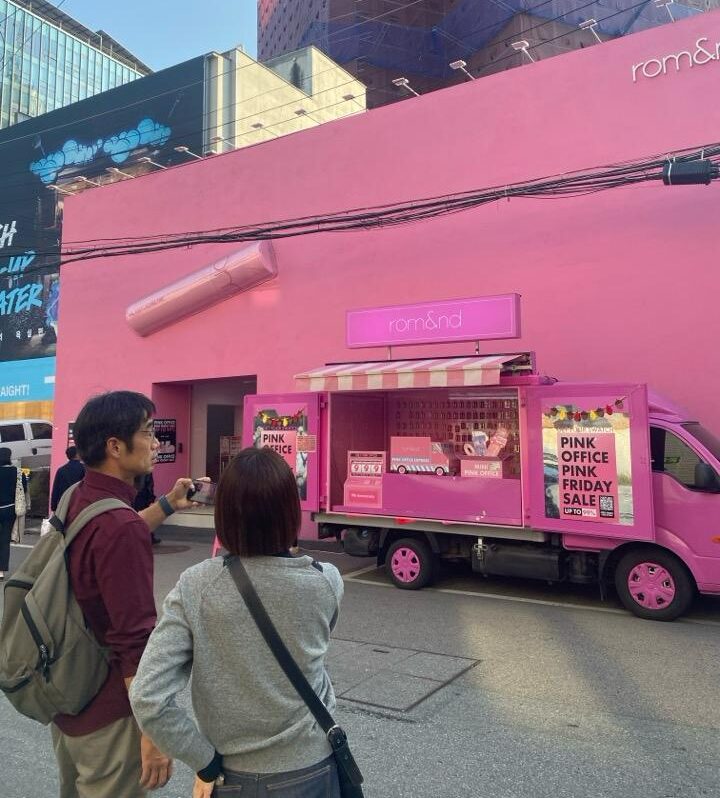
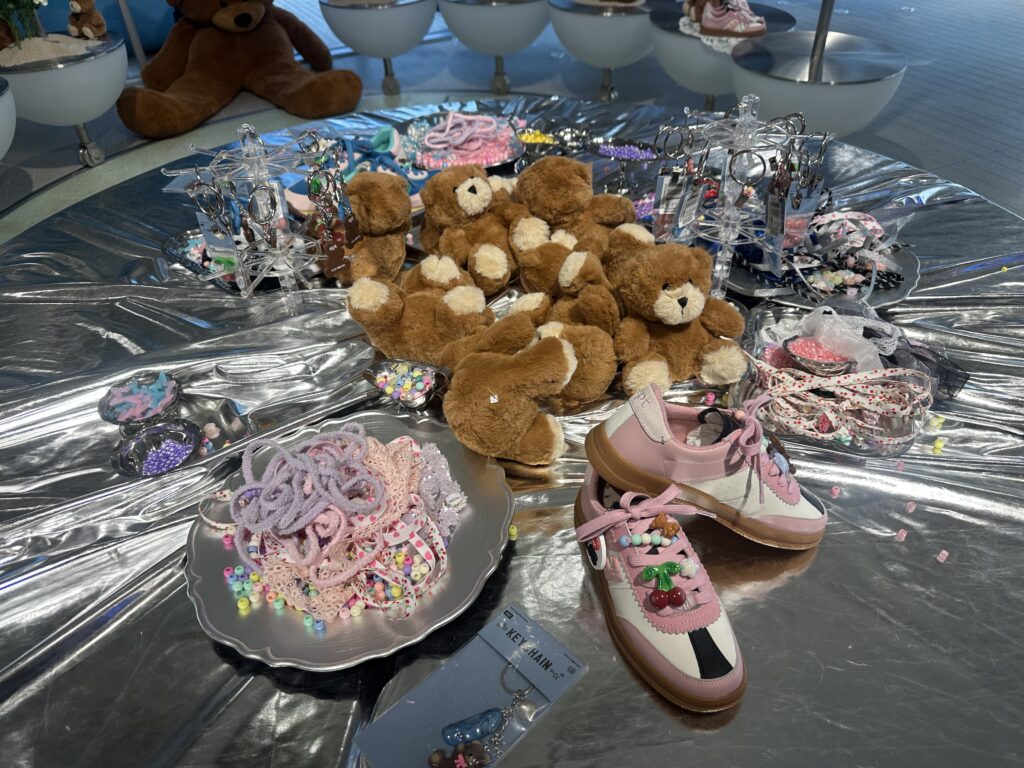
Girlcore and cuteness continue to dominate Seongsu with pink setting the tone across both cosmetic and fashion brands. Betty Boop’s unmanned store evokes a sense of nostalgia that most Gen Z women have never actually experienced. At EQL, a low craft table with small chairs invites visitors to decorate shoelaces with colorful beads and charms – as if playing pretend as little girls again. 

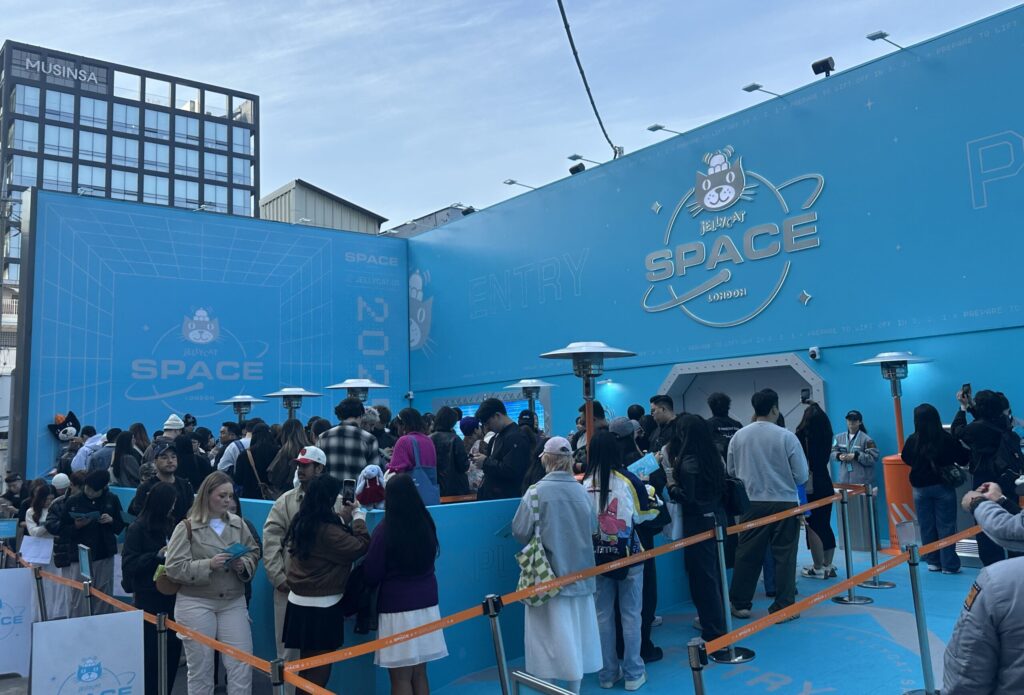
“Jellycat Space” was one of the most popular pop-up stores during our visit, tapping into the global craze for adult comfort dolls sparked by Labubu, the Chinese monster doll. Also, the sense of liminality is often the key to a pop-up store’s success. At Jellycat Space, visitors experience a seamless transition into an entirely new world – in both concept and color – as if they’ve stepped into a blue universe. 

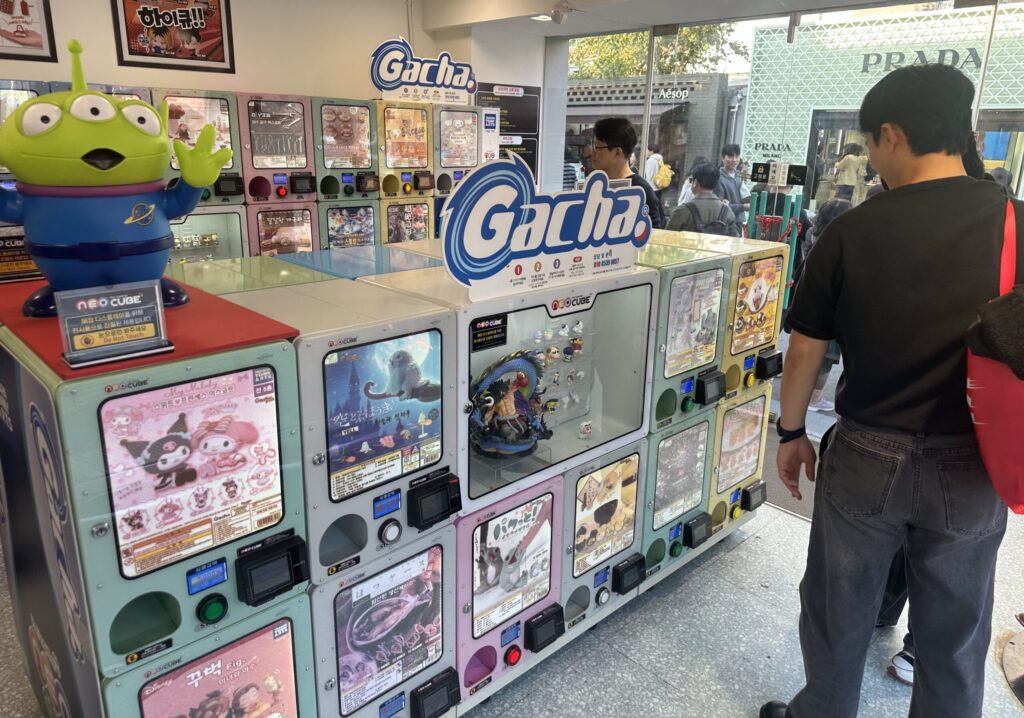
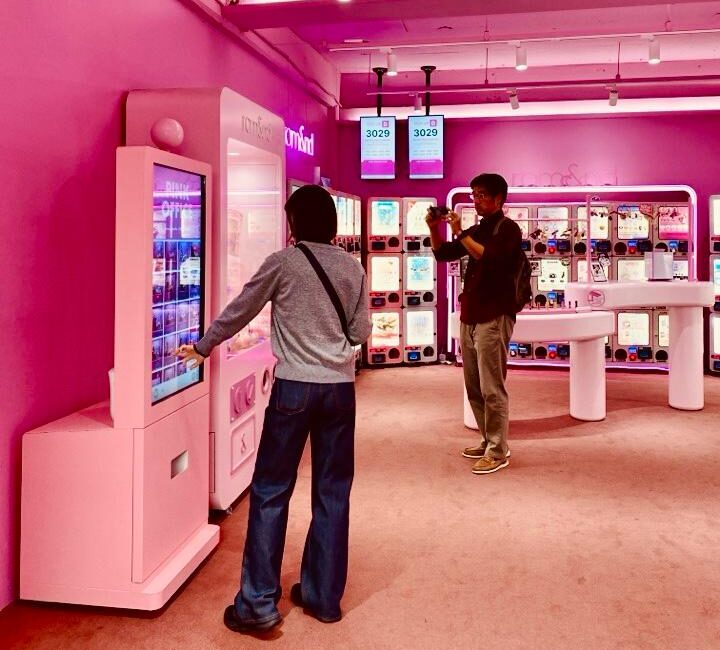
Random toy-vending machines (a.k.a. gacha) are all the rage among young Koreans, making them a popular tool for marketing campaigns. Because of their indecisive nature, young consumers often seek a feeling of relief and comfort through gacha’s random selections, and sometimes experience a thrill when they get one of the most sought-after toys. 

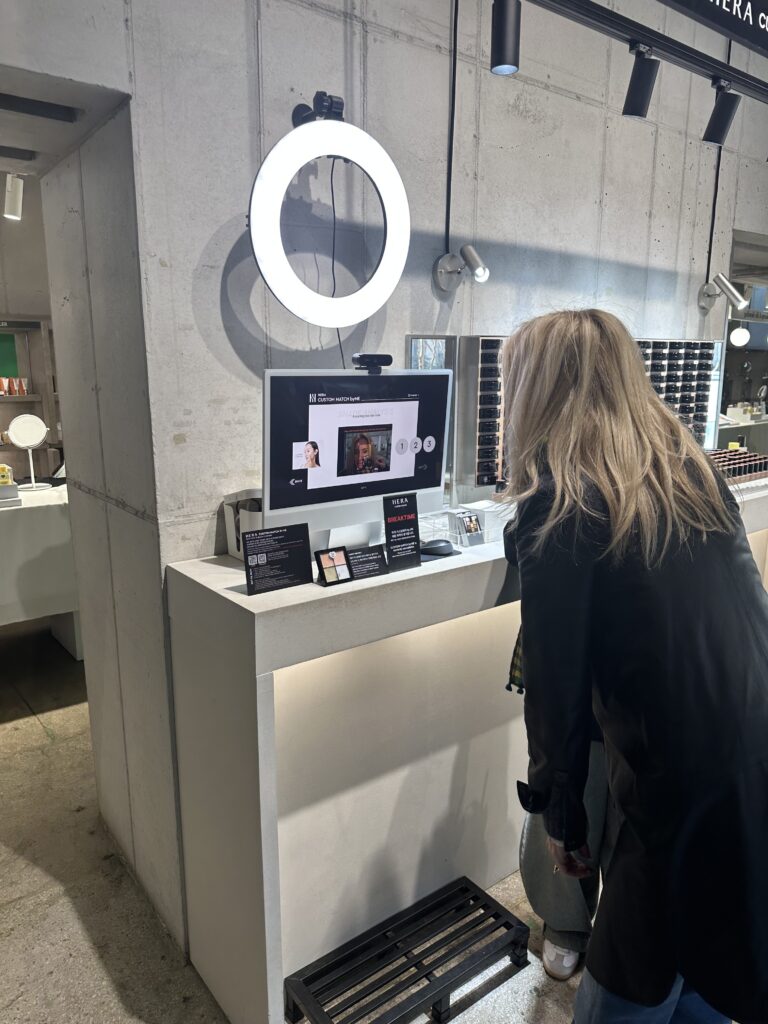
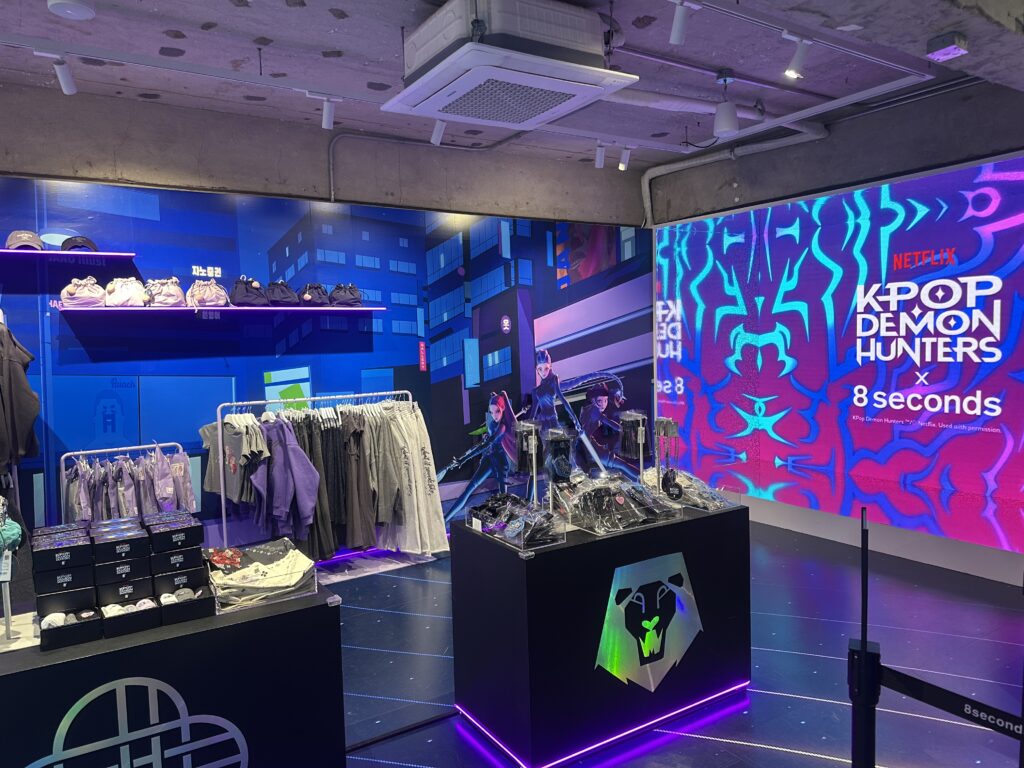
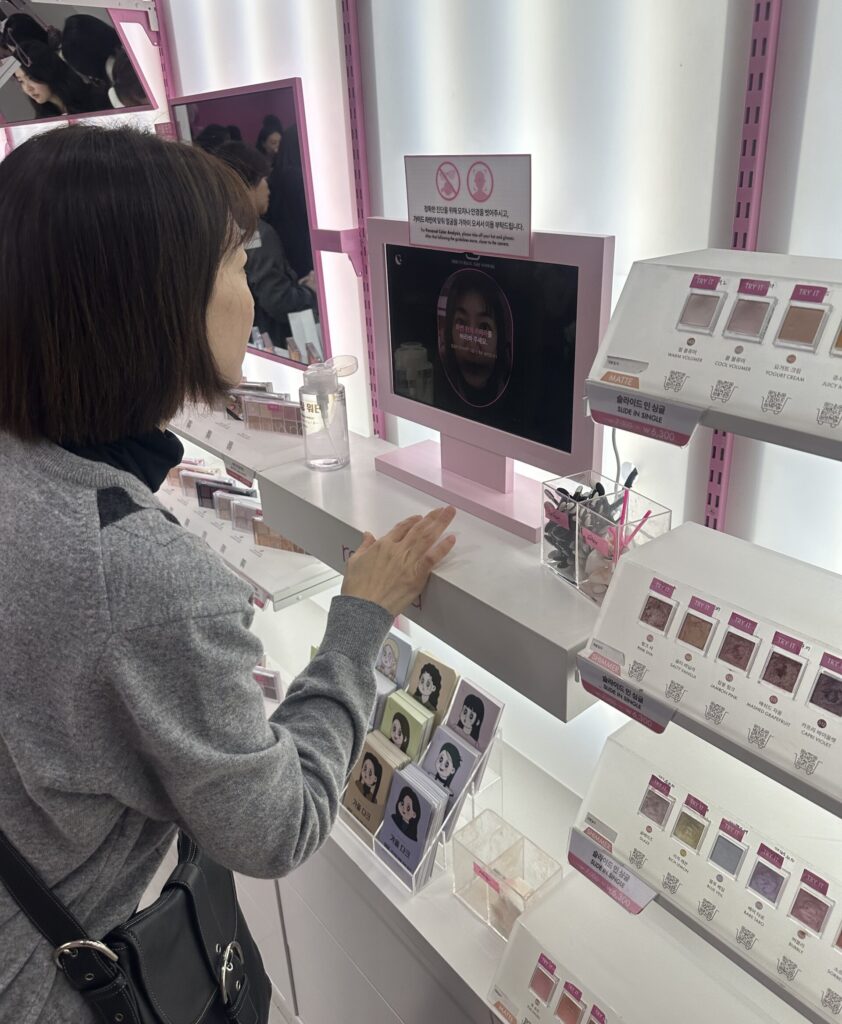
Despite its global popularity, K-pop Demon Hunters’ collaboration store with Eight Seconds was surprisingly empty. Visitors expect pop-up stores to offer something new and unusual, rather than what they already know. That said, personalized experiences effectively engage consumers – for example, AI-generated suggestions of personalized foundation shade best matching one’s skin tone.

Tracy, Sentpl’s partner, trying out the AI-generated suggestion of a foundation shade for her at rom&nd.

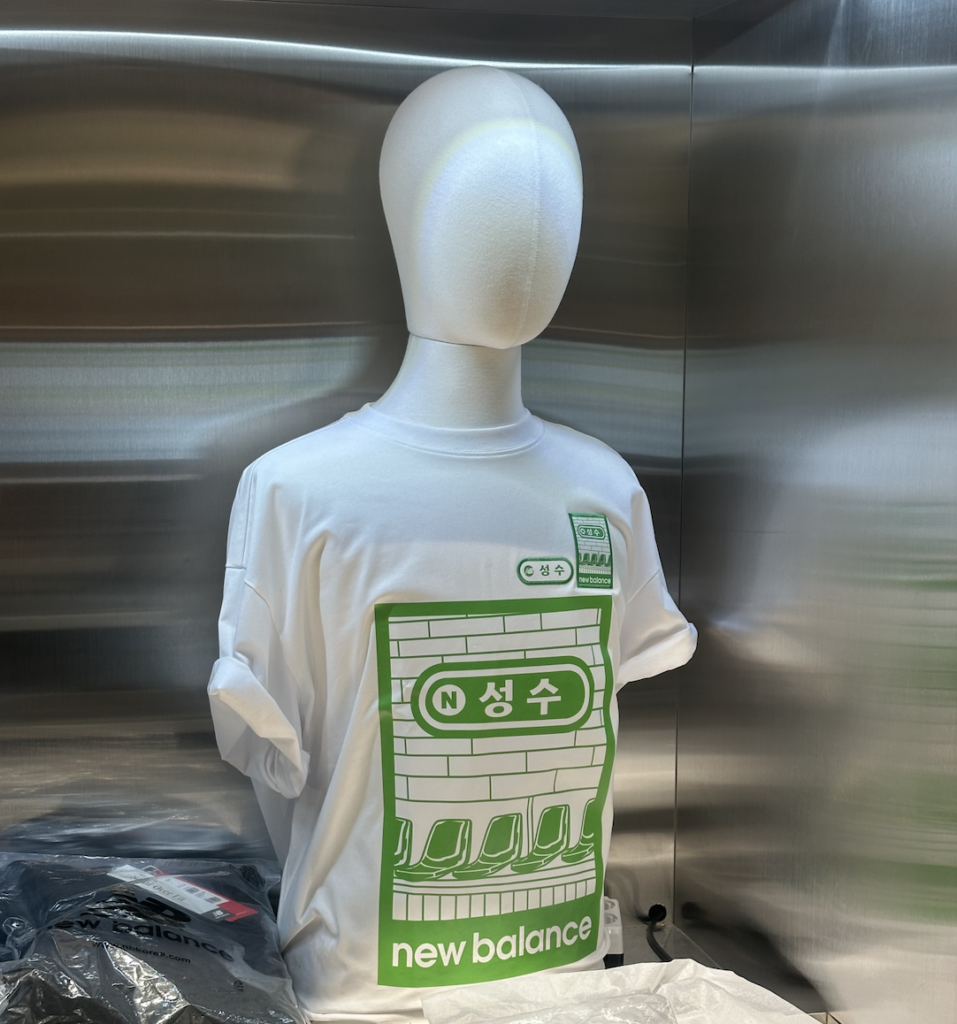
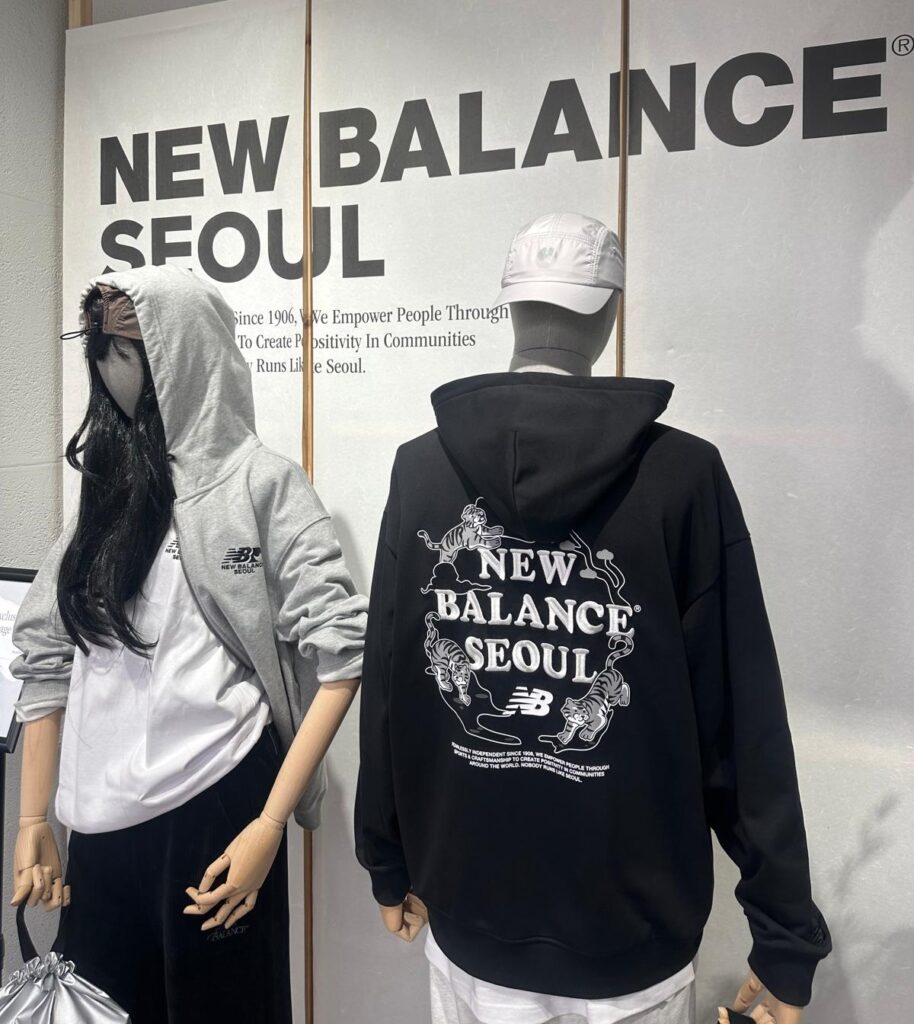
Refined localization efforts would strongly resonate with not only Koreans, but also foreign visitors. We were all tempted to purchase New Balance’s exclusive Seoul collection – hoodies with tiger patterns and a running cap adorned with the Korean national flag logo.

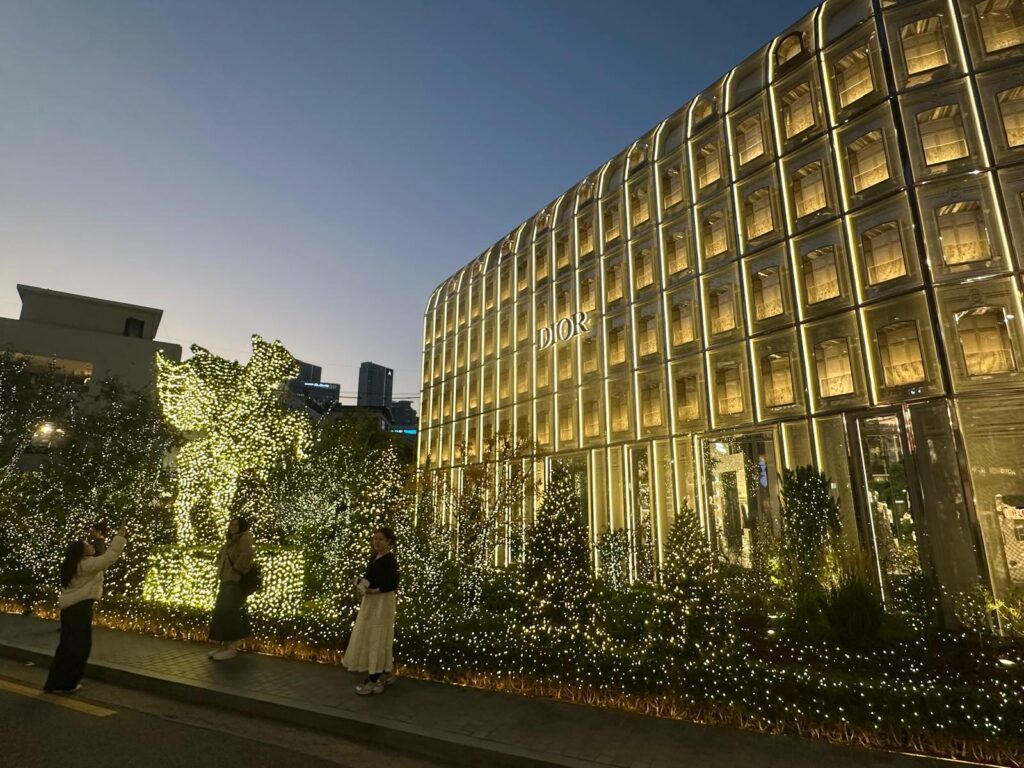
We wrapped up our tour at Seongsu’s landmark, Dior’s glamorous flagship store, already sparkling with Christmas lights in early November. Seongsu is truly a dynamic district, constantly evolving as local and global brands compete to captivate trend-seeking consumers, both domestic and international. It’s definitely a must-visit destination for tourists and market researchers alike.

Interested in a guided market tour in Korea? Reach out to us: daniel@sentipl.com.


Hyrox Seoul: Growth of Global Fitness Phenomenon

By Daniel Kim

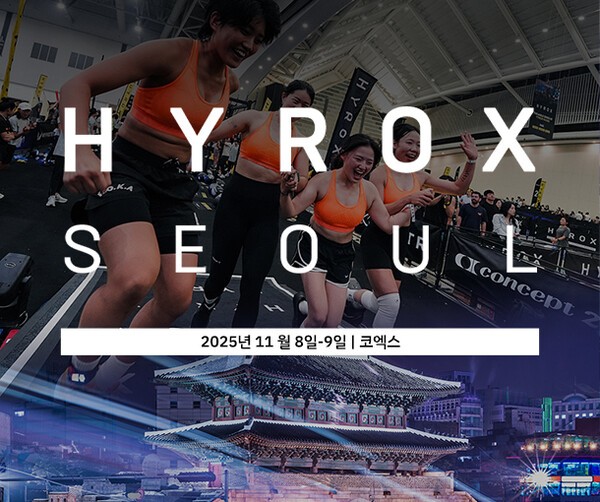
Hyrox is a globally popular fitness sport that combines an 8-km run with eight functional workout stations. The first major Hyrox Seoul event – which was sold out – took place on November 8-9, 2025. Among the more than 6000 participants was Marcus Oh, who also serves as a Hyrox gym affiliation manager. He described the passion shared among the athletes.

“It was absolutely overwhelming – the DJ’s music and the sound of cheering filled the space. The MC kept everyone engaged, from celebrities and influencers to beginners and older participants. The indoor venue was charged with intense excitement, creating a unique sense of liberation when men went shirtless and women ran in bra tops. The dopamine that Hyrox provides is unmatched.”

Beyond the competition itself, Hyrox offered a range of thoughtful services that enhanced the participants’ experiences. For instance, the Hyrox media team conducted pre-event interviews to create storylines for the MC to engage with participants during the event. Photographers were stationed throughout the course to capture participants’ every moment of effort. “From the lively photos, I could feel as if I were a real professional athlete!” Marcus said.

Marcus, performing sandbag lunges at Hyrox Singapore 2024


Key takeaways from Hyrox’s potential growth:

  • Accessibility compared to cross-fit

Without the heavy weightlifting component, Hyrox demands simpler workouts that are more approachable for beginners and involve a lower risk of injury.

  • Distinction positioning from running

While completing a marathon has become a common personal challenge, Hyrox offers something more visually and emotionally rewarding – an “Instagrammable” experience of performing and feeling like a real athlete.

  • Immersive event experience

Hyrox delivers the intensity and spectacle of a major sport event, transforming fitness into a shared, emotionally charged experience – sometimes, even in a foreign city.

  • Appeal to women

An increasing number of women are shifting their focus from pursuing physical beauty to achieving strength, endurance, and empowerment. In Hyrox Seoul, women accounted for more than 40%.

  • Community belonging

Hyrox fosters a strong sense of belonging among its participants. Marcus, for example, connected with other Hyrox athletes through Instagram, and they have since supported one another’s training journeys.

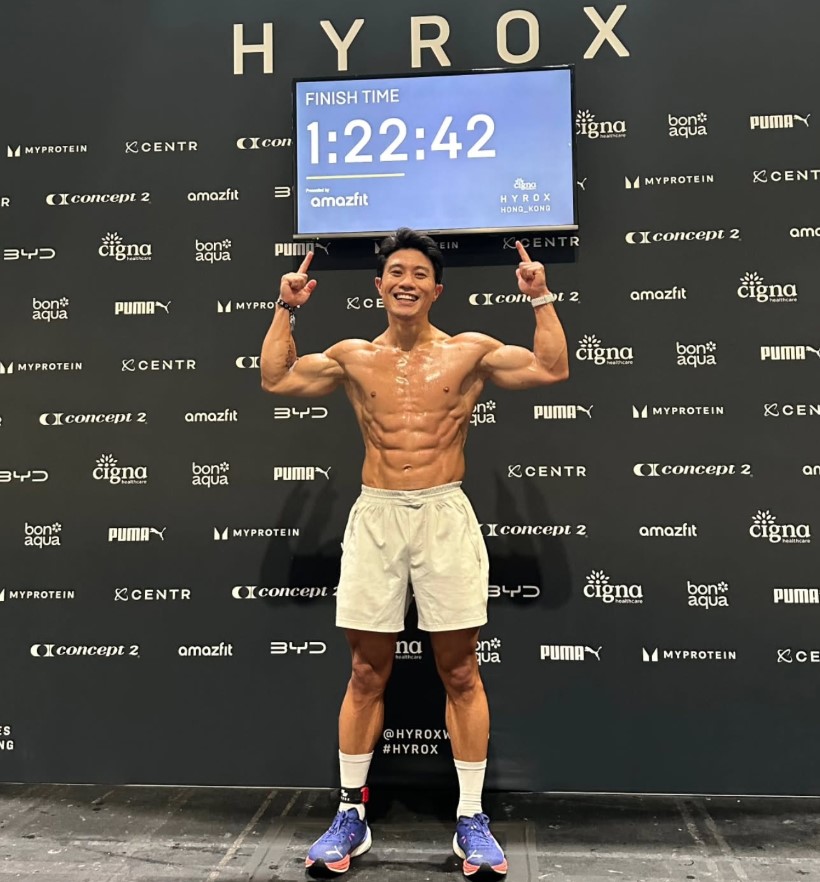
Marcus completes Hyrox Hong Kong 2025


In Korea, Hyrox seeks to expand its business model from an event-based format to a broader lifestyle brand. In this effort, the company aims to affiliate with more fitness centers in Korea, which can incorporate Hyrox training programs. According to Marcus, Korea could serve a significant testbed for Hyrox’s expansion across East Asia, including China and Japan.

However, a key challenge remains – How to shift the perception of Hyrox from a sport for extreme athletes to one that appeals to everyday people – families, casual gym goers, and older exercisers alike.

Having previously worked for Lululemon before joining Hyrox, Marcus offered a poignant perspective on marketing for global brands in Korea. “Localization in Korea may be much trickier than global brands might assume, due to the elevated expectations of Korean consumers. Five Guys and Tim Hortons may serve as examples of brands that fell short in adapting to local demands. This year, Lululemon promoted its seamless Align leggings as if they were groundbreaking, even though domestic brands like Andar had already offered similar products back in 2018.”

*This article is based on our interview with Marcus Oh (Hyrox gym affiliation manager).

Marcus Oh’s Instagram: https://www.instagram.com/marcs_race/

Why C-Beauty Is Capturing the Hearts of Korean Gen Z

By Tracy Shim

In South Korea, K-beauty’s focus on healthy, natural skin has shaped a beauty landscape that aligns with the broader fashion trend of “effortless chic.” But now, a new aesthetic sensibility is emerging among Gen Z. Fueled by short form video culture, algorithm-driven discovery, and the pursuit of instant visual impact, this shift signals a fundamental change in how young consumers perceive beauty. At the center of this transformation is C-beauty – Chinese cosmetic brands that are redefining how beauty looks, feels, and circulates on social media.
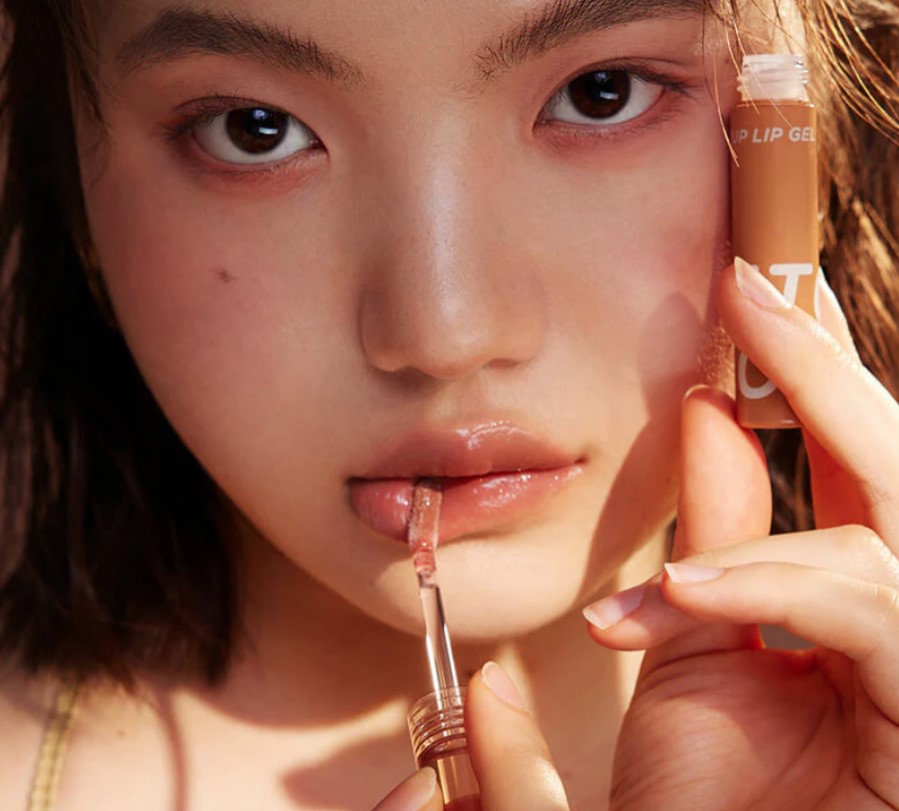
©INTO YOU Cosmetics

For Korean Gen Z, beauty begins on the screen. Having grown up with smartphones in hand, they express and shape their identities through TikTok, Instagram Reels, and YouTube Shorts. Within these feeds, attention is the main currency, and C-beauty speaks that visual language fluently. On Douyin(抖音), China’s version of TikTok, “Douyin makeup” has become a viral template: sharp contours, long eye lashes, glossy gradients, and a camera-ready glow can transform a face in seconds. As these aesthetics spill over Korean TikTok and Pinterest, they bring a bold, expressive energy that instantly captivates young audiences.

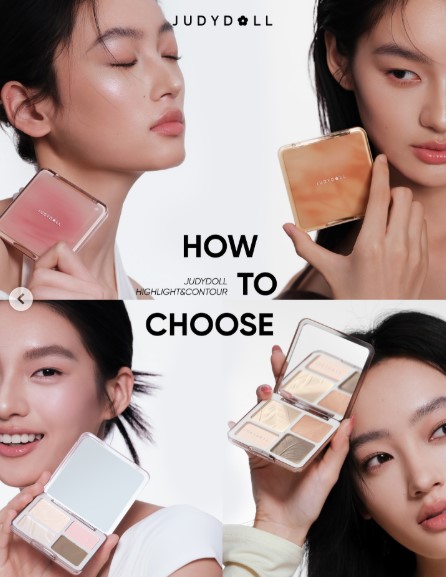
Price accessibility adds another layer of appeal. For students and young professionals balancing style aspirations with financial realities, C-beauty offers freedom to experiment without guilt. Lip muds from brands like ‘Into You’ or vivid palettes from ‘Judydoll’ deliver high-quality colors and textures at a fraction of luxury prices. Social validation amplifies the effect – once a product earns online praise from peers, curiosity quickly turns into trial and purchase. In a generation where recommendations spread faster than ads, authenticity matters more than aspiration.

©Judydoll

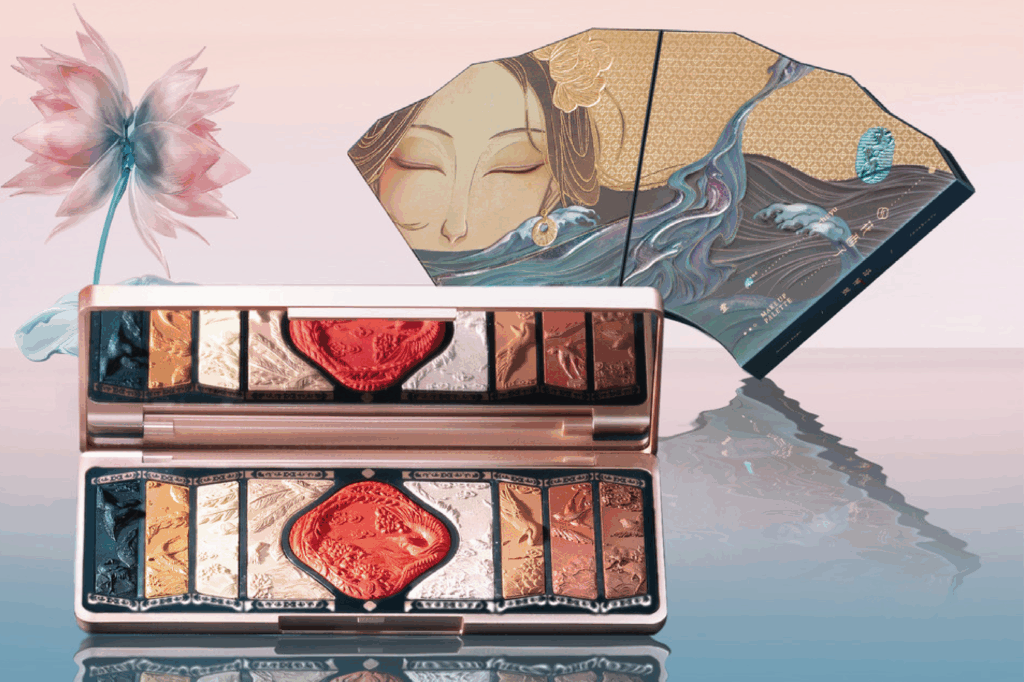
Design is another key factor behind C-beauty’s appeal. Brands such as ‘Florasis’ have perfected the art of cultural storytelling through visual craftsmanship, drawing on motifs from classical Chinese art and architecture to create artistically designed compacts that feel both collectible and expressive. For many young consumers in Korea, these items function as cosmetics and lifestyle objects at once. When packaging itself becomes an act of self-expression, every product naturally becomes content worth sharing.

Of course, C-beauty’s growth hasn’t been without challenges. Some early leaders struggled with brand fatigue and market saturation, showing that viral popularity alone cannot sustain long-term growth. Yet the broader momentum remains strong because it mirrors the rhythm of Gen Z consumption – fast-evolving, visually driven, and emotionally charged.

@Florasis

For global brands observing this shift, the lesson is not just about cosmetics. It is about how a generation builds meaning through what they see, share, and create together. C-beauty’s success in Korea shows that beauty today is not only about looks but also about expression. Gen Z cares more about showing how they feel, and C-beauty understands that naturally.

Sipping into Wellness

By Daniel Kim

In Korea, as in many other countries, traditional sodas such as Coke or Chilsung Cider are losing their appeal among young consumers. Unlike their parents’ generation, they prioritize health and wellness over indulgent pleasure. Many Koreans in their 20s and 30s are already investing in “slow aging” practices, and they evaluate beverages through the lens of healthy ingredients. This shift is partly driven by a renewed focus on nutrition and immunity in the wake of Covid-19, as more young people are incorporating supplements such as probiotics, vitamins, and omega 3 into their daily routines. 

In this vein, zero-sugar sodas are strongly preferred by young consumers. According to the Korea Times, zero-sugar sodas accounted for more than half of all carbonated beverage sales at convenience store chain GS25 in 2024. A notable example is Narangd Cider Zero, which successfully repositioned its once-outdated brand as a healthier “diet” alternative, resonating strongly with younger, health-conscious consumers. 

As mainstream players adapt, new entrants are seizing opportunities in untapped segments with innovative marketing targeted at younger consumers. Riding on the recent boom in running and hiking, electrolyte hydration drinks – commonly referred as “ion drinks” in Korea – are emerging as a fast-evolving sector shaped by health trends and shifting consumer demands. For instance, established brands such as Powerade and Gatorade have also introduced zero-sugar variants, underscoring the strength of this consumer shift. 

Coca-Cola’s Toreta is positioning itself against market leader Pocari Sweat by highlighting fruit and vegetable extracts as healthier ingredients, while broadening its appeal from men and sports-driven occasions to women and everyday hydration. Meanwhile, Korean start-up Lingtea has redefined the electrolyte drink category with a more medical and scientific approach. Branded as “drinkable I.V.,” Lingtea is promoted as “doctor-formulated electrolyte drink mix,” and has successfully introduced a powdered format in Korea, differentiating itself with functional nutrition and clinical credibility.  

Young consumers drink not only to quench their thirst, but also to supplement their nutrition, and their expectations are becoming increasingly complex. Trends in functional and healthy beverages continue to evolve—from probiotics and protein to enzymes and collagen. Shoppers tend to prefer zero- or low-sugar options, yet still demand a satisfying taste. At the same time, many are cautious about the potential side effects from artificial sweeteners such as aspartame. They are especially drawn to added value and functionality in beverages – products that can support dieting, improve skin health, promote detoxification, relieve fatigue, enhance sleep quality or even help recover from a hangover.

For these young, health-savvy consumers, plain water is no longer enough; they seek drinks that reflect diverse lifestyle trends and evolving wellness needs.