By Daniel Kim
Hyrox is a globally popular fitness sport that combines an 8-km run with eight functional workout stations. The first major Hyrox Seoul event – which was sold out – took place on November 8-9, 2025. Among the more than 6000 participants was Marcus Oh, who also serves as a Hyrox gym affiliation manager. He described the passion shared among the athletes.
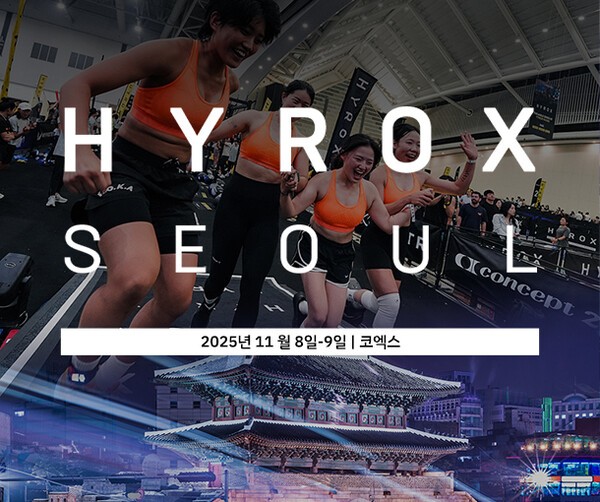
“It was absolutely overwhelming – the DJ’s music and the sound of cheering filled the space. The MC kept everyone engaged, from celebrities and influencers to beginners and older participants. The indoor venue was charged with intense excitement, creating a unique sense of liberation when men went shirtless and women ran in bra tops. The dopamine that Hyrox provides is unmatched.”
Beyond the competition itself, Hyrox offered a range of thoughtful services that enhanced the participants’ experiences. For instance, the Hyrox media team conducted pre-event interviews to create storylines for the MC to engage with participants during the event. Photographers were stationed throughout the course to capture participants’ every moment of effort. “From the lively photos, I could feel as if I were a real professional athlete!” Marcus said.
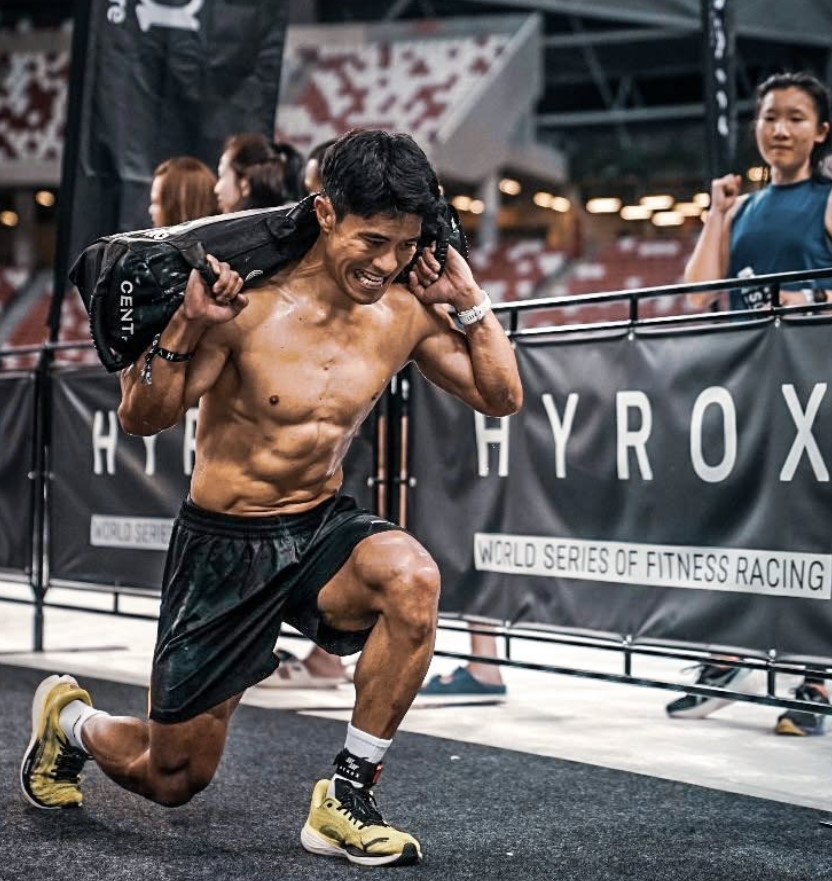
Key takeaways from Hyrox’s potential growth:
- Accessibility compared to cross-fit
Without the heavy weightlifting component, Hyrox demands simpler workouts that are more approachable for beginners and involve a lower risk of injury.
- Distinction positioning from running
While completing a marathon has become a common personal challenge, Hyrox offers something more visually and emotionally rewarding – an “Instagrammable” experience of performing and feeling like a real athlete.
- Immersive event experience
Hyrox delivers the intensity and spectacle of a major sport event, transforming fitness into a shared, emotionally charged experience – sometimes, even in a foreign city.
- Appeal to women
An increasing number of women are shifting their focus from pursuing physical beauty to achieving strength, endurance, and empowerment. In Hyrox Seoul, women accounted for more than 40%.
- Community belonging
Hyrox fosters a strong sense of belonging among its participants. Marcus, for example, connected with other Hyrox athletes through Instagram, and they have since supported one another’s training journeys.
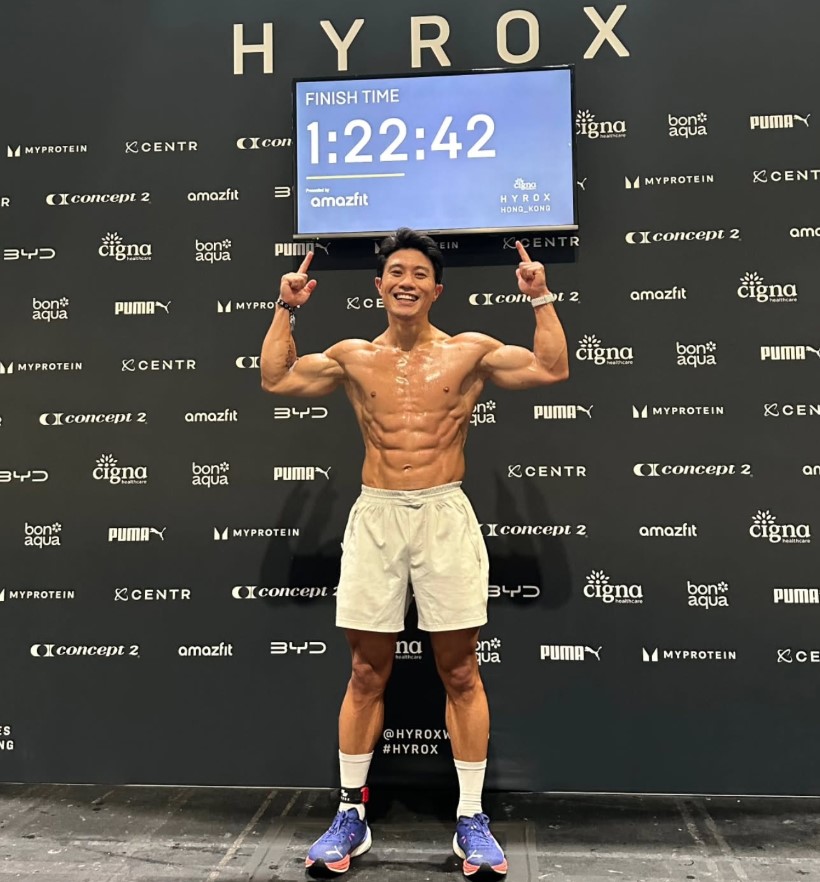
In Korea, Hyrox seeks to expand its business model from an event-based format to a broader lifestyle brand. In this effort, the company aims to affiliate with more fitness centers in Korea, which can incorporate Hyrox training programs. According to Marcus, Korea could serve a significant testbed for Hyrox’s expansion across East Asia, including China and Japan.
However, a key challenge remains – How to shift the perception of Hyrox from a sport for extreme athletes to one that appeals to everyday people – families, casual gym goers, and older exercisers alike.
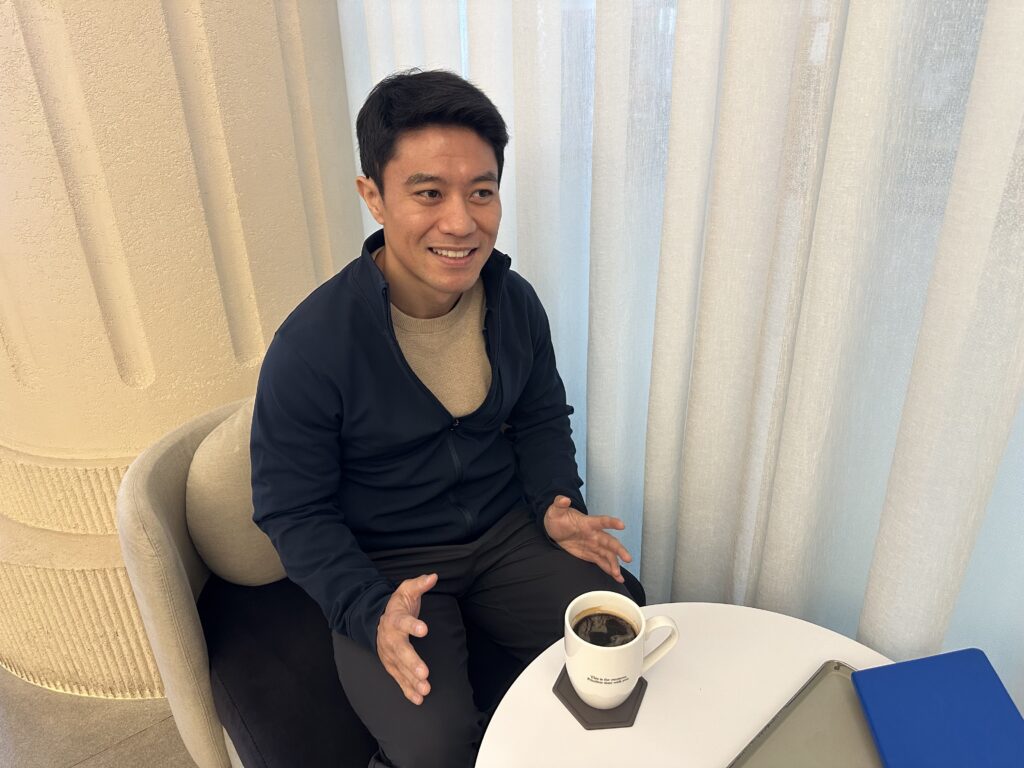
Having previously worked for Lululemon before joining Hyrox, Marcus offered a poignant perspective on marketing for global brands in Korea. “Localization in Korea may be much trickier than global brands might assume, due to the elevated expectations of Korean consumers. Five Guys and Tim Hortons may serve as examples of brands that fell short in adapting to local demands. This year, Lululemon promoted its seamless Align leggings as if they were groundbreaking, even though domestic brands like Andar had already offered similar products back in 2018.”
*This article is based on our interview with Marcus Oh (Hyrox gym affiliation manager).
Marcus Oh’s Instagram: https://www.instagram.com/marcs_race/