By Tracy Shim
We recently encountered a surprising trend while conducting consumer research on confectionery. A Chinese candy called Xiao-ke-ao-ra was gaining significant traction among younger consumers in Korea. Chinese products, especially food items, used to face strong skepticism regarding quality and safety. Realizing that younger Korean consumers no longer carry these rigid preconceptions marked a notable shift.
There was a time when the label “Chinese-style” or Jung-ti, a Korean slang term used to describe a distinct Chinese aesthetic, was largely synonymous with being tacky or poorly made. It carried negative connotations, implying an unrefined excess or questionable craftsmanship. Recently, however, the perception of this phrase among Gen Z has transformed dramatically. As the Chinamaxxing trend spreads across TikTok and Instagram, Jung-ti is increasingly embraced as a bold and eccentric style with a unique, offbeat charm that feels unexpectedly cool. Xiao-ke-ao-ra itself gained popularity after going viral through short-form videos on social media. Indeed, big data analysis reported in the media shows that mentions of Jung-ti jumped by more than 250% over the past year, with positive sentiment exceeding 70%. Words like “pretty” and “eye-catching” are now frequently attached to it.
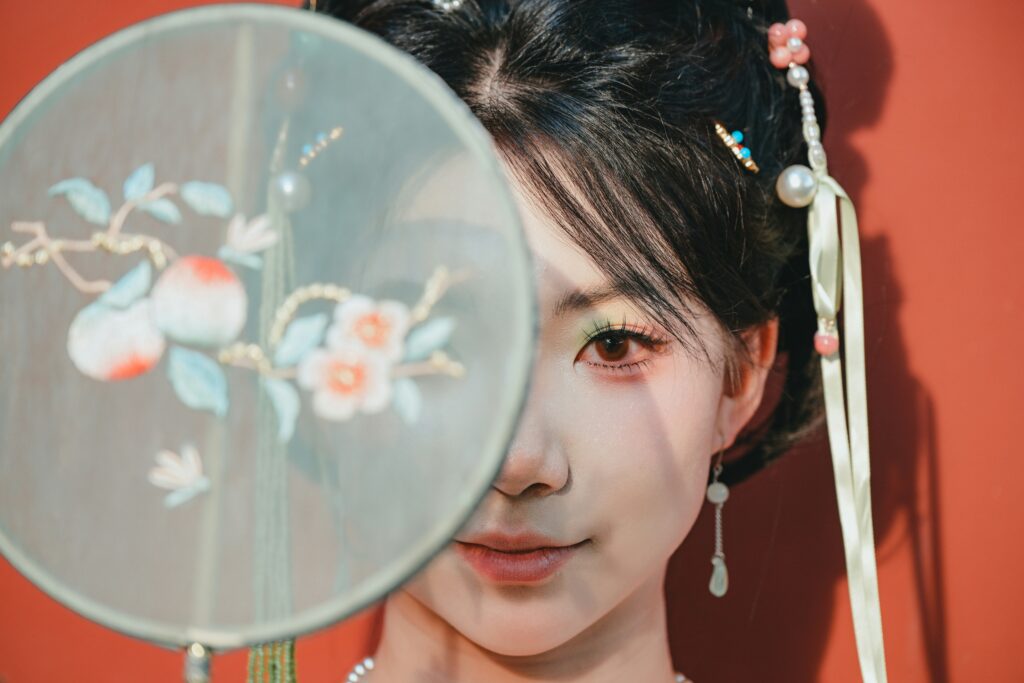
Much like how traditional Korean culture was once dismissed as cheap tourist souvenirs before being reinterpreted into a modern trend, how did this once-shunned Chinese aesthetic find its way into the preferences of today’s youth? Dismissing this as a fleeting fad overlooks a fundamental shift in how Gen Z consumes culture. This phenomenon is driven by a combination of evolving media environments, idol fandom culture, and a pragmatic attitude that strictly separates culture from politics.
What first broke down this cultural barrier was short-form media. On fast-paced feeds like Instagram Reels or TikTok, where content must capture attention within 15 seconds, the vivid colors, dramatic embroidered puffer jackets, and Douyin makeup style characteristic of Chinese trends function not as tackiness, but as high-impact visuals. As the term Jung-ti turned into a playful meme, the psychological threshold dropped even further. Phrases like “You look so Jung-ti today” are no longer insults meant to mock, but playful and affectionate teasing shared between friends over an exaggerated outfit. By treating the exaggerated style as a game rather than forcing it to look classy, initial resistance naturally faded away.
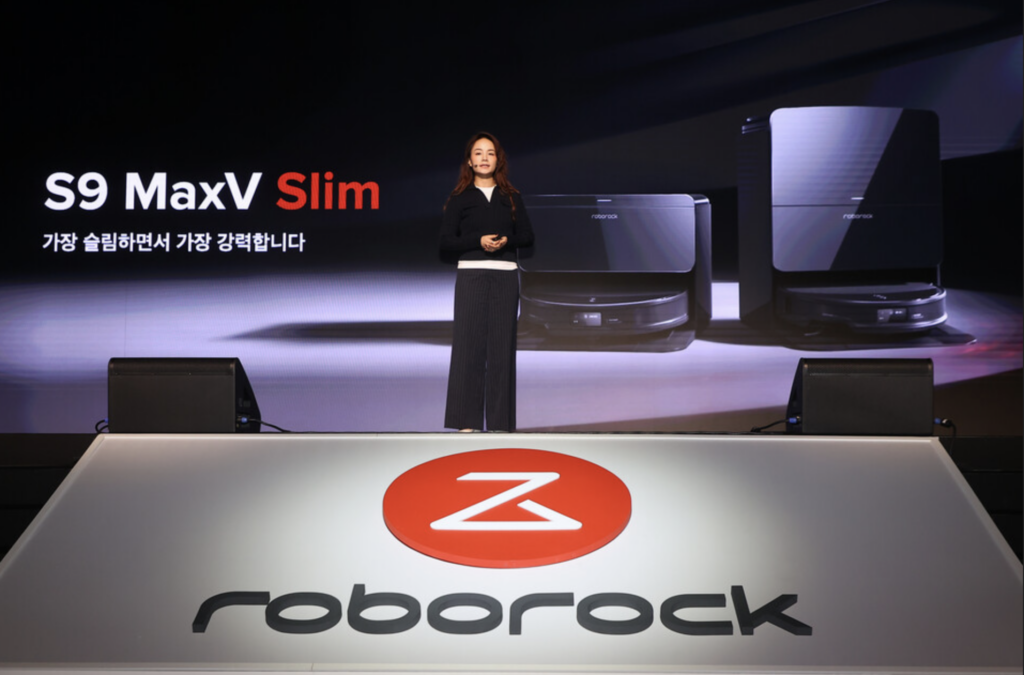
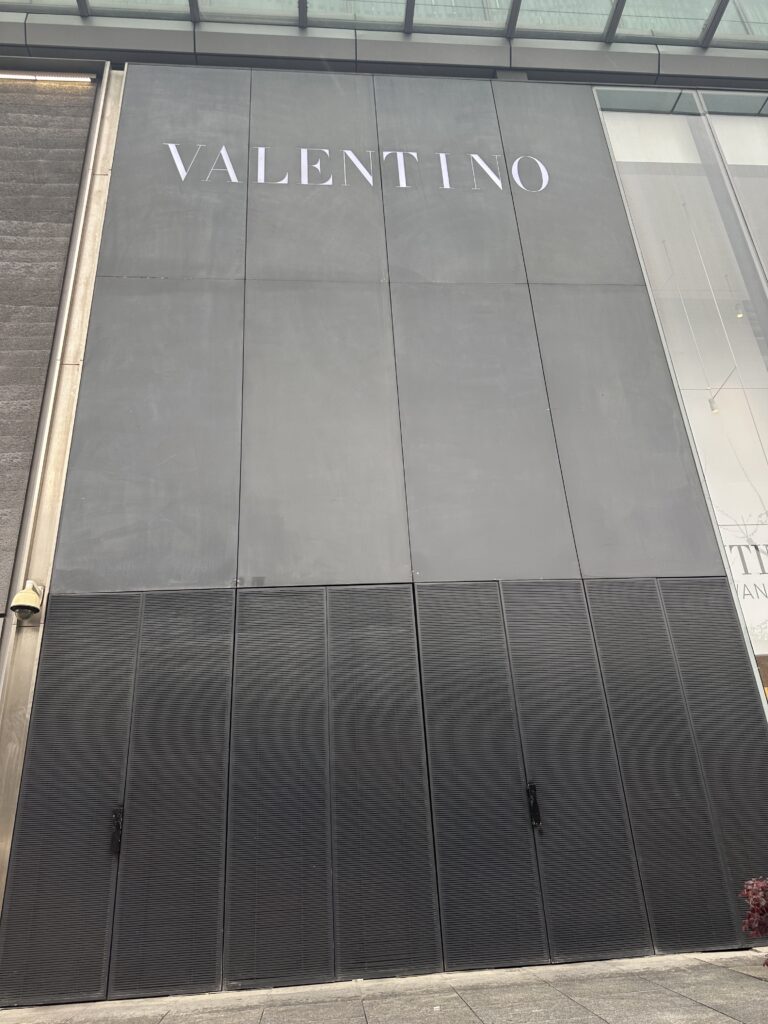
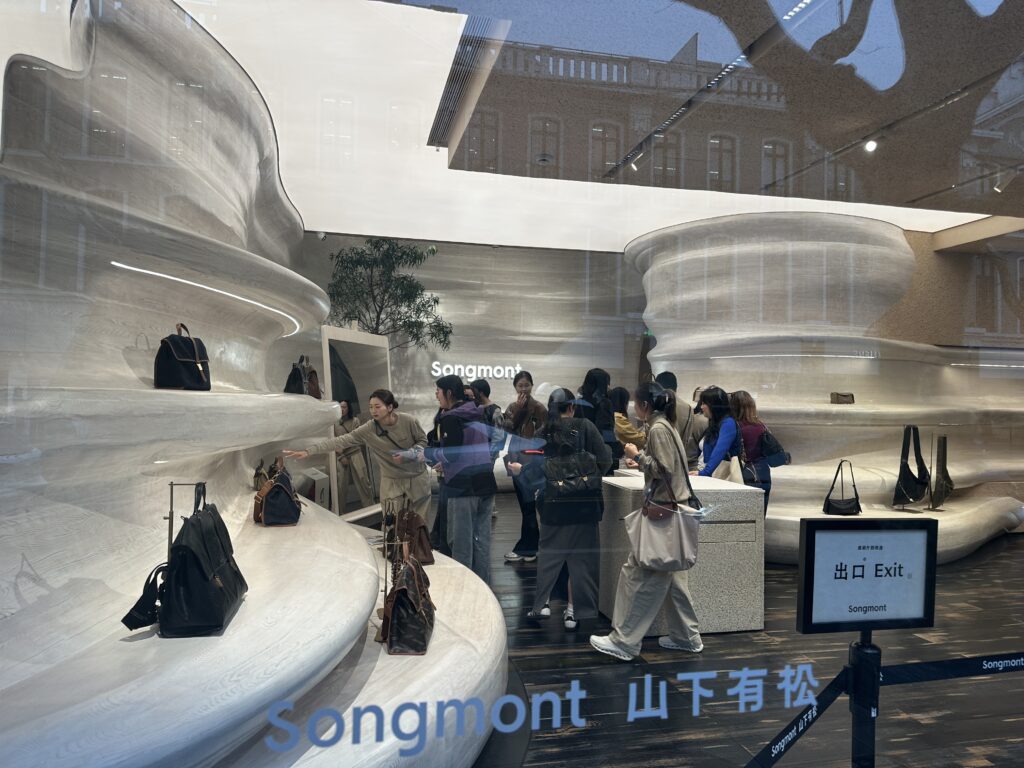
In the past, Korean consumers teased Xiaomi products as “mistakes of the mainland” or dismissed Dyson knockoffs as mere “Chysons,” reflecting a widespread belief that while Chinese goods were cheap, their quality could not be trusted. Today, however, Roborock has established itself as a market leader in robot vacuums, while DJI action cameras and Laifen hair dryers are recognized as high-end, well-made devices through word of mouth. Although less known in Korea, luxury leather brand Songmont and high-end jewelry label Laopu Gold are now seen as sophisticated brands worth checking out when visiting Shanghai. As these positive experiences accumulate, younger generations are coming to view Chinese brands not merely as budget options, but as emerging players in global lifestyle trends.
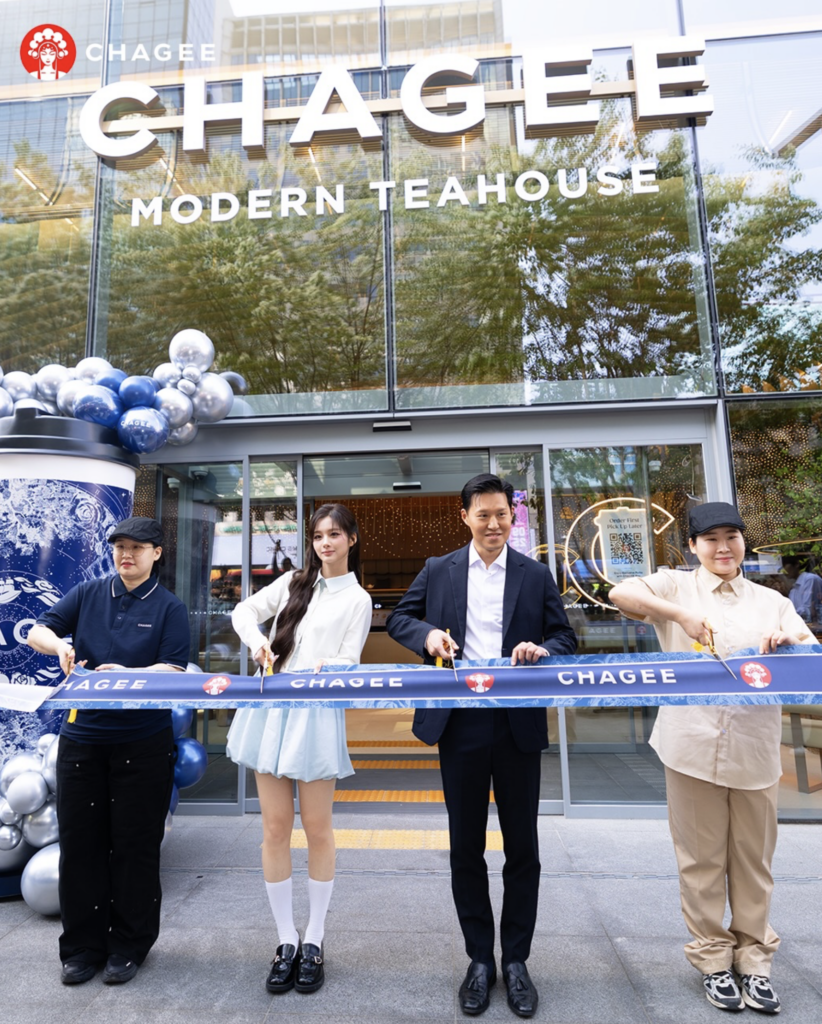
This shift extends beyond fashion and tech into everyday lifestyle habits. Food culture, which has become deeply embedded in Gen Z routines, tells a similar story. Activities like joining short-form video challenges for Haidilao’s table-side dances, or buying drinks from CHAGEE (a Chinese tea brand that went viral after IVE’s Jang Wonyoung featured it on Instagram), are no longer viewed as niche exotic experiences. Consuming intense, vibrant food culture as a form of social entertainment has played a key role in easing resistance to Jung-ti aesthetics.
Global members of K-pop groups have served as crucial bridges in translating these quirky trends into desirable tastes. High-profile Chinese idols like Zhang Hao of ZEROBASEONE and Ningning of aespa act as natural messengers, introducing authentic fashion, beauty, and lifestyle elements from their home country to Gen Z audiences. Exposed to these styles through the polished lens of the K-pop system, young consumers respond to talent and star power rather than national origins or political narratives. Styles worn by well-liked figures are transformed from alien concepts into aspirational trends worth trying.
Adding to this momentum is the direct appeal of Chinese entertainment content. Younger audiences increasingly enjoy the grand visuals of high-budget Xianxia fantasy and period dramas, while consuming micro-dramas with episodes lasting just one or two minutes during brief moments of downtime. Chinese historical series on Netflix have built dedicated fan bases for Chinese actors through grand scale and unfamiliar narratives rarely seen in Korean dramas. This raises the intriguing possibility that a China Wave could eventually compete with the global reach of the Korean Wave. Crucially, this reflects a complete separation of cultural consumption from political perceptions. For today’s consumers, the criteria are simple: “Is it entertaining, and is it visually engaging?” When content delivers immediate fun, national prejudices fade into the background, leaving only pure personal preference.
Ultimately, the growing popularity of Jung-ti does not necessarily signify a rise in political or national affinity toward China. Rather, it is the result of short-form media lowering barriers, K-pop idols bridging cultural gaps, and engaging content delivering straightforward entertainment. Instead of mocking unfamiliar styles, Gen Z approaches them with flexibility. Their ability to find fun in the unfamiliar, spot coolness in the exaggerated, and use difference as a tool for self-expression has fundamentally redefined what Jung-ti means today.

Key Takeaways
- Gen Z embraces the unfamiliar by reframing it as playful memes
Rather than forcing awkward or exaggerated styles into conventional luxury, consuming them through memes naturally dilutes resistance. Gen Z reinterprets aesthetics outside the mainstream as playful, self-expressive, and cool.
- Direct entertainment value and relatable messengers override preconceptions
Immediate visual appeal and familiar intermediaries, such as well-liked idols and influencers, open consumer minds far more effectively than rigid preconceptions. Brands should focus on clear, immediate charm rather than overly complex narratives.
- Lower cultural barriers expand rapidly across the entire lifestyle
A cultural threshold lowered in one format, such as short-form video, quickly spills over into daily habits like food culture and entertainment content. Brands must look beyond simple product sales and integrate into the lifestyle playgrounds of Gen Z.