By Tracy Shim
When people describe the popularity of Korean professional baseball, they often begin with packed stadiums and passionate cheering. Yet understanding how the sport is changing also requires looking at fans’ lives after the game. Fans buy bread at convenience stores to collect stickers of their favorite players, wear clothing created through collaborations between teams and fashion brands, and attach team mascot keychains to their bags. These are everyday expressions of their connection to baseball. This was one of the developments I explored in May, when, as Managing Partner of Sentipl, I gave a lecture on Korean baseball fandom and the merchandise business to around 40 students from the AMOS Sports Marketing MBA program. The students came from more than ten countries across Europe, South America, India, and elsewhere, and I was told that most were visiting Korea for the first time. For an audience familiar with different sports markets, explaining Korean baseball meant going beyond the atmosphere in the stands to examine how these fan relationships have developed and how they translate into business value.
From Corporate Promotion to Commercial Value
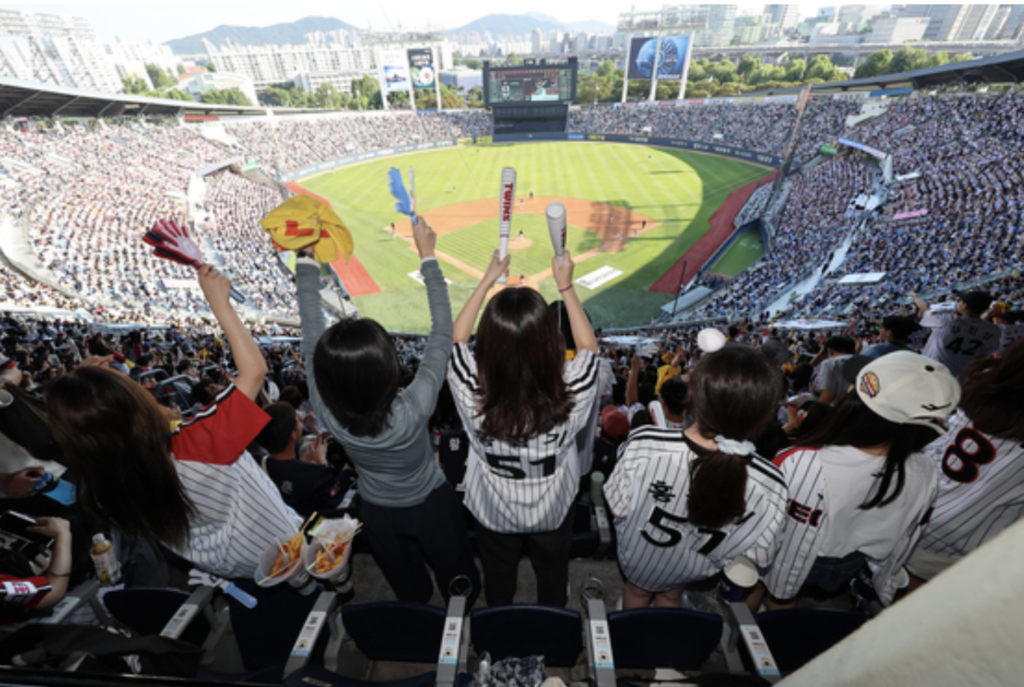
The starting point is the way Korean professional baseball has grown. In Korea, having a company’s name in a team’s name feels entirely natural. For international readers, however, this relationship is an important feature of the market that needs explaining. Teams have long promoted their parent companies and helped them build relationships with local communities, while those companies have provided financial support for team operations. A team’s value has therefore been assessed through its contribution to corporate reputation and brand exposure as well as its own financial performance. This background helps put the recent attendance boom into perspective. Cumulative regular-season attendance in the KBO League rose from approximately 10.89 million in 2024 to 12.31 million in 2025. Growing popularity, however, does not by itself establish a team’s ability to generate revenue independently. Alongside advertising and sponsorship tied to parent companies, revenue from fans and external business partners becomes increasingly important. The commercial question facing Korean baseball is how to turn its established base of attention and emotional attachment into value across a wider range of markets.
One of the clearest measures of this shift is the price of media rights, a key indicator of the commercial value of a sport. Consider TVING’s digital rights alone, which are separate from terrestrial and cable television rights. The 2024–2026 agreement was worth KRW 135 billion over three years, or KRW 45 billion annually. The proposed renewal for 2027–2031 has been reported at approximately KRW 450 billion over five years, or KRW 90 billion annually. Although the new fee has not been officially disclosed, the reported figures suggest that the annual rights fee would double even as the contract term extends from three years to five. The growing excitement in the stands is being reflected in the price the market is willing to pay for the attention and fandom surrounding Korean baseball.
From Cheering to Everyday Expressions of Fandom
While media rights fees reveal the commercial value of fandom, the way game footage circulates helps explain how that fandom can grow. Under the 2024 agreement, fans were allowed to use game clips shorter than 40 seconds on social media platforms such as YouTube and Instagram. Live broadcasts bring existing fans back to watch, while an impressive defensive play or an amusing moment shared by a fan can reach someone who has never watched a full game. Fans select moments they enjoy, add their own context, and pass them on to others. A brief scene becomes a topic of conversation and, potentially, someone’s first reason to take an interest in baseball. What fans choose to watch and share influences how far sports content travels. Their activity both reflects the sport’s popularity and helps generate new interest.
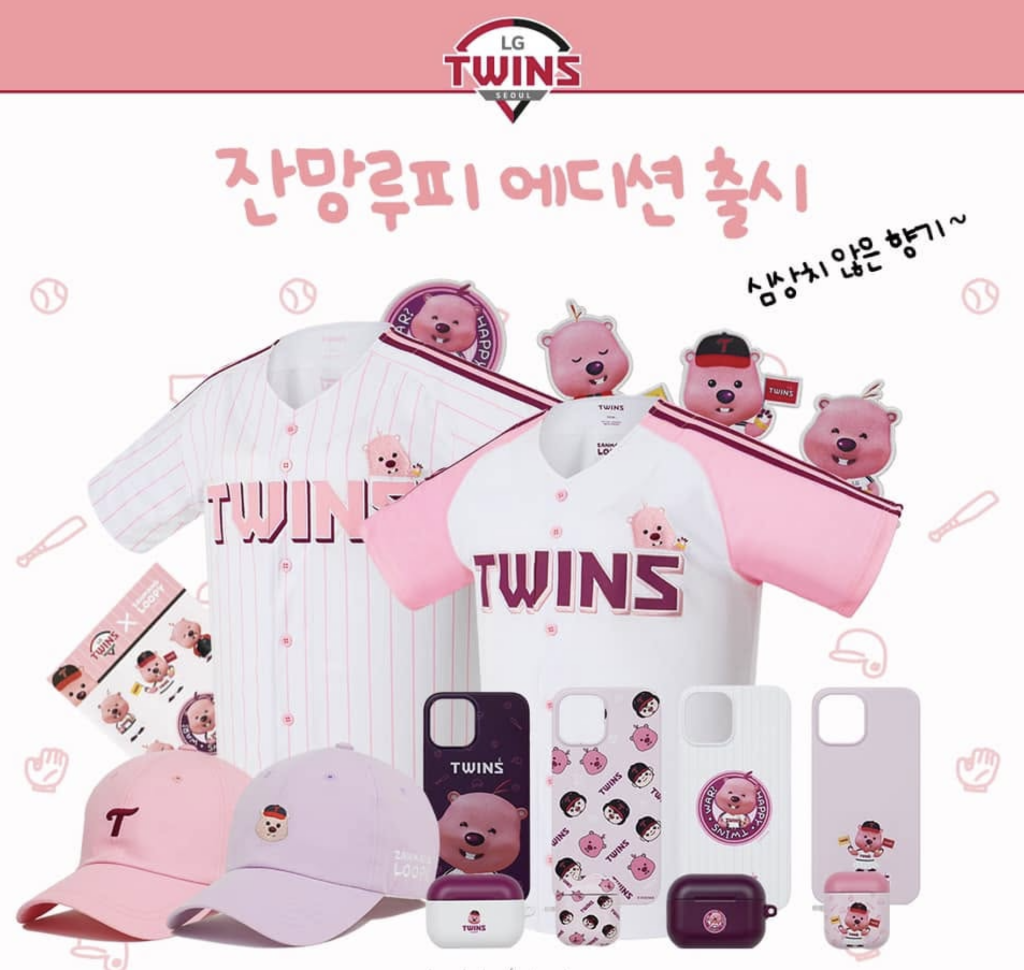
The changing ways fans engage with baseball are also visible in team merchandise. The growth of younger female fandom has been part of the recent surge in Korean baseball’s popularity and attendance. Some of these fans bring experience from K-pop, character fandoms, fashion, and other cultural interests into baseball. Collecting, decorating, and sharing things connected to what they love are familiar activities that naturally carry over into supporting a team. Fans may cheer for the same club while choosing different jersey styles, carrying photo cards of their favorite players, and personalizing their cheering accessories.
Bringing Baseball into Everyday Life
Merchandise consumption and interest in baseball can also reinforce each other. A female fan deeply engaged in player statistics and game strategy may choose a jersey or a cute keychain that suits her taste. Equally, someone may first be drawn to a character product and then begin following the team and watching its games. Merchandise gives existing fans a way to express both their loyalty and their individual style, while offering newcomers a familiar entry point into the sport. The merchandise business therefore needs to preserve the history and symbols that established fans value while creating designs that appeal to people who are still getting to know baseball.
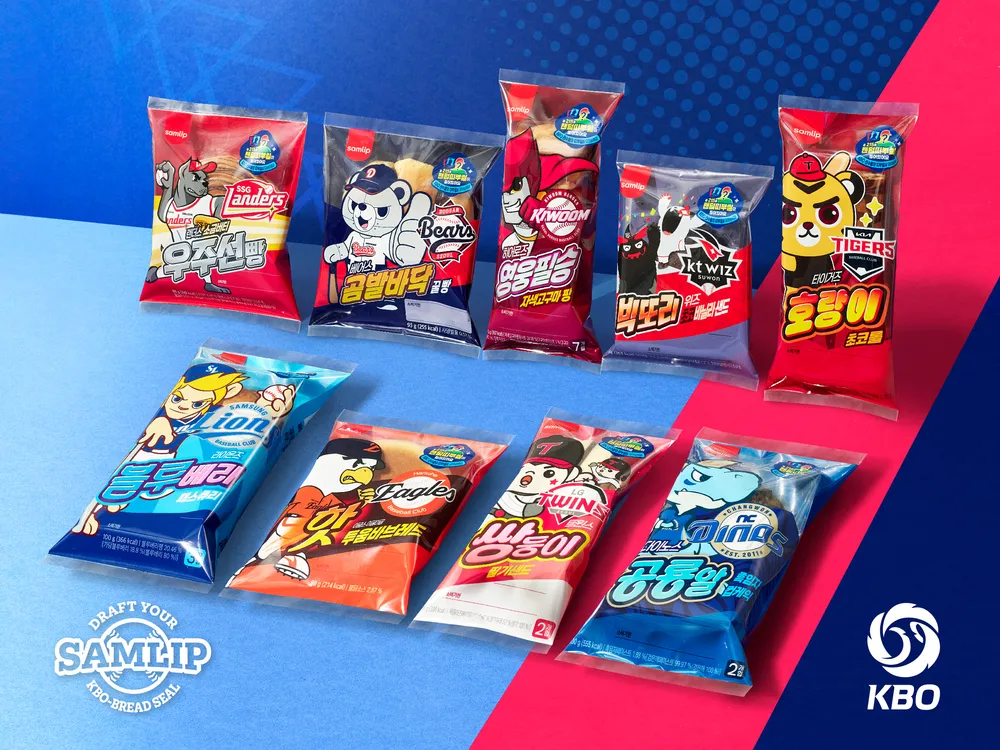
“KBO Bread,” packaged with randomly selected stickers of players and mascots, shows how these motivations can connect with everyday purchasing. Buyers anticipate which sticker they will receive, collect favorite players, and exchange duplicates with other fans. A small element of play extends the experience beyond the purchase into collecting and conversation. The convenience-store channel matters as much as the product itself. While attending a game requires planning around the schedule and traveling to the stadium, a visit to a convenience store can easily fit into a commute or lunch break. Fans can encounter their team as part of their normal routines, even on days when they are not watching baseball. A product range spanning multiple clubs also allows supporters of different teams to participate in the same collecting experience. For the league and its teams, this creates more opportunities to engage fans. For food brands and retailers, it gives consumers a fresh reason to choose a familiar product category. The value of sports fandom to external businesses becomes tangible through this combination of product and distribution.
Turning Team Identity into Lifestyle Products
Where convenience-store products increase the frequency of fan contact, fashion collaborations broaden the ways people can express their support. Loving the same team does not mean wanting to wear the same clothes. Team symbols therefore need to be interpreted in ways that fit fans’ personal styles. The Samsung Lions’ collaboration with SAN SAN GEAR is interesting for the way it brings the club’s history and identity into contemporary fashion. Details such as retired jersey numbers carry shared memories into a new design. A team’s heritage becomes a source of differentiation that another brand cannot easily replicate. The LG Twins’ collaboration with BDNS, a content channel led by a longtime supporter of the club, can be understood in a similar way. A partner who understands the language and memories of a fan community can incorporate details that resonate with its members. A club offers its commercial partners licensing rights and access to fans, but the value fans find in a product also includes the memories and affection attached to its symbols. The strength of a collaboration depends on how well it captures that meaning.
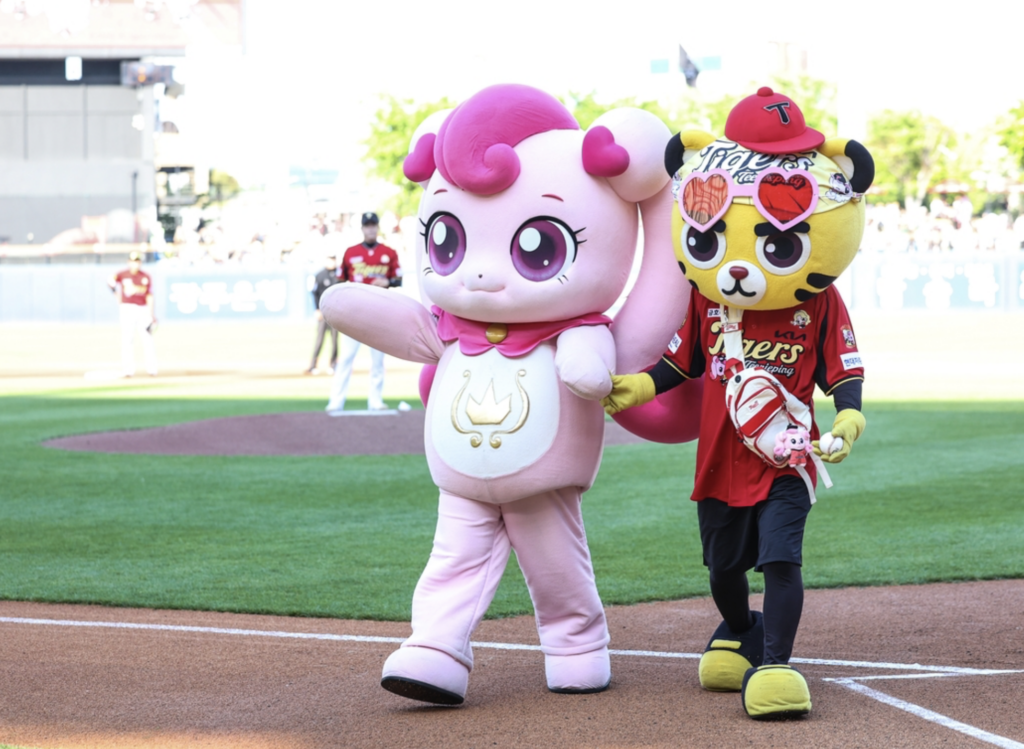
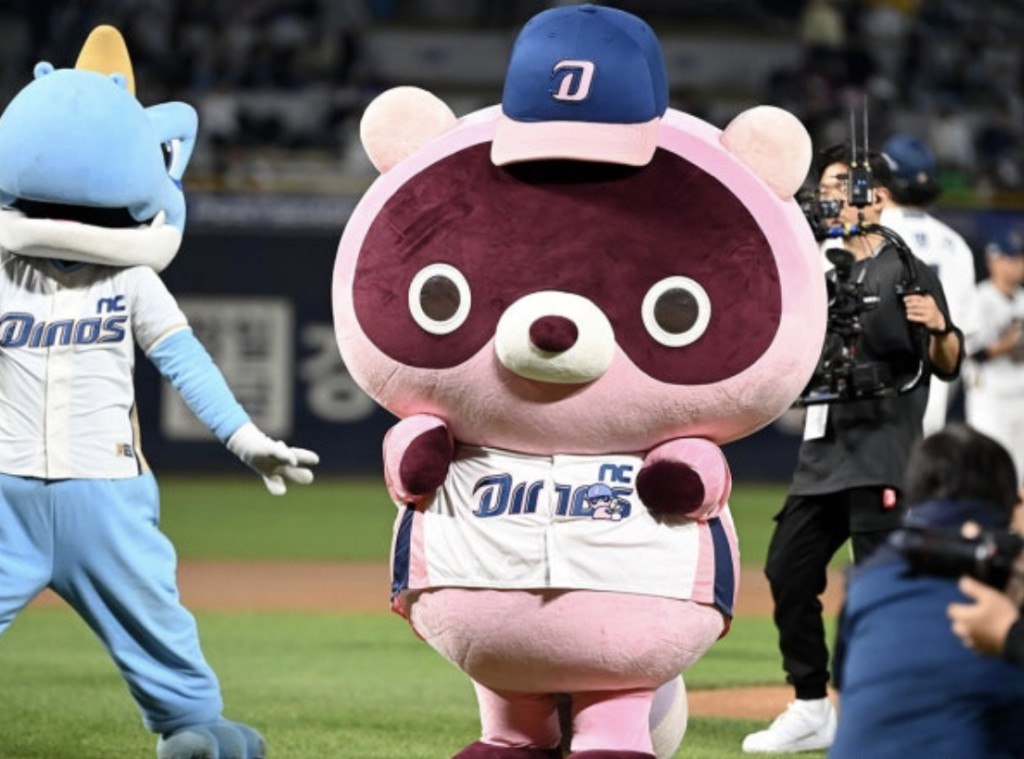
Choosing a partner therefore requires looking beyond recognition to consider which fans, experiences, and emotions the collaboration can connect with. The KIA Tigers’ collaboration with ‘Teenieping’ gives children a familiar way to connect with the team and its players. By contrast, through its collaboration with the NC Dinos, DOGURI connects with working fans who visit the ballpark to unwind after a stressful day. The character’s stories about the frustrations of office life resonate with these fans’ everyday experiences. Both involve cute characters, but they offer different reasons to engage and different possibilities for building relationships. The same attention to individual experience and taste also makes customizable merchandise worth considering. Fans who add patches to jerseys or combine keychains and photocards show that teams and their partners do not have to deliver every form of expression as a finished product. When fans can add their own taste to shared symbols, they can experience belonging while expressing their individuality. A product’s value continues to develop as fans use and personalize it. Deciding how much room to leave for that participation is itself an important product decision.
From Fan Engagement to Sustainable Revenue
Assessing these examples commercially requires an understanding of both fandom and revenue structures. Whether a club seeks direct product sales, licensing income, or contact with new audiences will influence its choice of partner and operating model. A convenience-store product such as KBO Bread and a fashion collaboration built around team heritage cannot necessarily be judged by the same criteria. A limited edition selling out quickly may indicate strong demand, but it does not tell the whole story about sales volume or profitability. It is also important to consider who bears production and inventory risk, how revenue is shared, and whether fans continue using the products and respond to future releases. Turning fan interest into a purchase and building a sustainable business around that purchase are connected tasks that require different capabilities. Understanding the cultural context helps determine what to offer, while understanding the business model helps determine how to deliver it and evaluate its success.
Taken together, these developments suggest that the transformation of Korean baseball means more than rising attendance and a wider variety of merchandise. Korean clubs have long been valued partly for promoting their parent companies. Fans’ sustained attention and spending are now creating additional commercial value for those clubs across a wider range of markets. Higher media rights fees show what the market is willing to pay for that attention, while products and collaborations that enter everyday life create new ways to maintain fan relationships. Whether this growth translates into stable income for clubs remains a separate challenge. It requires understanding the meaning fans attach to their teams, expressing that meaning through appropriate products and experiences, and establishing business models that can sustain them. Korean baseball is now finding more ways to turn the emotional connections built over many years into lasting commercial value.