Interview with Sher Le, Senior Regional Brand Director (APAC) for SHISEIDO
by Tracy Shim
A shopper tries a foundation at a department store, only to purchase it later online. Another returns to the same beauty counter to consult a beauty adviser she has trusted for years. Both are navigating the Korean beauty market, yet their choices reflect different priorities—convenience, hands-on product experience, and personal relationships.
South Korea is widely recognized as the birthplace of K-beauty, with Korean beauty brands making their mark on the global stage. Yet the international success of these brands tells only part of the story. To fully understand Korea’s distinctive position within the Asia-Pacific (APAC) beauty market, we need to look beyond the global K-beauty phenomenon and explore how Korean consumers shop, what drives their choices, and how their behaviors compare with those of consumers across the region.
Sentipl spoke with Sher Le, Senior Regional Brand Director (APAC) for the SHISEIDO brand, based in Singapore. Drawing on her experience, this article explores how Korean consumers discover products, decide where to buy, and choose whether to stay with a brand. Comparisons with other APAC markets help explain how Korea’s online shopping habits, fast product innovation, and personal service shape these decisions. For international brands entering Korea, these insights can help them compete in a market with many strong alternatives. For Korean brands expanding overseas, they raise a different question: which strengths can travel, and what needs to change to fit local habits?

Beauty Shoppers Take Different Purchase Paths Across APAC
One important difference across APAC markets is how consumers discover and buy beauty products. In Sher Le’s experience, stores still play a major role in Taiwan. In Southeast Asian markets such as Vietnam and Thailand, younger consumers increasingly discover products through TikTok and social commerce. The choice of shopping channel can also vary by product category. Makeup and fragrance are driving social commerce, while skincare plays a smaller role.
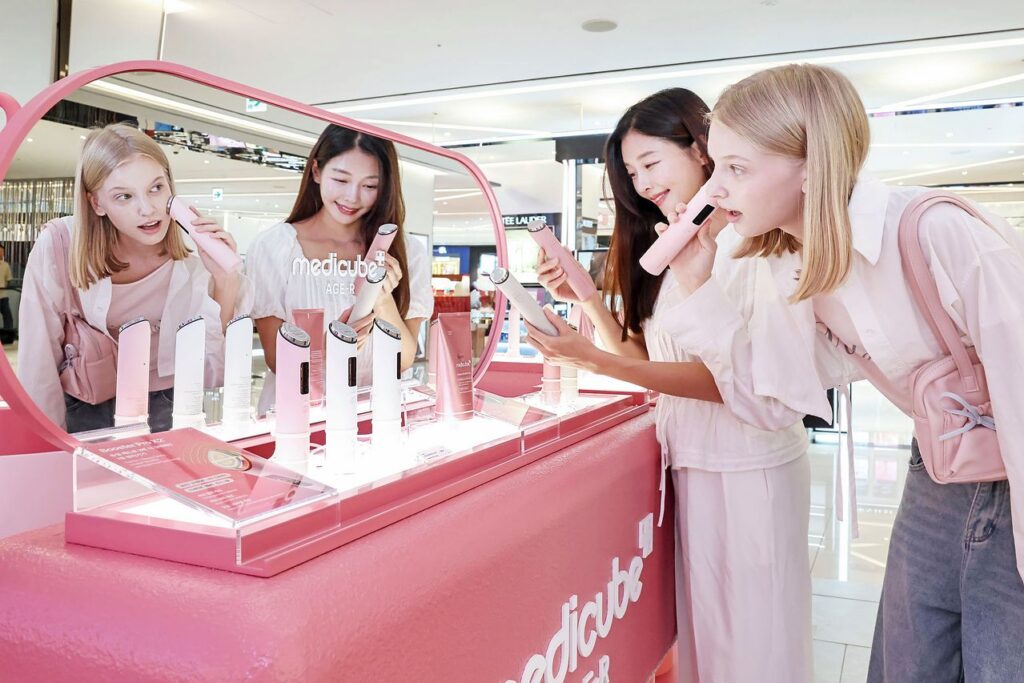
While social commerce is changing how younger consumers discover products in Southeast Asia, Korea shows how online shopping and physical stores can work together. Buying online is already common, but many consumers still want to try products in person. The comparison is about more than how much people use digital channels. It is also about which part of the purchase happens in each place. Sher Le highlighted a familiar habit among Korean shoppers: trying a product in a store, then buying it online. She first noticed this when working with Korea in travel retail in 2012. She sees it as more common in Korea than in many of the other APAC markets she manages. Several practical benefits help explain this behavior. Fast delivery, discount vouchers, credit card benefits, and membership points all make online shopping attractive. In other markets, samples and personal service may encourage shoppers to complete the purchase at the counter.
Even when shoppers complete their purchase online, the store may still play an important part in their decision. Advice from a beauty adviser can help them choose the right shade or texture and feel confident about buying. For brands, this means that online sales may partly depend on the experience offered in store. Looking only at where the payment happens could overlook that contribution. For brands in Korea, this means connecting the store experience with the online purchase. Product information and offers need to be clear across both, so shoppers can move easily from trying a product to buying it. Each channel should also be evaluated for the part it plays in that process. The same principle applies to brand events, which may create useful content and build interest even when sales on the day are limited.

Fast Innovation Make Korean Consumers Switch More Frequently
Reaching consumers through the right channels is only part of the challenge. Brands also need to understand how quickly the products competing for attention can change. Sher Le described Taiwan as a mature beauty market where changes can be slower and less obvious. In Korea, she sees faster innovation and a wider choice of products.
This difference becomes clearer when looking at what Korean brands offer. Sher Le recalled buying a cushion foundation herself and being impressed by its light texture. Beyond cushions, she highlighted the many formats, finishes, and textures developed for different needs. As she put it, “The texture is like a library.” The same attention to detail appears in how brands describe skin concerns. Pore care was one example. Korean brands can describe concerns in detail, including how deep or wide pores appear. This gives consumers a more specific reason to consider a product. It also makes the product’s purpose easier to understand. Together, these choices give consumers more ways to find something that suits them. They also help explain why Korean shoppers are willing to try different brands. Drawing on research her team has used, Sher Le linked this willingness to the range of options and the speed of innovation. When new products offer different textures, formats, or benefits, shoppers have more reasons to explore.
For brands, this creates a continuing need to stay relevant. Sher Le described Korea as a crowded market where attention moves quickly. Regular campaigns and activities can help a brand remain visible, while a single successful campaign may not be enough. Strong local competitors make this especially challenging for international brands. The comparison with Taiwan helps explain why a regional campaign schedule may need to change by market. Where new choices appear quickly, brands need to respond to a shorter cycle of attention. But staying visible is only the first step. The next challenge is giving consumers a reason to buy again.
Good Products and Trusted Advisers Give reasons to Stay
A willingness to try new products does not mean consumers switch everything in their routine. To understand repeat purchase, brands need to look more closely at which products people keep and why. Sher Le repeatedly stressed the importance of a good formula. Marketing can encourage trial, but the product itself needs to meet expectations. This is especially clear in categories where finding a good fit takes time. Speaking about luxury beauty shoppers, she said consumers may stay with serums or creams when they believe these products work well for their skin. They may also keep buying the same foundation once they find a good match. Lip products, on the other hand, can be easier to replace because consumers have so many options. The same shopper may be loyal to one part of a routine and experiment with another.
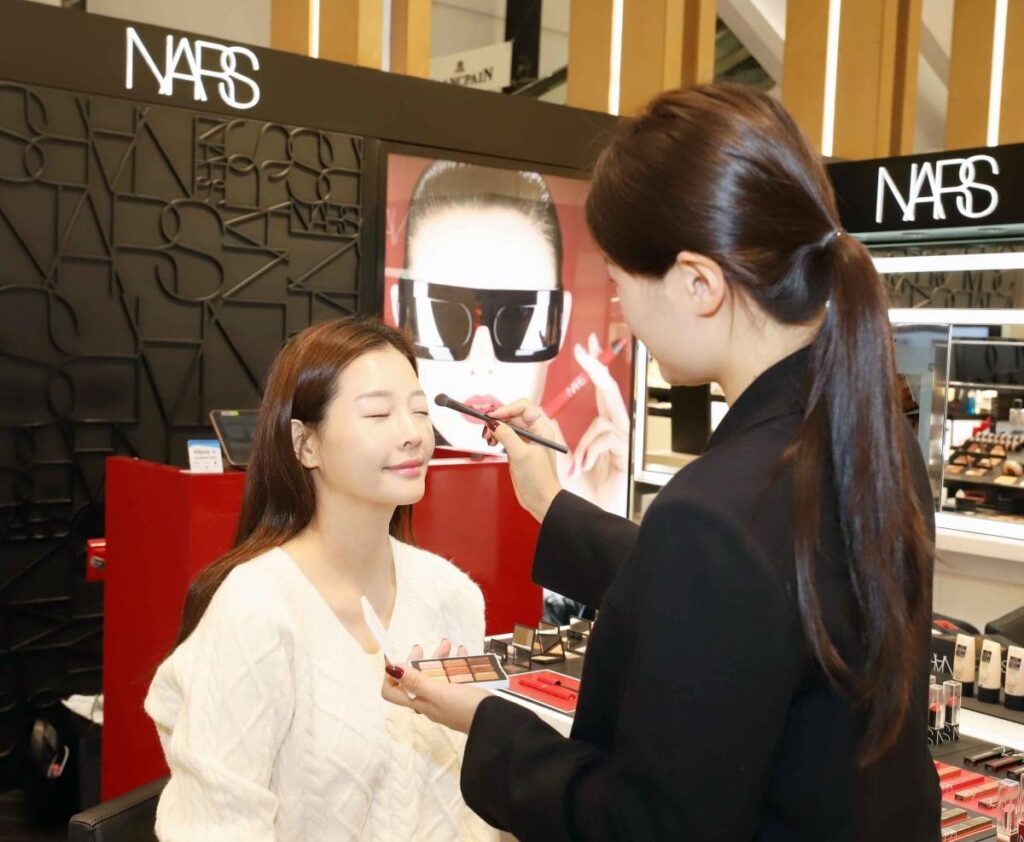
A product that works well can encourage repeat purchase. But the relationship around the product can also give consumers a reason to return. During visits to Korean department stores, Sher Le saw older customers returning to beauty advisers who had worked there for many years. These customers did more than choose a product. They spent time talking, receiving treatments, and getting advice. In these cases, customers trusted both the product and the person selling it. A familiar adviser understood their needs and gave them personal attention. For these customers, the relationship was part of what made premium beauty worth paying for.
These visits show why strong online sales do not make personal service less important. Some shoppers use stores to choose a product before buying online. Others return because they trust the person advising them. Brands need to understand which role the store plays for each customer, even within the same market.
Korean Brands Need a Local Focus to Expand across APAC
The product variety that gives Korean consumers more reasons to experiment can also help Korean brands attract interest overseas. But offering many choices does not automatically give consumers a clear reason to choose a particular brand. The challenge is to decide which product best introduces the brand to each market. To build that clear introduction, Sher Le recommended investing in a hero product, meaning the product consumers most strongly associate with the brand. It gives people a reason to remember and choose it. A broader range is still useful, but promoting too many products at once can make that reason harder to see.
Choosing which products to lead with also requires an understanding of local habits. Sher Le’s work with a global brand in India offers a useful example. She described consumers’ interest in familiar local ingredients and remedies. She also noted that their routines may have fewer steps than the brand’s full routine. This affects which products it introduces first and displays most clearly in stores. Although this example comes from a global brand, the question is relevant to Korean brands too: which products fit the way local consumers already care for themselves? Adapting to a market means more than translating an advertisement. A full routine may appeal to some shoppers. For others, starting with a few relevant products may make a brand easier to understand and try.
The link between innovation and local needs is therefore important. The variety developed by Korean brands provides many possible ways to enter a market. Local habits help determine which products to lead with, while a clear hero product helps consumers remember the brand. Success depends on bringing these decisions together.

What Travels across APAC, and What Needs to Change?
K-beauty’s success overseas does not mean that other APAC markets will follow Korea’s shopping habits. Nor does an international brand’s success elsewhere guarantee that Korean consumers will choose it. Product quality and innovation can give a brand a strong starting point. But each market shapes how consumers discover those strengths, decide to buy, and build trust. The task for brands is to understand which strengths they can carry into a new market and which parts of the shopping experience they need to adapt.