By Daniel Kim
🔎 The Return of Homo Faber: Rediscovering the Joy of Making in the Age of AI
As AI increasingly enhances human creativity across art, design, music, and writing, a fascinating paradox is emerging: while technology makes creation easier than ever, people may feel a growing desire to reconnect with the authentic experience of making things with their own hands.
Perhaps this reflects our fundamental identity as Homo faber—the human as maker.
Last week, we had an exciting opportunity to immerse ourselves in the world of young hobbyists in Seoul, uncovering fascinating insights into the evolving culture of hobbies and creativity.
Here are four themes that particularly stood out:
🧩 Tangible, Hands-on Joy
In an increasingly digital world, many participants described finding peace and calm in the simple act of crafting or building something piece by piece.
They emphasized “son-mat” (손맛)—a Korean expression capturing the tactile pleasure and satisfaction of making things with one’s own hands.
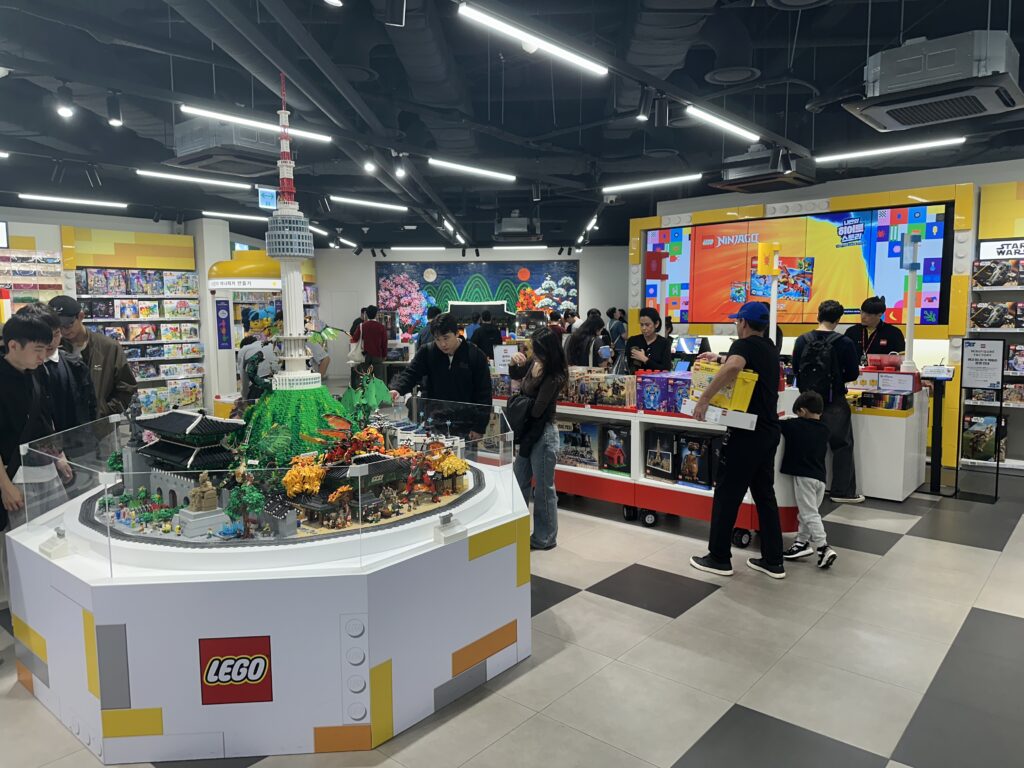
Beyond the sensory pleasure, these activities also evoke nostalgia, reconnecting people with childhood memories of crafting, building blocks, and the simple joy of making something.
Assembling LEGO sets or playing board games with family and friends offers an opportunity to strengthen personal bonds, replacing individual screen time with meaningful moments of togetherness.
Beyond family and friends, hobbyists are increasingly seeking face-to-face connections with like-minded people in their communities.
Platforms such as Karrot (Danggeun), Korea’s popular neighborhood-based secondhand marketplace app, help hobbyists connect locally. These gatherings foster a sense of camaraderie, often with participants addressing one another by their nicknames.
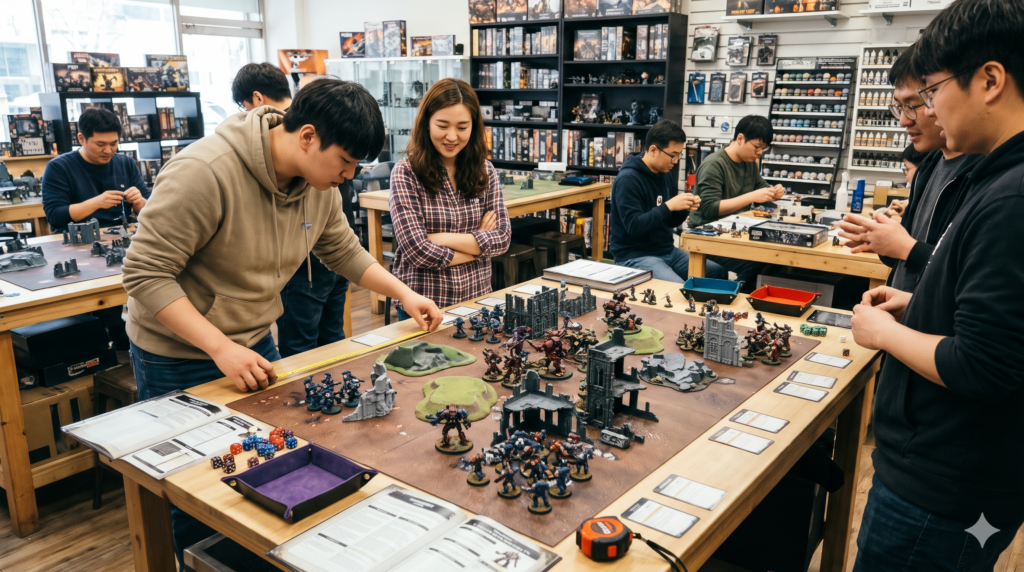
During our weekend observation of Warhammer gamers, we were particularly struck by how social interaction and camaraderie seemed to matter more than competition itself.
🎨 Customization as a Form of Self-Expression
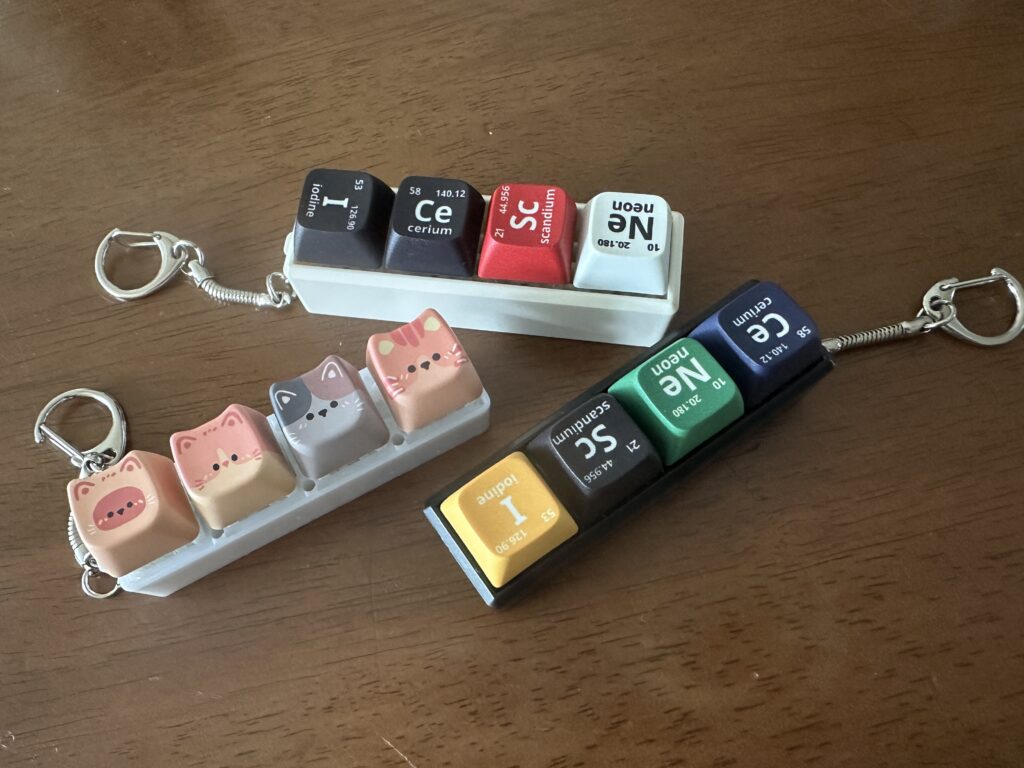
Whether it’s a key ring, phone case, pair of sneakers, or miniature, customization brings a sense of uniqueness and individuality—the joy of creating something truly one’s own.
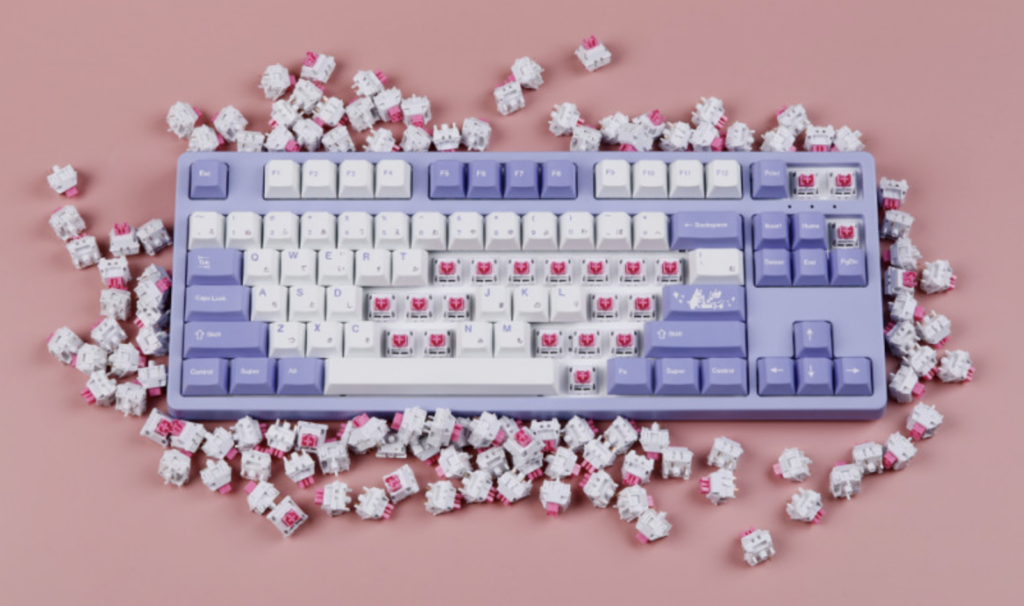
Customizable mechanical keyboards were a fascinating example. Enthusiasts demonstrated remarkable sensitivity to subtle differences in tactile feedback, clicking sounds, and color combinations, carefully fine-tuning every detail to suit their personal preferences.
In Korea, where social expectations of conformity can sometimes constrain overt expressions of individuality, customization may offer young people a small but meaningful space to express their unique identities and personal styles.
✨ Craving for Creativity
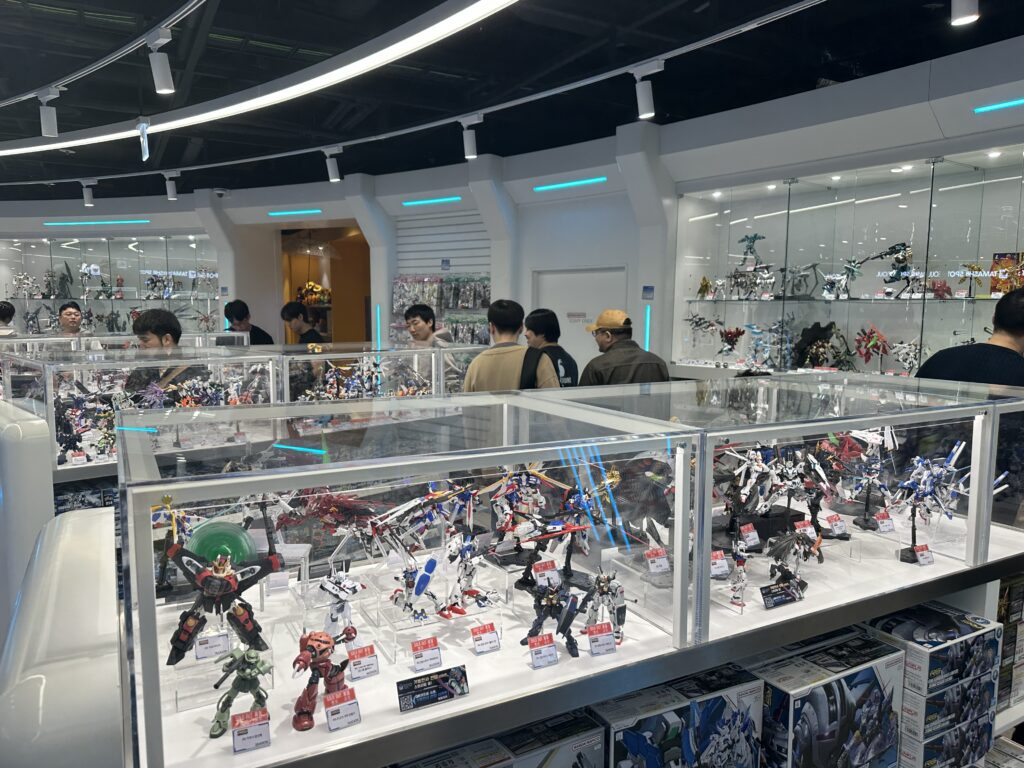
Many hobbyists want more than simply following instructions or assembling predefined designs. They seek opportunities to exercise their imagination and creative ownership.
Interestingly, this doesn’t necessarily mean creating something from scratch.
Rather, they want to “feel creative.”
Hence, diverse options, customizable variations, and expandable components were particularly appealing because they offered room for personal interpretation and experimentation.
This points to a deeper aspiration: people don’t necessarily want to become artists, but they want to experience the joy of feeling like an artist.
💡 A Final Thought
What connects these emerging themes is the growing value of the experience of making—not merely the finished product.
In a world where AI can generate almost anything in seconds, perhaps what becomes increasingly precious is the time, effort, imagination, and personal touch we invest in creating something ourselves.
And customized keycap rings turned out to be great souvenirs for our international partners and clients!
#ConsumerInsights #HobbyCulture #ConsumerTrends #MarketResearch #Sentipl #Korea