By Tracy Shim
Chinese games are becoming an increasingly important part of South Korea’s gaming market. Titles such as Genshin Impact and Honkai: Star Rail from HoYoverse, along with Wuthering Waves from Kuro Games, have attracted attention for their high production quality and distinctive gameplay. What makes these games interesting is not simply their impressive graphics or technology. They are finding ways to bring the enjoyment of playing with favorite characters into everyday life, building connections with Korean players that go beyond the games themselves.
South Korea has a long history of PC online games and MMORPGs, where competition and character progression have been central to the gaming experience. Building stronger characters, completing difficult challenges, and competing with other players have long been important parts of Korean gaming culture. At the same time, Korea has an established community of fans who enjoy Japanese anime, RPGs, and character collection games. For Korean players, the satisfaction of improving their skills and achieving goals is just as familiar as the pleasure of becoming attached to favorite characters and fictional worlds. Chinese anime-style games, often referred to as subculture games in Korea, are bringing these two kinds of enjoyment together.
One of the main attractions of these games is that players can do more than simply collect appealing characters. They can get to know them better through gameplay. Characters in Genshin Impact and Wuthering Waves have their own backgrounds, personalities, voices, and visual designs. Their individual traits are also reflected in how they move and fight. Players learn about characters through the story and experience their unique abilities by controlling them directly. A character who first catches someone’s attention through their appearance or story can become even more special as players explore the world and take on challenges together.
This attachment can also motivate players to engage more deeply with the game. In RPGs, one reason for developing characters is to defeat stronger enemies or overcome difficult challenges. But when players become attached to a particular character, they may spend more time and effort learning how to use that character effectively. They study combat systems, compare equipment and abilities, and build teams that work well with their favorite character. Even if a character is not the strongest option, players may continue investing in them and feel a special sense of satisfaction when they overcome difficult challenges together. Making characters stronger can be a goal in itself, but achieving more with a favorite character can be just as rewarding.
Of course, the pleasure of collecting and developing favorite characters is not unique to Chinese games. It has long been part of Japanese character collection games and Korean subculture games as well. What HoYoverse and Kuro Games have done is combine this familiar appeal with high-quality 3D graphics and different styles of gameplay. In Genshin Impact, players can explore a vast open world with their favorite characters. Honkai: Star Rail offers strategic battles built around character abilities and team combinations. Wuthering Waves focuses on fast, precise combat, where players must dodge and counter enemy attacks at the right moment. Each game offers a different kind of enjoyment, but they all give players opportunities to take on new challenges with characters they care about.
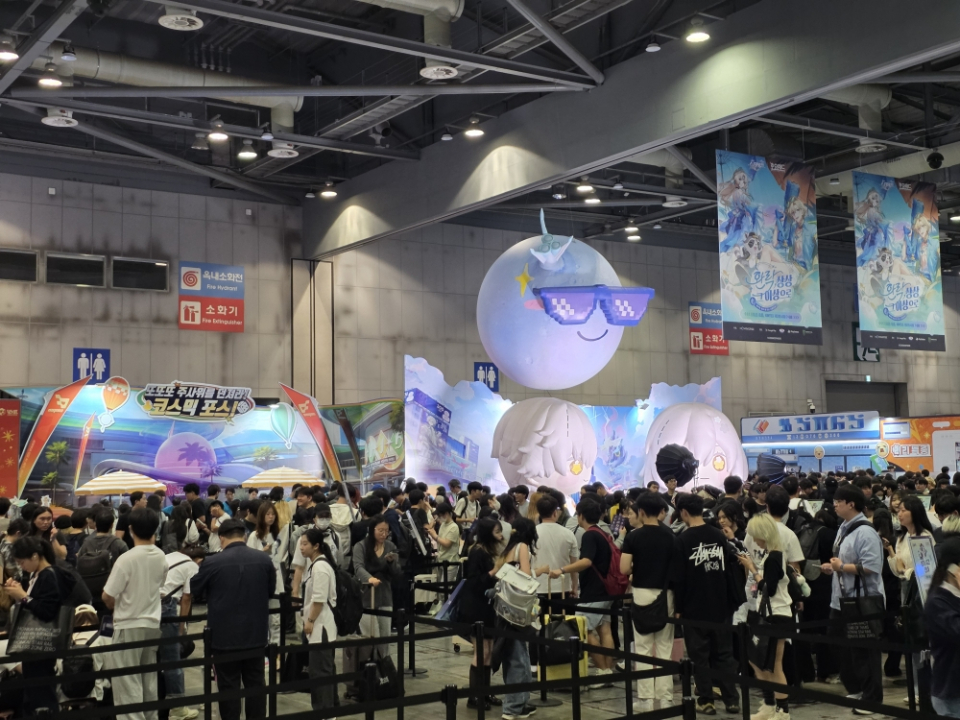
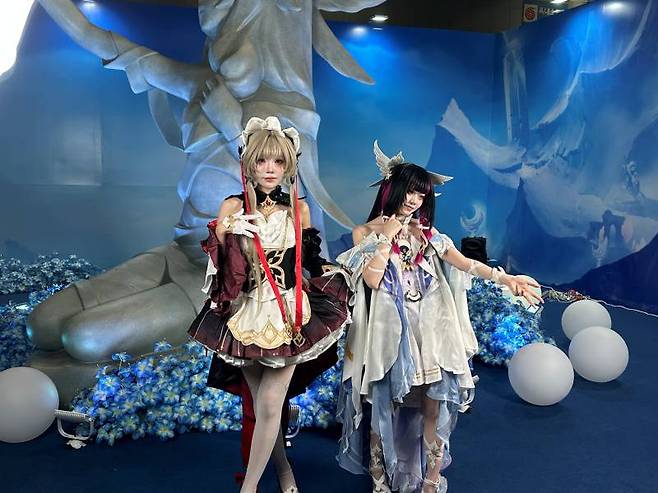
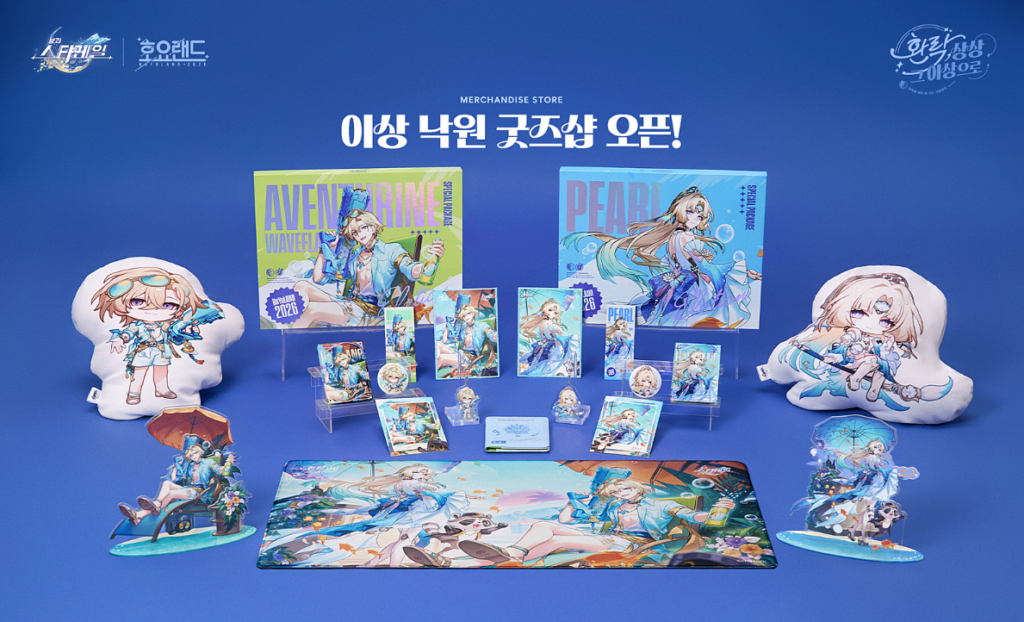
The attachment built through these experiences can also extend beyond the screen. One example is HoYoLAND, an offline fan event organized by HoYoverse in South Korea. First held in 2024, the event has continued to bring Korean fans together and attracted strong interest again in 2026. The 2026 event welcomed 34,000 visitors, with fans taking part in activities such as making keychains and tote bags featuring their favorite game characters. For fans, HoYoLAND offers an opportunity to experience the characters and worlds they love in real life. By creating their own merchandise and spending time with people who share their interests, they can enjoy their favorite games in a different way.
This shows that a player’s love for a game is not always measured by how much time they spend playing it. Some players log in every day to focus on combat and character development, while others may find greater enjoyment in collecting merchandise or attending fan events. When game characters become part of what people enjoy in their everyday lives, there are more ways to engage with the game. For game companies, this also creates opportunities to maintain relationships with players through offline events, merchandise, and fan activities.
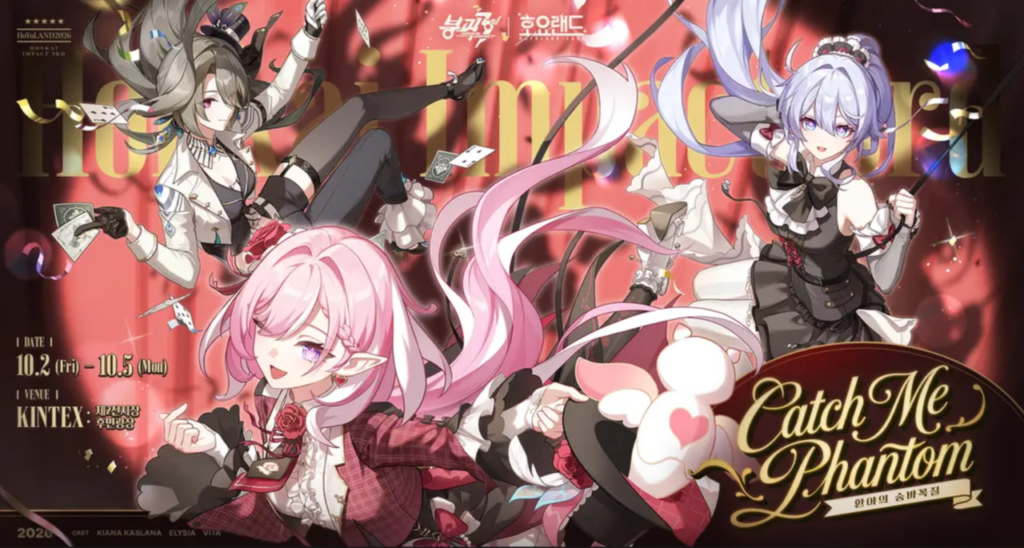
To keep this interest alive, however, game companies need to offer fresh experiences on a regular basis. HoYoverse and Kuro Games introduce new characters, stories, locations, and challenges through regular content updates. Korean voice acting and text localization also help local players understand and connect with the characters and their worlds. Players look forward to new stories, discover new characters, and take on fresh challenges with their existing favorites. Each update gives them another reason to return to a familiar world and find something new to enjoy. Creating a great game is important, but giving players reasons to keep enjoying it is just as essential.
However, emotional attachment to characters does not always lead to positive experiences. A major part of these games’ business model is the gacha system, where players use in-game currency or spend real money for a chance to obtain new characters. Waiting for a favorite character to become available and saving resources in advance can be exciting. But that excitement can turn into pressure when players need to spend more money than expected to get the character they want. For players to maintain their enthusiasm over time, the time and money they invest should not become an excessive burden.
The growing popularity of Chinese subculture games in Korea does not necessarily mean that Korean gamers’ tastes have completely changed. Rather, these games have found a way to bring together different kinds of enjoyment that Korean players have valued for years. HoYoverse and Kuro Games combine emotional attachment to characters with the satisfaction of achieving goals through engaging gameplay. They also extend these experiences beyond the screen through new content and offline events. The opportunity to achieve more with favorite characters and continue enjoying those connections in everyday life is an important reason why these games are winning over Korean players.
Key Takeaways
- Favorite characters can motivate players to engage more deeply with games.
Korean gamers enjoy both achieving goals and building emotional connections with characters. Chinese subculture games bring these two motivations together, encouraging players to learn new skills and take on difficult challenges with their favorite characters.
- Emotional attachment to characters extends beyond the game itself.
The enjoyment of developing characters and exploring virtual worlds can continue through merchandise collections and offline fan events. Games are becoming more than something people play. They are entertainment experiences that can become part of everyday life.
- Keeping players engaged requires more than great characters and gameplay.
New characters, stories, and regular updates give players reasons to keep coming back. However, excessive spending pressure can turn emotional attachment into frustration. For long-term success, game companies need to make sure that the time and money players invest continue to feel worthwhile.