By Tracy Shim
The evolution of K-beauty reflects a broader transformation in South Korean society, where meritocratic and neoliberal values have redefined beauty as a form of social capital. Individual effort in Korea now extends beyond academic and professional achievement to include the management of physical appearance, which functions as a visible marker of discipline, self-regulation, and competitiveness. Within this framework, beauty is no longer perceived as superficial, but as a strategic investment with tangible social and economic returns. This is underscored by recent survey data indicating that 66% of young Korean job seekers engage in beauty practices to enhance employability.
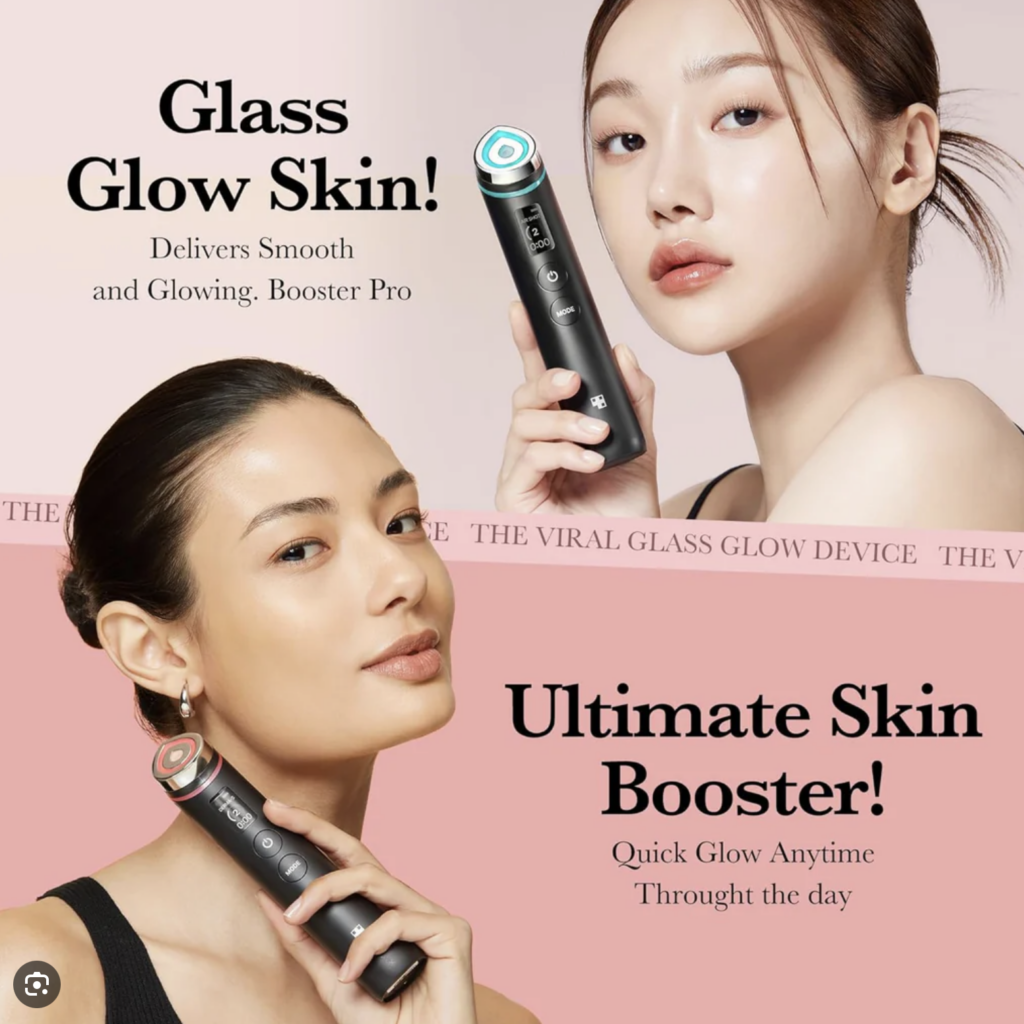
This logic is particularly evident among Gen Z consumers, who increasingly adopt a “prejuvenation” mindset—prioritizing the proactive maintenance of appearance over reactive anti-aging interventions. Driven by the ‘slow-aging’ trend, the home beauty device market is now worth trillions of won. This growth reflects a shift where consumers prioritize efficient self-optimization. High-end devices are reframed not as discretionary luxuries but as rational, long-term investments that reduce reliance on recurring clinical treatments. These consumers, often described as “skintellectuals,” demonstrate high levels of literacy, critically evaluating ingredients, clinical evidence, and device efficacy. As a result, skincare routines are transformed into performance-oriented systems grounded in informed decision-making.
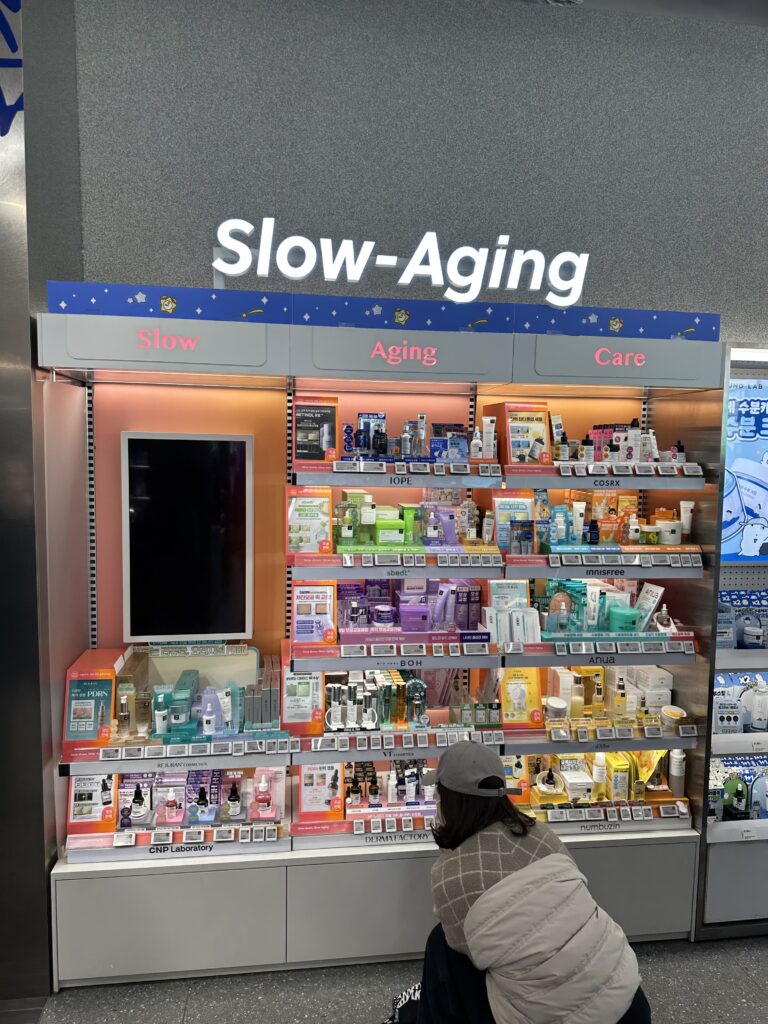
At the same time, Korean beauty ideals emphasize what may be described as “effortless perfection,” which refers to a natural refinement achieved without visible exertion. This aesthetic paradox depends on intensive yet concealed labor: multi-step routines, long-term skin management, and disciplined self-care practices are rendered invisible beneath a polished and minimal exterior. In this context, the absence of visible effort itself becomes a signal of control, refinement, and social competence. This pursuit of hidden discipline naturally extends from topical applications to the optimization of the body’s internal state.
The concept of “inner beauty” further expands this paradigm by positioning the skin as an index of overall health. Beauty practices increasingly integrate topical treatments with nutrition, supplementation, and lifestyle optimization, including the use of probiotics, collagen, and wellness-oriented routines. Consequently, beauty becomes an ongoing project of holistic self-management, aligning external appearance with internal physiological balance. To navigate this complex intersection of health and aesthetics, modern consumers rely on precise information to validate their choices.
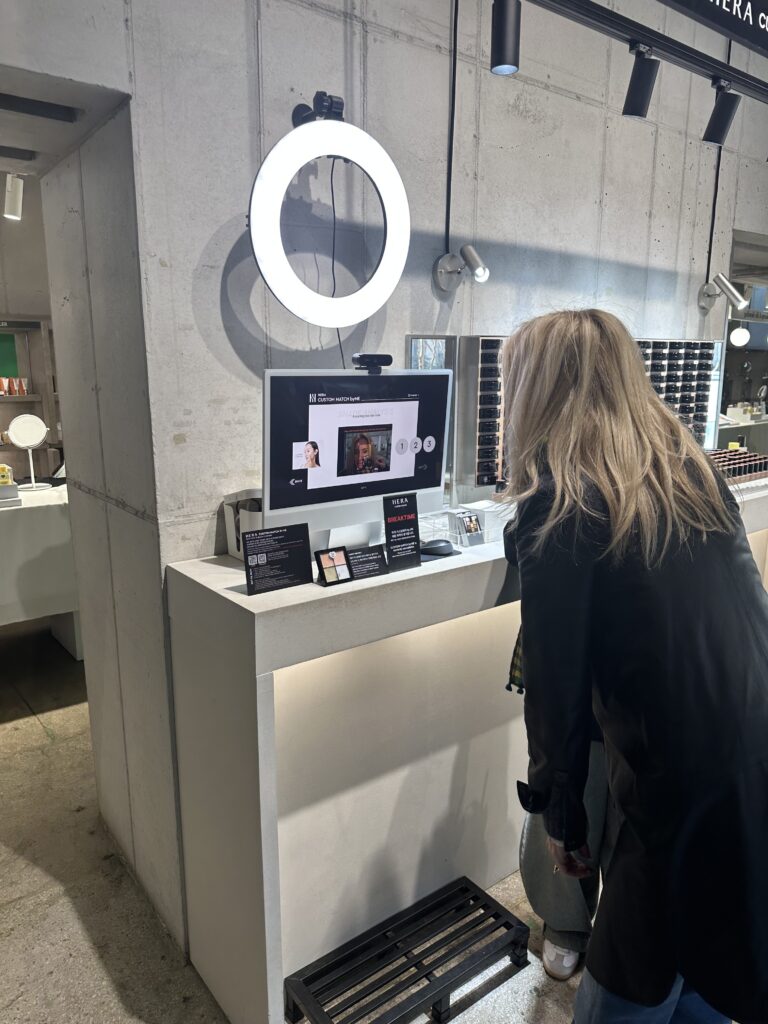
This explains why Korean consumers are distinguished by their data-driven approach to beauty. Digital platforms such as Hwahae and GlowPick play a central role in this ecosystem, offering ingredient transparency and crowdsourced evaluations tailored to specific skin types. These tools enable users to assess product efficacy, avoid harmful substances, and verify marketing claims, thereby reducing reliance on brand-driven consumption. This heightened level of beauty literacy supports the coexistence of both complex, multi-step regimens and “skip-care” minimalism, as consumers strategically curate routines centered on high-impact ingredients. As consumers become increasingly savvy in analyzing both biological and chemical data, their demands have shifted toward professional-grade efficacy that can be seamlessly accessed at home.
Building on that demand, the boundary between dermatology and cosmetic aesthetics is rapidly dissolving. Medical-grade technologies—including high-intensity focused ultrasound (HIFU) and radiofrequency (RF) devices—are increasingly repackaged as consumer-facing solutions, enabling continuous, non-invasive appearance management. Aesthetic clinics are evolving into hybrid spaces that integrate healthcare, retail, and experiential services, while home-use devices extend professional-grade treatments into everyday routines. This convergence has given rise to a new industry model: a full-stack aesthetic ecosystem that integrates clinical procedures, consumer devices, and personalized data.
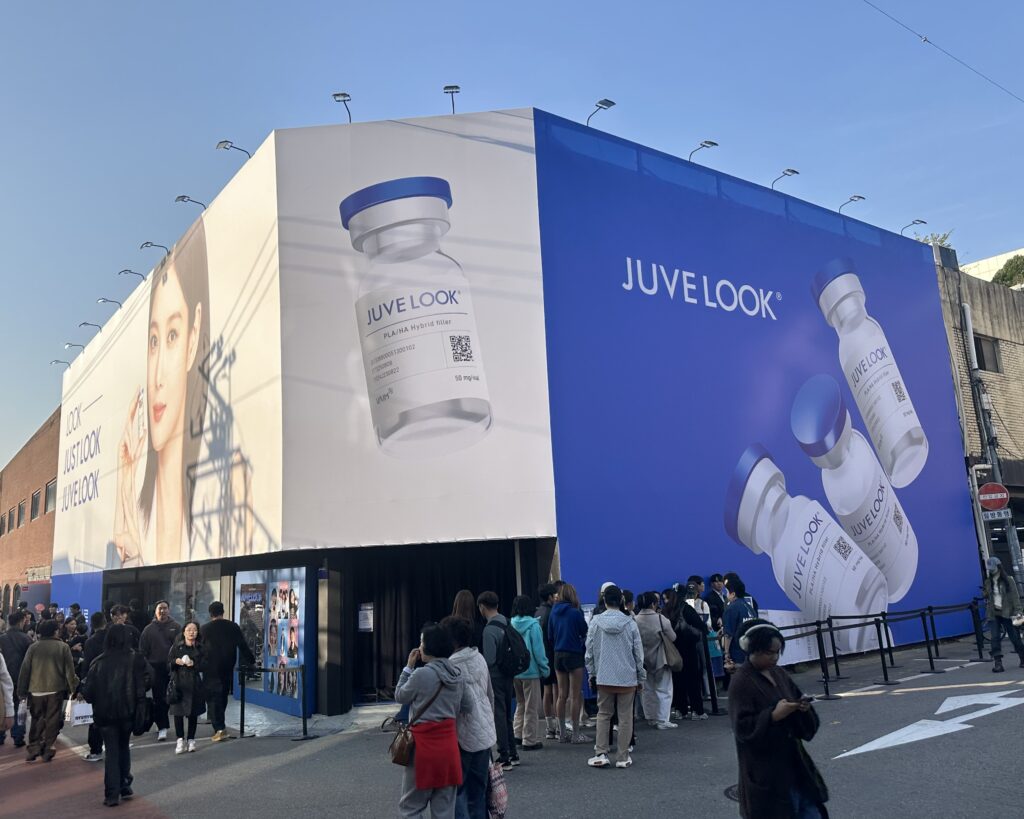
According to a report by Samil PwC, the Korean beauty device market has grown twentyfold over the past decade. Reflecting this trajectory, APR recently reported that cumulative global sales of its Medicube Age-R devices have surpassed six million units.
Ultimately, K-beauty is no longer confined to cosmetics. It has evolved into a comprehensive system of technologically mediated self-optimization, in which appearance, health, and data converge. As this model continues to advance, South Korea is positioned not only to lead in product innovation, but also to export a new global paradigm. In this paradigm, beauty is understood as a continuous, technology-enabled practice of enhancing and maintaining human potential.
<Key Takeaways: The New Paradigm of K-Beauty>
- Beauty is a strategic asset, not a cosmetic choice
In South Korea, physical appearance is now a form of social capital. Brands must move beyond “looking good” and position products as tools for self-regulation and professional competitiveness. Consumers do not just buy a product. They invest in their own social value.
- Efficiency-driven self-optimization is the new standard
The rise of “prejuvenation” reflects a shift toward proactive, long-term maintenance. Marketing should focus on rational investment rather than emotional appeal. High-end devices are now seen as logical alternatives that reduce the cost and time of frequent clinical visits.
- Performance speaks louder than storytelling
Today’s “skintellectuals” prioritize clinical evidence over brand narratives. They rely on verifiable data and crowdsourced transparency to make informed decisions. To win this audience, brands must provide precise, performance-oriented proof of efficacy.
- Invisible labor must lead to effortless perfection
The Korean aesthetic ideal is to achieve perfection without visible exertion. Brands should manage complex routines behind the scenes while offering consumers a streamlined experience. The goal is to deliver a polished, “effortless” result through highly sophisticated systems.
- The future lies in a full-stack aesthetic ecosystem
K-beauty is evolving into a system where dermatology, consumer tech, and personalized data converge. A brand’s strength no longer comes from a single product but from a technology-enabled ecosystem that integrates professional-grade efficacy into everyday life.