By Tracy Shim
There was a time when anything labeled “Korean” was easily dismissed as old-fashioned or behind the times. Products rooted in traditional design were largely seen as souvenirs for tourists, and a T-shirt with an unfamiliar foreign phrase felt far more stylish than one printed in Hangul, the Korean writing system.
That perception has gradually changed. Hangul typography, reinterpreted as a graphic element rather than a symbol of identity, began appearing naturally in fashion. Accessories incorporating mother-of-pearl or traditional knotting techniques started to gain traction among younger consumers. A similar shift emerged in food culture. Cakes and macarons that once dominated social media feeds slowly gave way to “yakgwa”, a traditional Korean honey cookie, along with other traditional sweets and Korean teas.
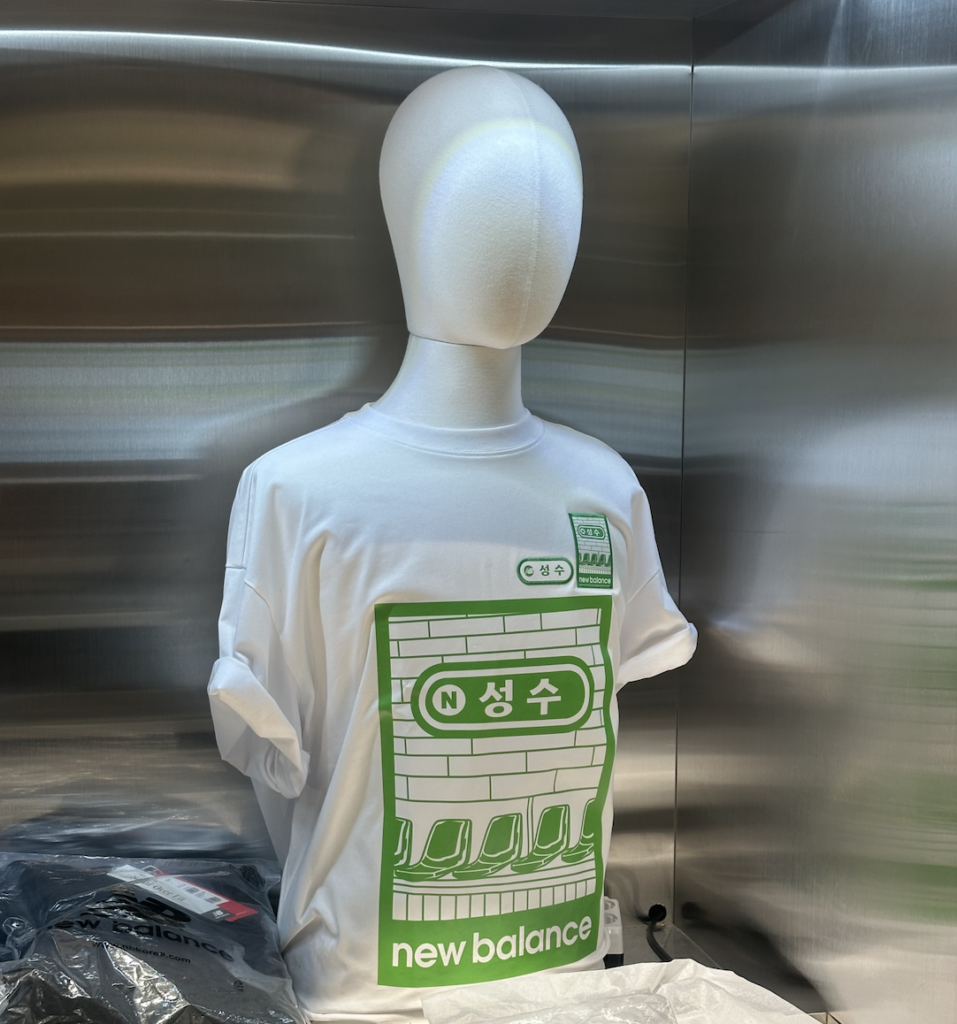
Young dessert shop owners play a key role in this transition. Rather than presenting Korean desserts as heritage foods, they reframe these through visuals and atmospheres suited to contemporary media. With restrained sweetness and an understated aesthetic, these desserts proved just as visually compelling on social platforms. This movement gives rise to the term “halmae ipmat,” loosely translated as “grandma taste,” which describes a preference for understated, less sugary flavors. While the phrase literally refers to older generations’ tastes, in practice it reflects an ease with traditional preferences without the stigma of being outdated. In this sense, the term functions as a cultural buffer that lowers the emotional barrier to choosing tradition.
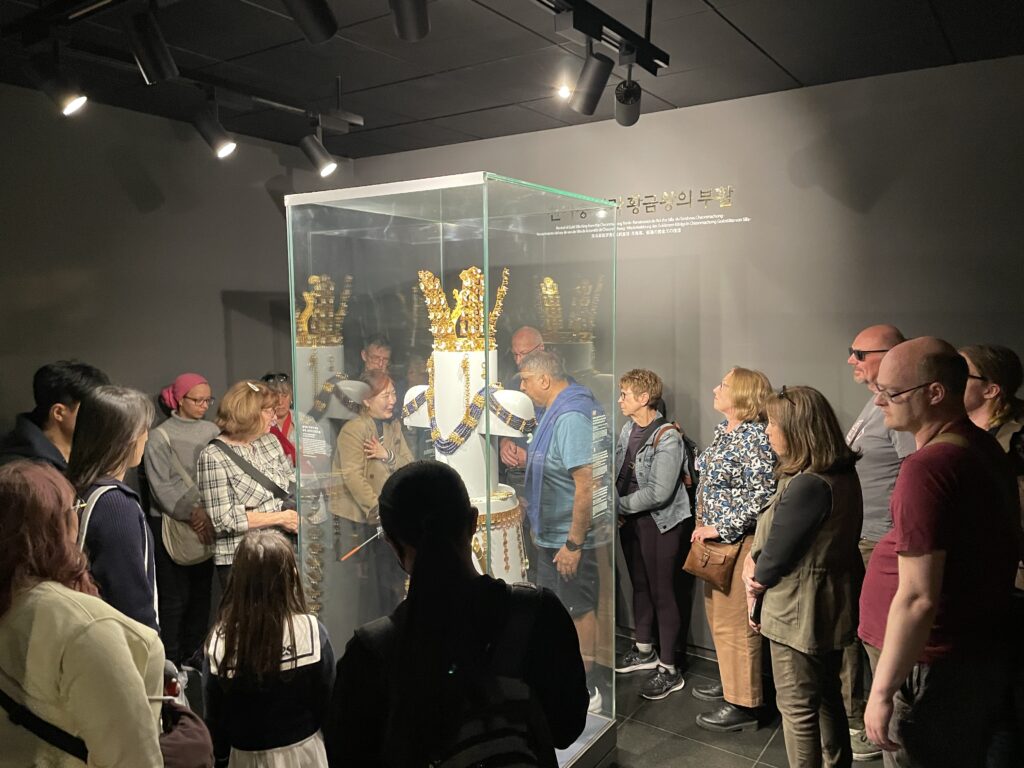
Institutional spaces also contribute to the spread of this sensibility. The National Museum of Korea plays a particularly visible role. In 2021, its exhibition ‘The Room of Quiet Contemplation’ presented only two National Treasure Buddhist statues. Low lighting and a circulation design encouraged visitors to linger. Rather than focusing on explanation, the exhibition emphasized presence and experience. For a generation accustomed to information overload, the absence of excessive interpretation felt refreshing. The space resonated naturally with Gen Z values around mindfulness, wellness, and slow living. It helped reposition the museum from a place of study to a destination people actively wanted to visit.
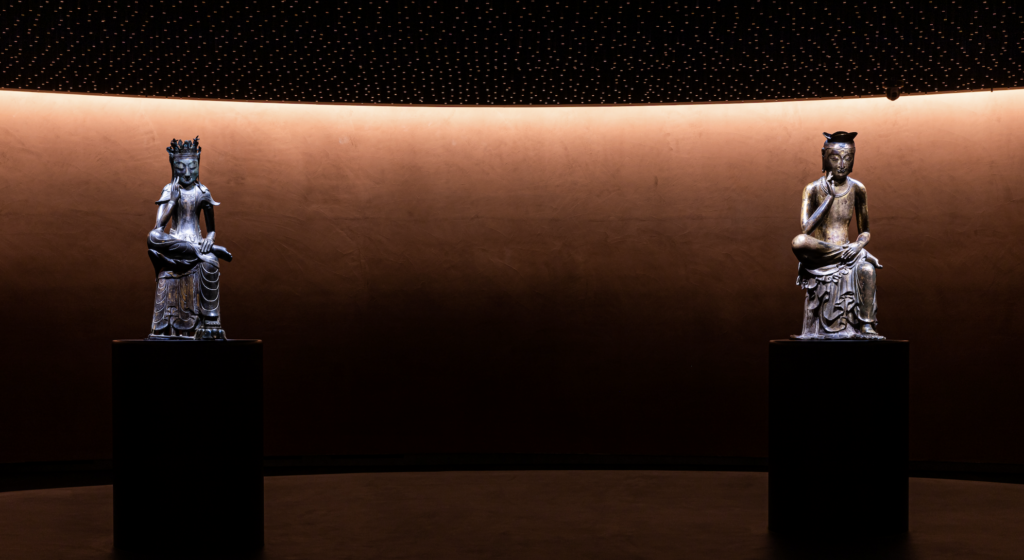
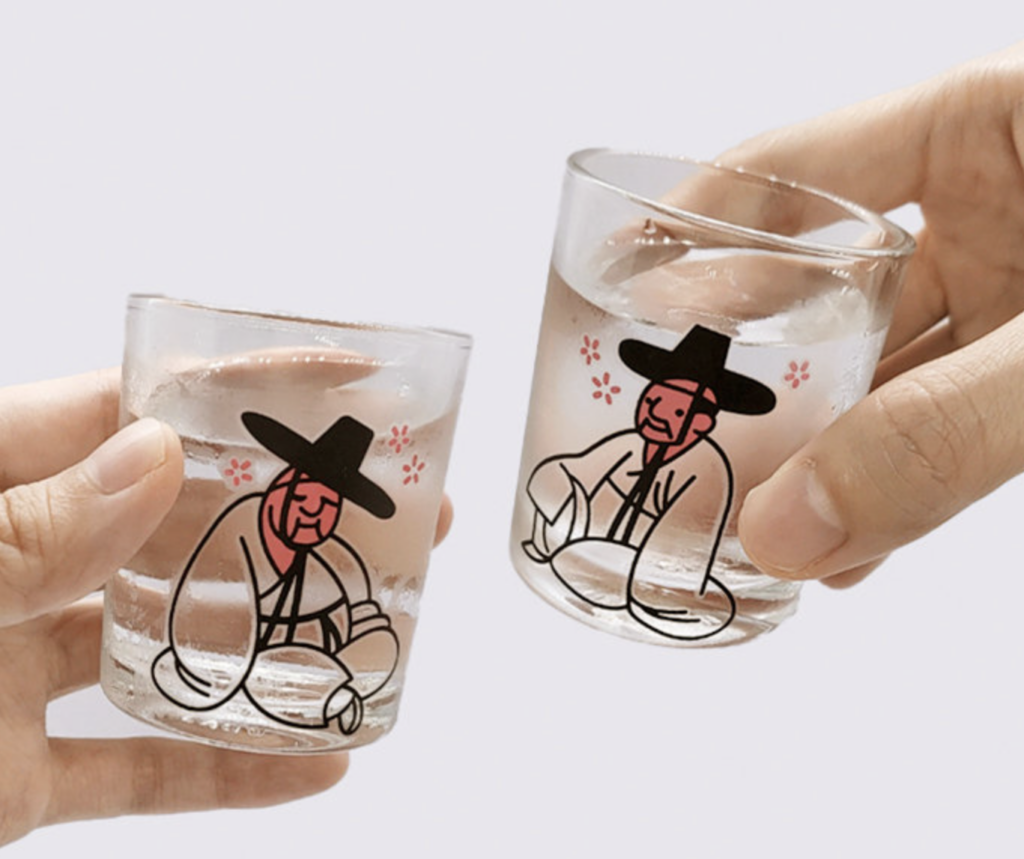
In 2025, the National Museum of Korea recorded approximately 6.5 million visitors, the highest annual figure in its history. Because the museum has maintained free admission for years, detailed demographic breakdowns are limited. That said, multiple qualitative observations suggest a clear rise in younger visitors. This shift was reinforced not only through exhibitions, but also through the museum’s merchandise strategy, officially branded as MU:DS. Products such as heat-reactive soju glasses, where a scholar’s face flushes red when cold liquor is poured, or incense sets shaped like a “buttumak,” a traditional Korean kitchen hearth, became items people lined up to purchase. Even a collaboration with Korea’s national baseball team, featuring traditional patterns on uniforms, resulted in products that sold out almost immediately.
Then, when does “Korean” stop feeling outdated and begin to register as something young consumers could embrace, and even see as globally relevant? A clear inflection point appears around 2019, when BTS expanded their world tours and the movie ‘Parasite’ won the Palme d’Or at Cannes. Around this time, perceptions of Korean cultural elements began to shift. They were not yet widely labeled as “cool,” but they had become options young consumers could choose without hesitation.
Behind this shift lies the global success of K-pop and K-dramas. What matters is not simply that Korean content is popular overseas, but that this success is gradually internalized within Korea itself. Korean aesthetics and narratives are no longer seen as outputs that need to be adjusted to fit global standards. Instead, they begin to be understood as capable of functioning as global standards per se.
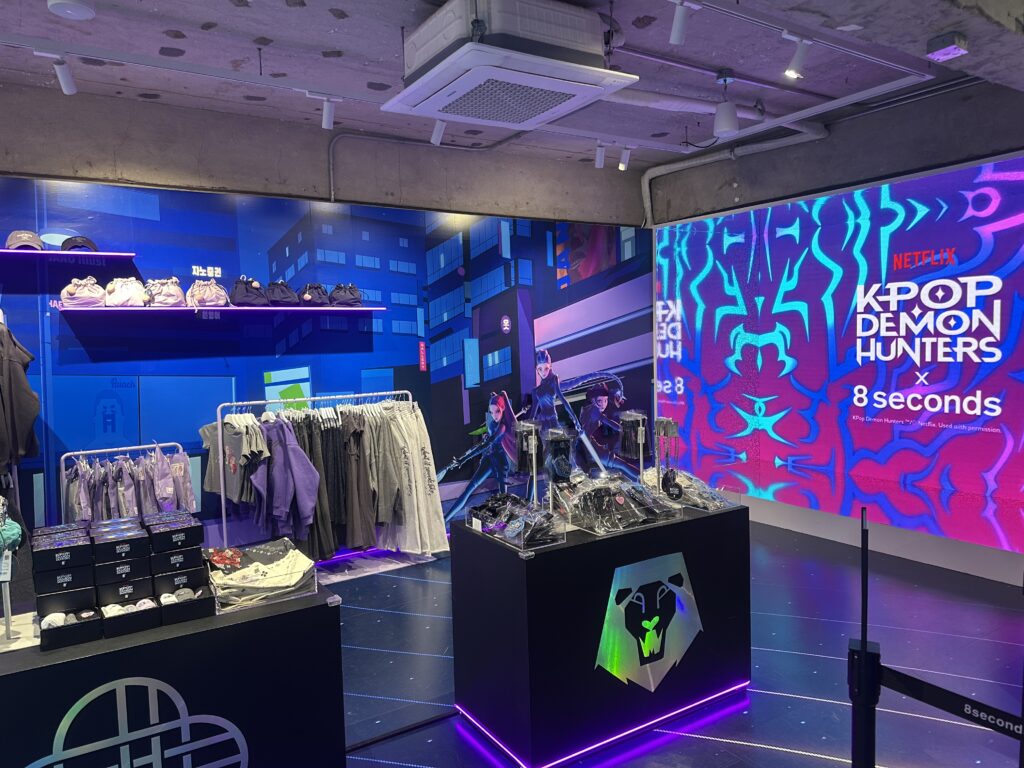
Around 2022, a more noticeable shift in attitude began to take shape among Gen Z. As global aesthetics became increasingly familiar after the pandemic, the pressure to look like a foreign brand or emulate international styles visibly weakened. From this point on, “cool” was no longer defined by proximity to overseas trends. Instead, it came to be understood as a combination of novelty, identity, and narrative context. Korean elements were no longer obstacles to overcome, but resources for differentiation, and younger consumers began expressing them openly rather than masking them. This mindset spread across categories, from food and merchandise to exhibitions and fashion, reinforcing the idea that Korean tradition could resonate not only with younger domestic audiences but also within global cultural contexts. In this context, the global success of K-Pop Demon Hunters in 2025 further amplified this shift.
Preserving tradition is no longer seen as maintaining old forms exactly as they were. Instead, a broader consensus is forming around the idea that tradition survives by being continually translated into the language of its time, without losing its essence. What was once criticized as distortion is now increasingly viewed as a way of sustaining and extending cultural vitality. Tradition, in this sense, is no longer something to be protected as a fixed form. It is a cultural asset that endures only when it is repeatedly appreciated and consumed within everyday life.
Key Takeaways
- Tradition should be designed to be consumed, not explained
When tradition is over-explained or overly emphasized, it tends to feel heavy again. For today’s consumers, tradition resonates most when it is designed to be consumed, rather than explained or justified. - Everyday relevance matters more than reverence
The most effective way to respect tradition is not by elevating it, but by integrating it into daily choices. Younger audiences want to consume tradition, not study it. - Mimicking global aesthetics is no longer a safe strategy
Since 2022, overly globalized visuals risk feeling anonymous. Differentiation is now made by how clearly a brand expresses its original character, not by how closely it resembles others. - Let younger generations lead the translation
Tradition survives when it is reinterpreted by those who actively shape contemporary culture. In many cases, allowing experimentation sustains tradition more effectively than trying to preserve it unchanged. - Tradition must function as a system, not a campaign
Short-term collaborations or events do not last long. Tradition becomes a real brand asset when it is used consistently across products, spaces, and communication.