By Tracy Shim
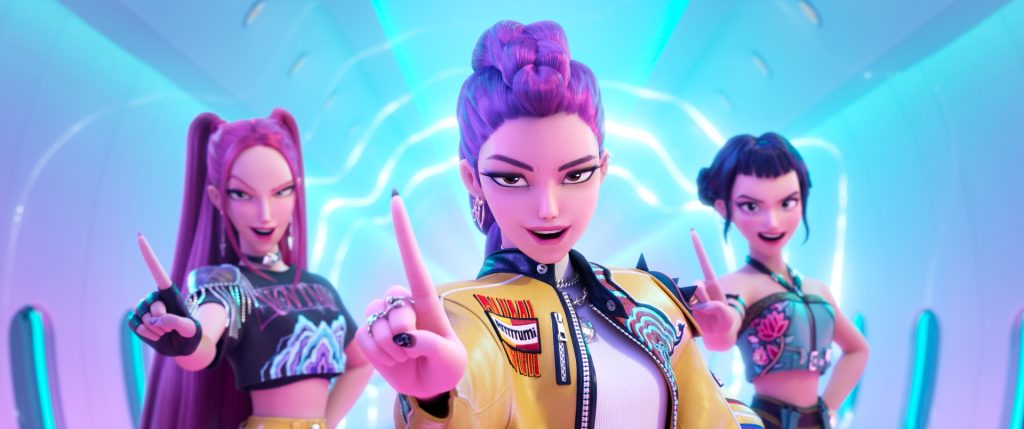
As true digital natives, Gen Z does not define “real” by physical presence. For them, reality lies in emotional truth, narrative depth, and the sense of connection – even if the characters aren’t human. Nowhere is this more evident than in the explosive popularity of KPOP DEMON HUNTERS. The Netflix animated series fuses idol culture, fantasy action, and K-pop performance into a bold new genre of fandom experience.
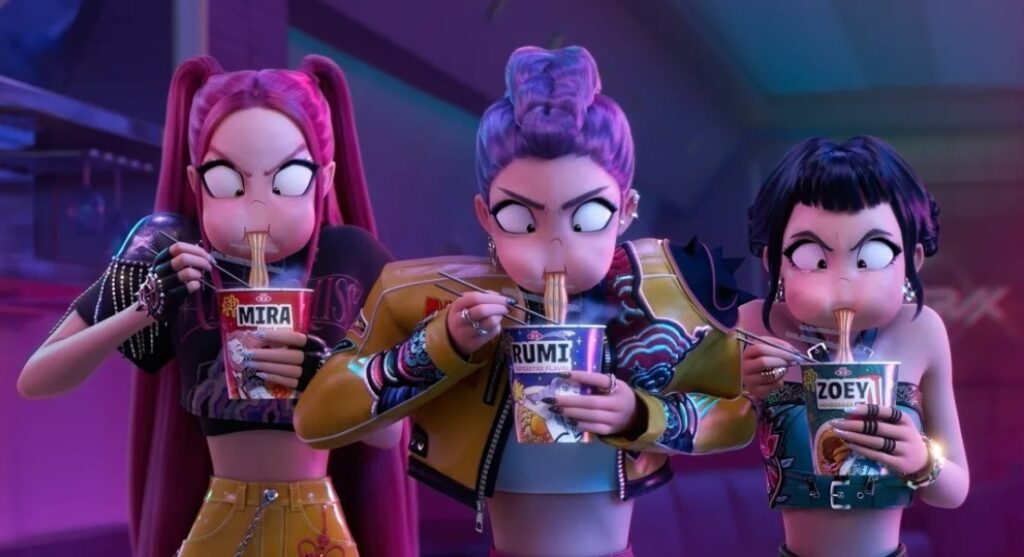
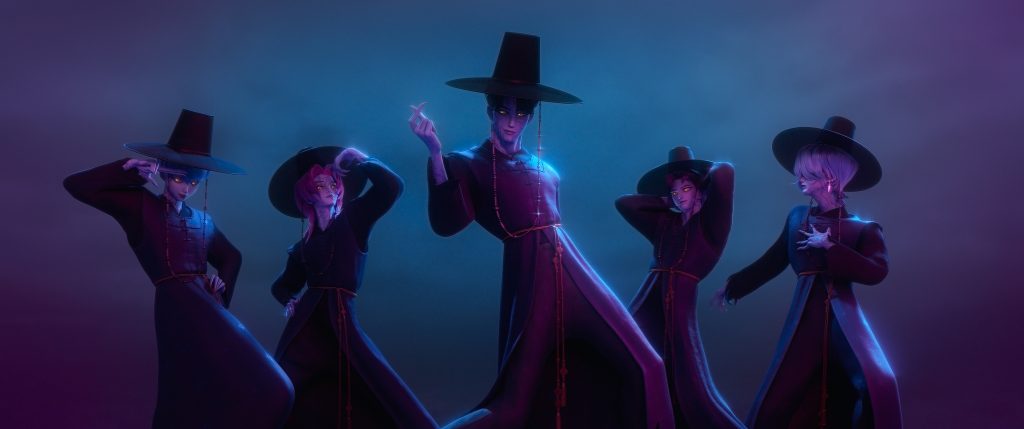
The show follows Huntrix, a virtual girl group who juggle their life as K-pop idols with a secret mission as demon hunters. and Saja Boys, their dark and powerful counterparts. The story might seem unrealistic, but that’s exactly what makes it exciting. For Gen Z, this kind of exaggerated fantasy doesn’t break immersion – it draws them in even more. The narrative speaks directly to Gen Z’s emotional world, exploring themes like identity conflict, personal trauma, and the search for belonging. The fantasy is loud, but the emotions are real.
What sets Gen Z apart is how naturally they accept virtual characters as emotionally real. Idols don’t need to exist physically to feel authentic. They embrace virtual groups like Huntrix and PLAVE with the same energy they give to traditional K-pop stars. Even when the voice actors or motion-capture performers are revealed, the fandom’s focus remains on the characters themselves. For them, there is no contradiction between fiction and fandom – only connection.
This marks a clear departure from earlier generations, who often drew clear lines between real people and fictional ones. For them, knowing a character isn’t real can make it harder to fully engage with the story. For Gen Z, it’s the opposite – it enhances the experience. What matters is not whether a character exists in the traditional sense, but how the character makes them feel.
This acceptance extends to imperfections too. Animation glitches, awkward expressions, or sync issues aren’t seen as flaws – they are part of the charm. Fans turn these moments into memes, inside jokes, and cultural artifacts. These quirks don’t break immersion – they signal life, personality and authenticity.
Because Gen Z sees virtual characters as “real” in their own way, they don’t just watch – they participate. They write fanfiction, create AI-generated fan art, edit TikTok shorts, and even host birthday café events for characters who don’t physically exist. To them, co-creating with virtual idols feels as authentic as engaging with real ones.
For anyone creating content or building a brand, this is a signal worth paying attention to. Gen Z isn’t chasing realism – they’re chasing resonance. They respond to characters and stories that feel emotionally true. If that connection exists, it doesn’t matter whether the character is virtual or human – Gen Z will show up, tune in, and create around it. In a culture where feeling outweighs form, KPOP DEMON HUNTERS is more than entertainment. It’s proof that Gen Z is quietly redefining what it means to be real.