By Daniel Kim
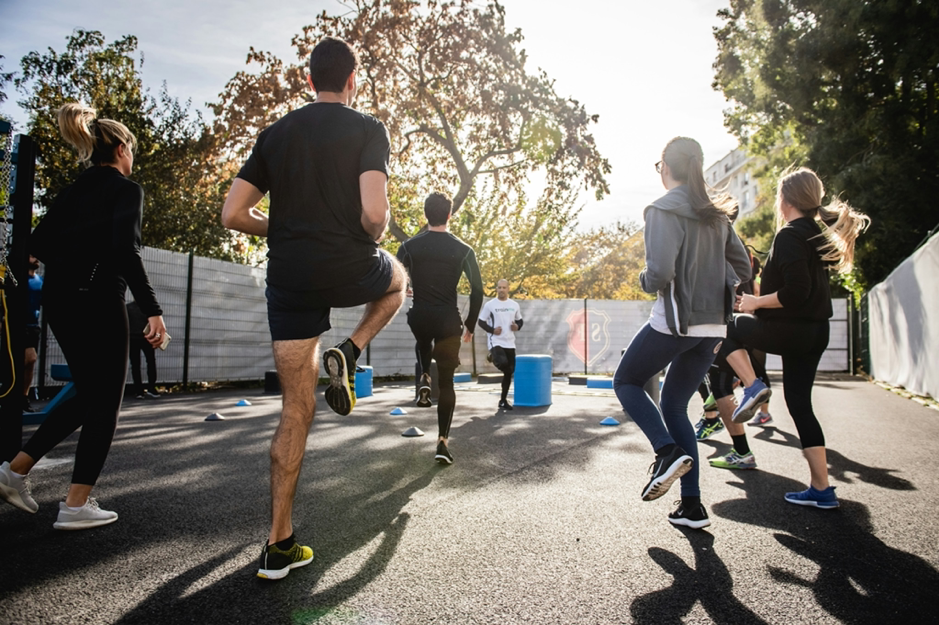
Following the post-Covid boom in golf and tennis, MZ Koreans are now gravitating toward running crews which offer a more accessible and affordable alternative. There is no need for expensive lessons, or the hassle of match-making or reservations. All it takes is a pair of stylish sneakers and trendy sportswear – and you’re already Instagram-worthy. In most running crews, there is a dedicated photographer who snaps your running moments for Instagram.
“Running-core” has emerged as a new fashion trend in Korea as young people mix running gear into their daily looks to show off their sporty, health-conscious vibe. Premium sneakers from brands like Asics, Salomon, and On Running are seeing a surge in sales. Another appeal of running crews is the ease of expanding a social circle – with the added bonus of possibly meeting a date.
After a running crew session, some crew members might enjoy a casual get-together with “chi-maek” (fried chicken with beer), but a growing number of young Koreans are opting for sober gatherings. While many explored wine, whiskey, and craft beer during and after the Covid-19 era, the global trend of “sober curious” is now making a strong impact among young Koreans. According to NielsonIQ, domestic spirits consumption is steadily declining, with a 7% drop compared to the previous year.
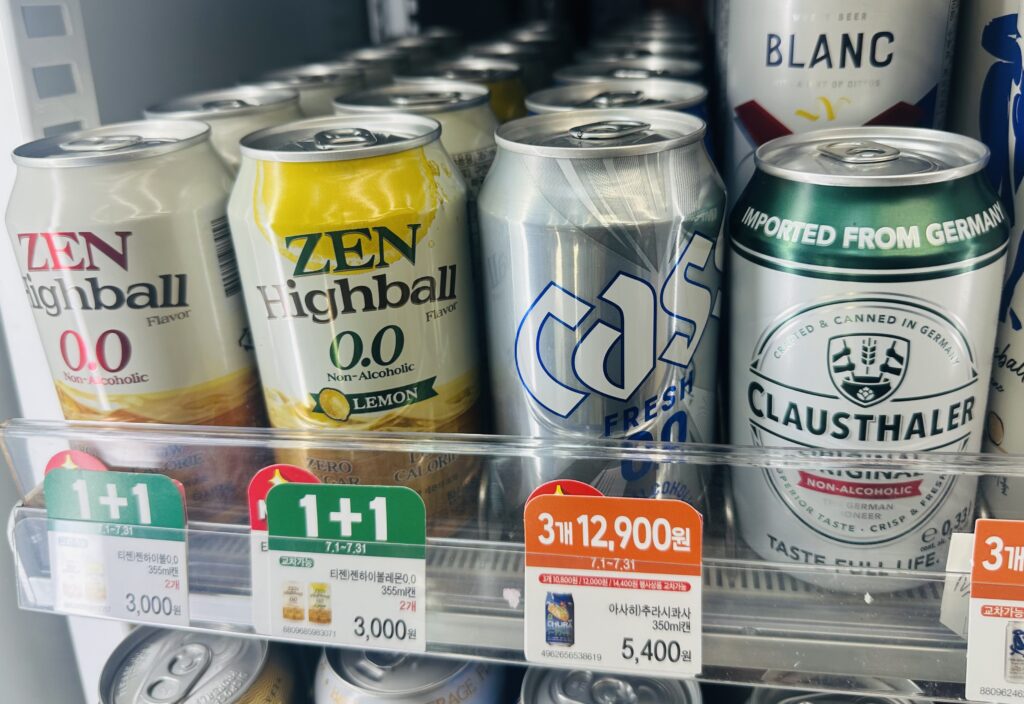
In Korea, alcohol has long played a central role in business dinners, often leaving young employees feeling obliged to join, regardless of their personal preferences. Today, however, non-alcohol beverages offer a way for them to maintain a respectful social distance from their senior colleagues, also aligning with the growing trend toward a health-conscious lifestyle.
In fact, alcohol is no longer seen as essential for young Koreans to socialize with their peers. A case in point is Seoul Morning Coffee Club, which draws stylish young participants to early morning raves at 7 a.m., where they enjoy music and dance – all without a drop of alcohol. Hip cafés such as Camel Café have also become popular post-run hangout spots for morning coffee.
Leading beer brands such as Cass and Hite have launched their zero-alcohol beers, and set up promotional booths at marathon events, targeting MZ consumers. Japanese non-alcohol beers from Asahi and Kirin appear to better suit the tastes of young Koreans, quickly bouncing back from the impact of the ‘No Japan’ boycott a few years ago. Even upscale bars in Kangnam are adapting, offering mocktail and non-alcohol highballs to cater to this growing sober-conscious crowd.