By Daniel Kim
In Kangnam, a daughter attending a top-tier university often borrows her mother’s classic Chanel bag to show off when meeting friends. When the mother buys a Gucci shirt, she will look for a style that she and her daughter both enjoy, so they can share it.
At the heart of luxury consumption in Korea lies a family’s strong desire to elevate their social status amid growing economic inequality. In fact, Koreans have long been accustomed to competition within a rigidly hierarchical society. From a young age, they strive fiercely to gain admission to prestigious universities. After graduation, they face another round of intense competition to land high-paying jobs at top companies such as Samsung and Hyundai.
Therefore, luxury consumption in Korea is often driven more by the desire to conform to norms and expectations tied to one’s social status, rather than by a pursuit of individual style. To navigate this landscape effectively, it is essential to comprehend the hierarchical positioning of different brands within the context of ever-changing trends.
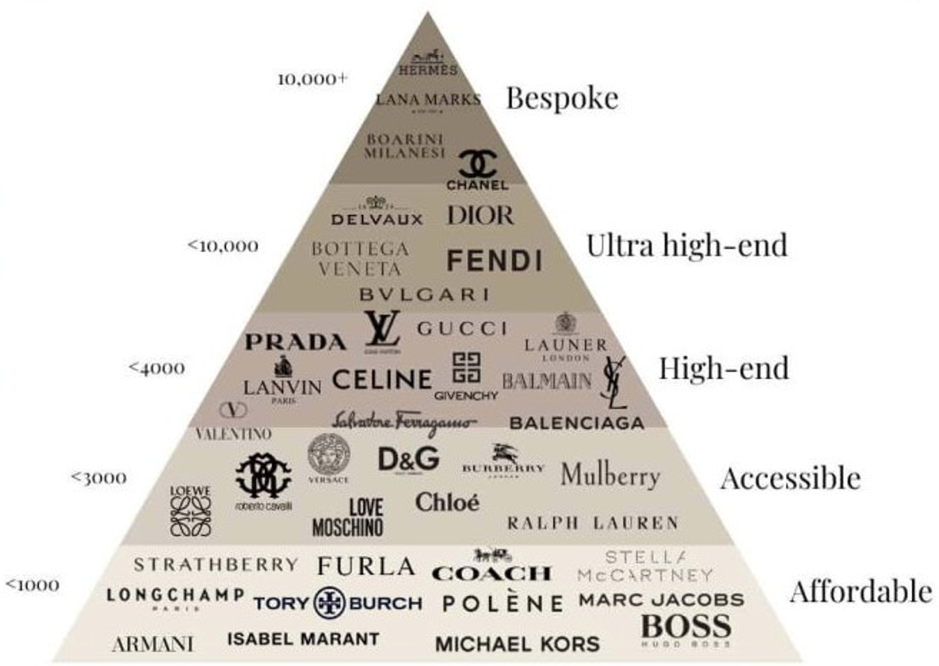
For example, a successful engineer at Samsung takes the time to study the heritage and history of luxury brands in order to offer fashion advice to his wife. Rather than shopping for himself, he would be more inclined to invest in luxury items for his wife and daughter, finding a sense of achievement in the way the family is presented to others.
Compared to foreign nations, luxury consumption in Korea serves more as a way of blending into the appropriate status group subtly, rather than standing out through expressive individuality. As a result, overt logo displays are often avoided, while understated patterns and low-key brand codes are favored. For example, the patterned lining under the sleeves of Dior jackets gained popularity because it could be discreetly folded to reveal the brand only when desired.